
The energy storage sector expresses concern about the possibility of not completing installations before the NextGeneration funds must be returned in 2026, following a year-long wait for the final resolution and administrative delays.


The energy storage sector expresses concern about the possibility of not completing installations before the NextGeneration funds must be returned in 2026, following a year-long wait for the final resolution and administrative delays.
A significant portion of the sector has highlighted the technical expertise and continuity that the current Secretary of Energy’s appointment as Third Vice President and Minister will bring with optimism. They also review the key challenges she will need to address: nuclear energy, auctions, tenders, self-consumption regulations, storage, biogases, among others.
The Council of State of Italy has provisionally suspended a key provision of the Suitable Areas Decree, limiting the ability of Italian regions to impose stricter regulations. The measure, effective until the hearing in February 2025, creates uncertainty in the development and processing of renewable energy projects. Lawyers analyze the ruling in a conversation with Energía Estratégica España.
The Official State Bulletin (BOE) announces the public information of three renewable projects in Toledo, Seville, and Cuenca. These initiatives combine over 600 MW of installed capacity in photovoltaic solar energy and storage systems.
The excess of renewable generation and the lack of clear policies for energy storage are creating uncertainty in the market. Industry experts highlight the urgent need for regulation to ensure the financial viability of new projects and stabilize prices.
According to recent data from Terna, grid connection requests for renewable projects in Italy exceed 300 GW. This phenomenon reflects the pressure of industrial convenience and public planning, notes Alessandro Visalli, who explains that the lack of technical requirements for applications creates virtual grid saturation with a large number of projects unlikely to result in operational plants.
The capacity market promises sustainable income for energy storage in Spain, with its first call scheduled for mid-2025. Luis Marquina, president of AEPIBAL, highlights the key role of Teresa Ribera and the collaborative work between Brussels and Spain to implement this strategic measure.
Spain designs a tax on energy companies but with incentives for decarbonization: reactions and political stances.
Currently, there are 17 GW of batteries requested in Spain, of which only 1 GW is hybridized with renewables. Antonio Delgado Rigal, CEO of AleaSoft, highlights the potential of hybridization to improve the profitability and stability of clean energies.
One by one, the changes introduced by the Final Resolution of this first call for innovative energy storage projects after the appeals, along with the ranking of companies that received the largest allocations.
The growing generation of renewable energy in Europe is driving episodes of negative prices in the electricity market, impacting the profitability and sustainability of generators. A report from ACER and the insights of Antonio Delgado Rigal, CEO of AleaSoft, highlight the challenges and opportunities of this trend.
The decline in PPA prices in Spain and market volatility are leading Alter5 to strengthen its financing proposals in the merchant model. Salvador Carrillo, co-founder of Alter5, explains the leveraging opportunities that allow developers to tackle this uncertain environment with a flexible and digitized debt structure.
NedZero’s Chairman, Jan Vos, points out that insufficient investment in the Dutch electricity grid poses a major obstacle to the growth of renewable energy. Due to regulatory efforts to keep prices low, public institutions underestimated the speed and scale of change required for the energy transition.
“Her negotiating ability will be tested,” says Carlos Martín Graña, who points out flaws in her support for sectors outside the renewable energy field and the industry.
Both executives will drive the company’s growth strategy in renewable energy and its commitment to decarbonization.
Contributions must be socially equitable: the polluter must pay. The EU needs to strengthen its green diplomacy, promote global emissions trading, and advance carbon pricing initiatives.
With more than 560 companies in the market—a 40% increase compared to four years ago—differentiation and retention have become challenging. According to industry insiders, price remains the main factor influencing customer choices. In this context, the growing share of renewables in the energy mix and greater awareness of various contracting options are seen as positive signals.
The FER X Decree, currently under discussion, aims to accelerate Italy’s energy transition toward decarbonization by 2030, promoting financial incentives and administrative simplification in the renewable sector. Francesco Passafiume, Product Manager of PowerSolutions EMEA, points out that the regulation will reduce project processing times, but he warns that the success of the decree depends on its effective implementation and alignment with other regulatory frameworks, such as the Decree on Suitable Areas and the Environmental Law Decree.
With 25 GW of storage solutions applying for grid connection, Spain faces the challenge of accelerating access permits for batteries. The sector is calling for, among other things, progress in capacity auctions, and regional governments are meeting to unify evaluation criteria.
The milestone marks a significant advancement for the country’s energy transition and positions Rolwind as a leader in innovation and sustainability within the energy sector.
Donald Trump’s victory in the U.S. elections raises concerns in the European renewable energy sector, where the pressure to protect the domestic industry could trigger a chain reaction. Experts consulted highlight the potential effects on energy markets and the progress of clean technologies, with implications for the region’s competitiveness in an uncertain context.
The energy storage sector expresses concern about the possibility of not completing installations before the NextGeneration funds must be returned in 2026, following a year-long wait for the final resolution and administrative delays.
A significant portion of the sector has highlighted the technical expertise and continuity that the current Secretary of Energy’s appointment as Third Vice President and Minister will bring with optimism. They also review the key challenges she will need to address: nuclear energy, auctions, tenders, self-consumption regulations, storage, biogases, among others.
The Council of State of Italy has provisionally suspended a key provision of the Suitable Areas Decree, limiting the ability of Italian regions to impose stricter regulations. The measure, effective until the hearing in February 2025, creates uncertainty in the development and processing of renewable energy projects. Lawyers analyze the ruling in a conversation with Energía Estratégica España.
The Official State Bulletin (BOE) announces the public information of three renewable projects in Toledo, Seville, and Cuenca. These initiatives combine over 600 MW of installed capacity in photovoltaic solar energy and storage systems.
The excess of renewable generation and the lack of clear policies for energy storage are creating uncertainty in the market. Industry experts highlight the urgent need for regulation to ensure the financial viability of new projects and stabilize prices.
According to recent data from Terna, grid connection requests for renewable projects in Italy exceed 300 GW. This phenomenon reflects the pressure of industrial convenience and public planning, notes Alessandro Visalli, who explains that the lack of technical requirements for applications creates virtual grid saturation with a large number of projects unlikely to result in operational plants.
The capacity market promises sustainable income for energy storage in Spain, with its first call scheduled for mid-2025. Luis Marquina, president of AEPIBAL, highlights the key role of Teresa Ribera and the collaborative work between Brussels and Spain to implement this strategic measure.
Spain designs a tax on energy companies but with incentives for decarbonization: reactions and political stances.
Currently, there are 17 GW of batteries requested in Spain, of which only 1 GW is hybridized with renewables. Antonio Delgado Rigal, CEO of AleaSoft, highlights the potential of hybridization to improve the profitability and stability of clean energies.
One by one, the changes introduced by the Final Resolution of this first call for innovative energy storage projects after the appeals, along with the ranking of companies that received the largest allocations.
The growing generation of renewable energy in Europe is driving episodes of negative prices in the electricity market, impacting the profitability and sustainability of generators. A report from ACER and the insights of Antonio Delgado Rigal, CEO of AleaSoft, highlight the challenges and opportunities of this trend.
The decline in PPA prices in Spain and market volatility are leading Alter5 to strengthen its financing proposals in the merchant model. Salvador Carrillo, co-founder of Alter5, explains the leveraging opportunities that allow developers to tackle this uncertain environment with a flexible and digitized debt structure.
NedZero’s Chairman, Jan Vos, points out that insufficient investment in the Dutch electricity grid poses a major obstacle to the growth of renewable energy. Due to regulatory efforts to keep prices low, public institutions underestimated the speed and scale of change required for the energy transition.
“Her negotiating ability will be tested,” says Carlos Martín Graña, who points out flaws in her support for sectors outside the renewable energy field and the industry.
Both executives will drive the company’s growth strategy in renewable energy and its commitment to decarbonization.
Contributions must be socially equitable: the polluter must pay. The EU needs to strengthen its green diplomacy, promote global emissions trading, and advance carbon pricing initiatives.
With more than 560 companies in the market—a 40% increase compared to four years ago—differentiation and retention have become challenging. According to industry insiders, price remains the main factor influencing customer choices. In this context, the growing share of renewables in the energy mix and greater awareness of various contracting options are seen as positive signals.
The FER X Decree, currently under discussion, aims to accelerate Italy’s energy transition toward decarbonization by 2030, promoting financial incentives and administrative simplification in the renewable sector. Francesco Passafiume, Product Manager of PowerSolutions EMEA, points out that the regulation will reduce project processing times, but he warns that the success of the decree depends on its effective implementation and alignment with other regulatory frameworks, such as the Decree on Suitable Areas and the Environmental Law Decree.
With 25 GW of storage solutions applying for grid connection, Spain faces the challenge of accelerating access permits for batteries. The sector is calling for, among other things, progress in capacity auctions, and regional governments are meeting to unify evaluation criteria.
The milestone marks a significant advancement for the country’s energy transition and positions Rolwind as a leader in innovation and sustainability within the energy sector.
Donald Trump’s victory in the U.S. elections raises concerns in the European renewable energy sector, where the pressure to protect the domestic industry could trigger a chain reaction. Experts consulted highlight the potential effects on energy markets and the progress of clean technologies, with implications for the region’s competitiveness in an uncertain context.

Select the sector you
want to know more about
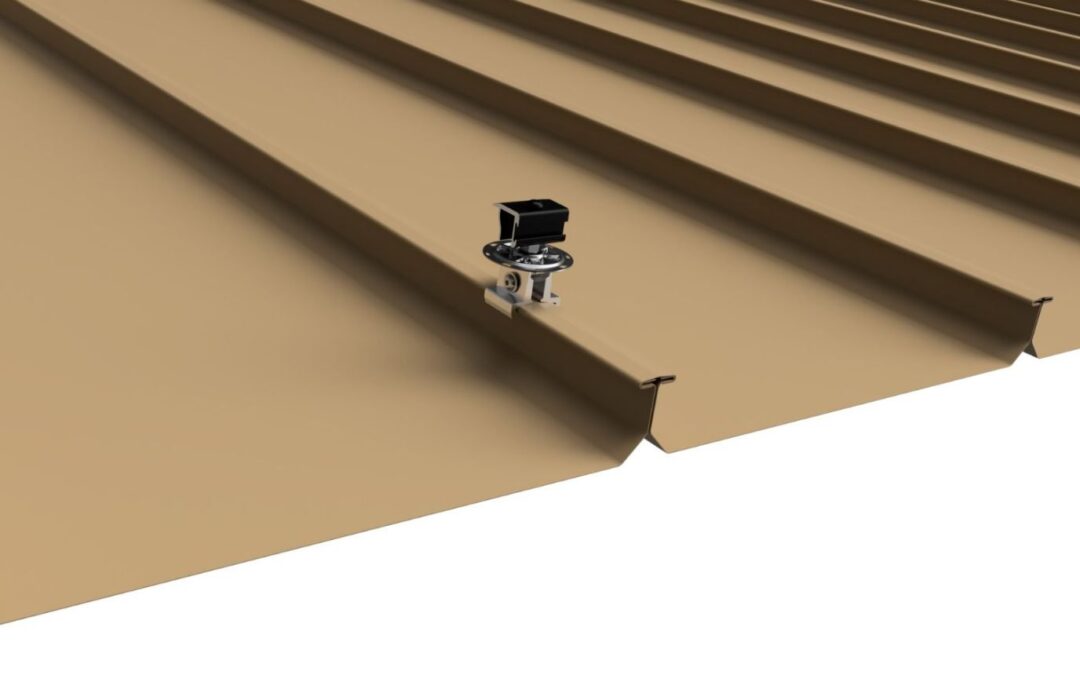
The new S-5-TH™ non-penetrating clamp is designed for solar PV and light-duty attachments on commercial T-profile metal roofing systems.
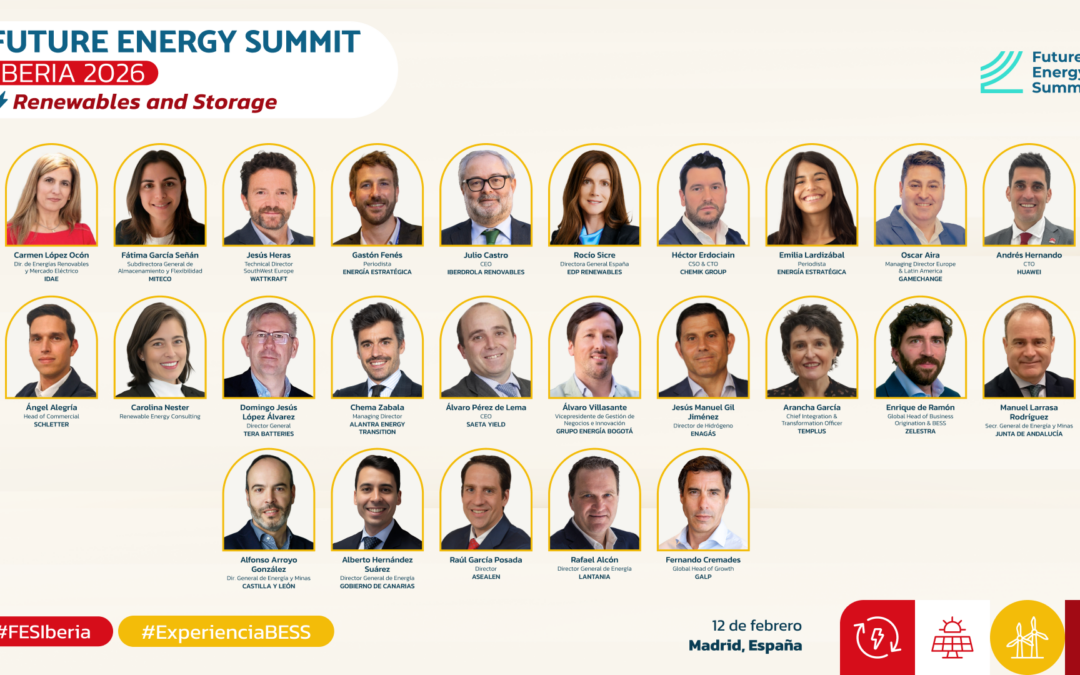
More than 30 senior figures from the public and private sectors will meet in Madrid to debate the strategic challenges of the energy transition, with energy storage at the centre of the agenda.
The Ministry of Mines and Energy has unveiled a draft resolution proposing a new 15-year contracting scheme, set to run alongside the 2026 reliability charge auction—raising both expectations and questions among market participants.