
The Ministry for the Ecological Transition and the Demographic Challenge has approved ten renewable energy generation initiatives totalling 780.16 MW, with a strong focus on photovoltaic technology.


The Ministry for the Ecological Transition and the Demographic Challenge has approved ten renewable energy generation initiatives totalling 780.16 MW, with a strong focus on photovoltaic technology.
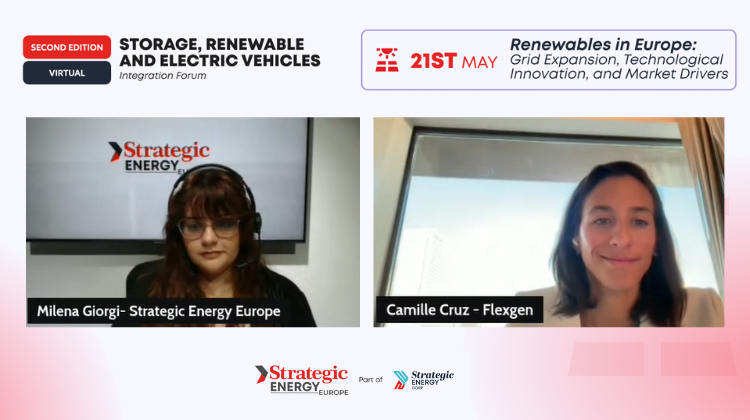
HybridOS, digital twins, and local technical support form the pillars of the plan presented by the US-based firm at the forum organised by Strategic Energy Corp. “The industry is moving towards intelligent and interoperable systems,” stated its representative, Camille Cruz Alfonzo.
France Renouvelables urges structural reforms to align electricity pricing with renewable production peaks, aiming to support industrial competitiveness, boost purchasing power, and enhance energy sovereignty.
During the second edition of the Storage, Renewable and Electric Vehicle Integration Forum, IRENA’s Norella Constantinescu predicted that the decline in solar, wind, and storage energy prices will continue, albeit at a slower pace. She emphasized the global push for batteries, green hydrogen development, and digitalization’s strategic role in energy system efficiency.
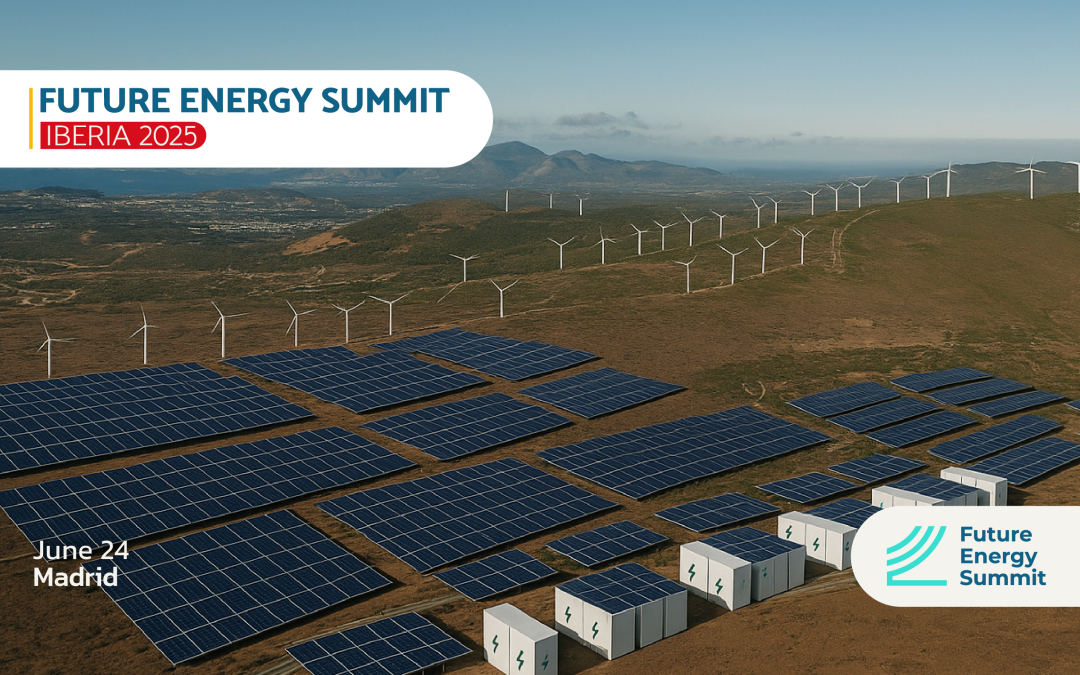
Joao Costeira (Repsol), Rocío Sicre (EDP Renewables), Pablo Fernández Vila (Xunta de Galicia), and Carlos Píñar Celestino (Elmya) will participate in the Future Energy Summit Iberia 2025, taking place on June 24 in Madrid. More than 400 energy executives will gather to discuss how to build a more secure, flexible, and resilient energy system.
This Wednesday marks the start of the electric mobility-focused day of the Storage, Renewable and Electric Vehicles Integration Forum – Second Edition, following an opening day highlighted by insights from IRENA, SolarPower Europe, Hydrogen Europe, AELEC, EASE and leading private sector companies. The event continues with strategic analysis on the continent’s energy future.
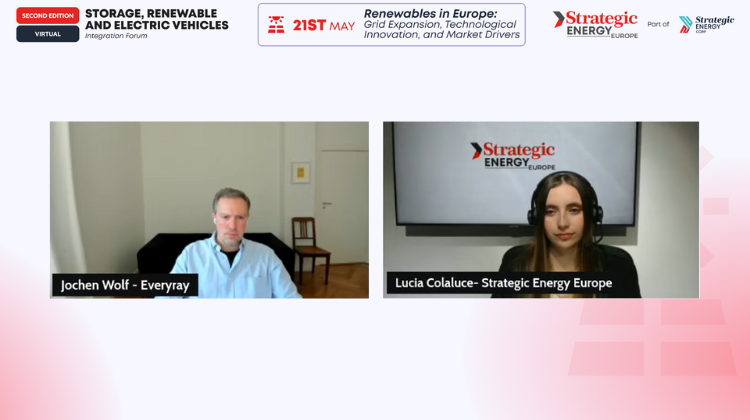
During the Storage, Renewable and Electric Vehicles Integration Forum – Second Edition, Jochen Wolf, Co-Founder of EveryRay, warned that outdated regulations and the lack of digitalisation in electricity grids are limiting the scalability of solar innovation in Europe. “The system is not ready to absorb the renewable potential,” he states.
The platform is the result of a process of dialogue and knowledge exchange between companies, employers, and organizations representing the strategic sectors of our economy and civil society. The alliance is being launched at a crucial moment for Spain, with the aim of strengthening energy autonomy and promoting digitalization, employment, industry, and territorial cohesion through renewable potential.
The Storage, Renewable and Electric Vehicles Integration Forum begins today, bringing together IRENA, leading European energy associations, and top technology providers to outline the region’s path toward 2030. The two-day virtual event is free to attend and will address renewables, battery storage and eMobility in depth.
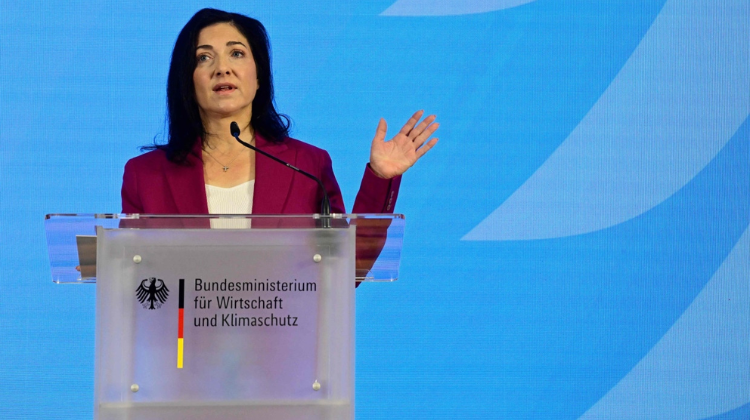
In her inaugural speech, Germany’s new Federal Minister for Economic Affairs and Energy, Katherina Reiche, warned that renewables alone cannot guarantee secure electricity supply, and proposed the swift tendering of up to 20 GW in thermal power plants and grid flexibility measures to stabilise power prices.
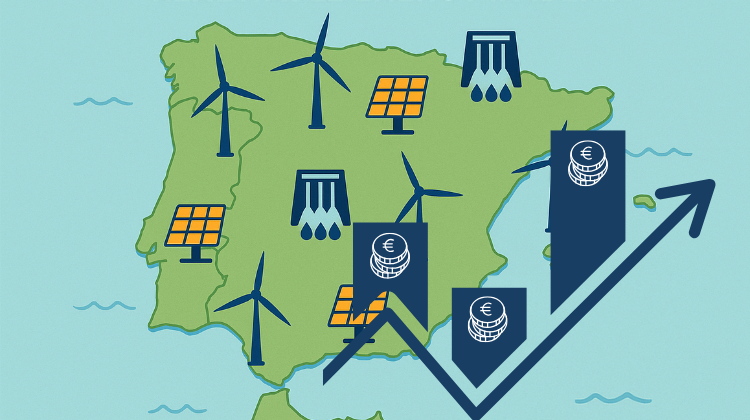
In 2025, Spain and Portugal exhibit solid indicators of growth and deficit reduction, according to the European Commission’s Spring Forecast, creating favourable conditions for renewable auctions and projects involving storage, cogeneration, and green hydrogen.
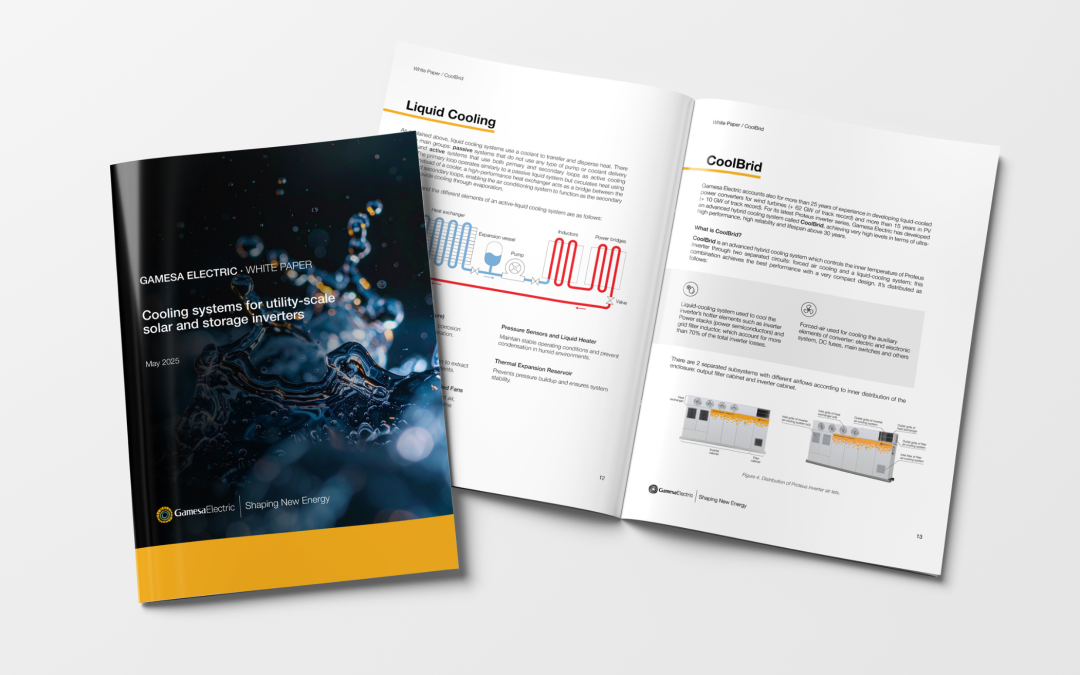
The white paper explores the evolution of cooling technologies, comparing traditional air and liquid cooling methods, and introduces CoolBrid, Gamesa Electric’s advanced hybrid cooling system developed for its Proteus inverter series.
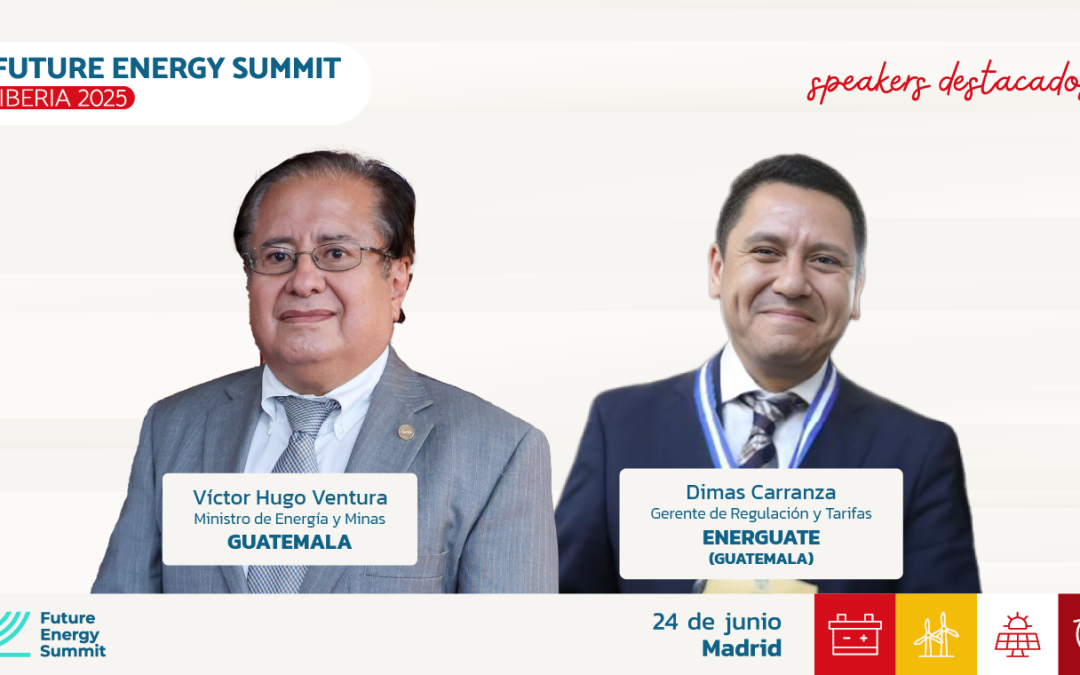
Guatemala’s Minister of Energy and Mines, Víctor Hugo Ventura, and Dimas Carranza, Head of Regulation and Tariffs at Energuate, will participate in the Future Energy Summit Iberia (FES) 2025 to showcase the country’s renewable energy potential and present the details of a competitive bidding process expected to drive more than $5 billion in investments.

The opening session will feature an exclusive interview with Norela Constantinescu, Acting Director of the IRENA Innovation and Technology Centre. She will outline the technologies expected to lead in 2025, the role of battery storage in this critical decade, the emergence of green hydrogen, and how trends in LCOE for solar and wind may evolve amid market volatility. Free registration is still open.
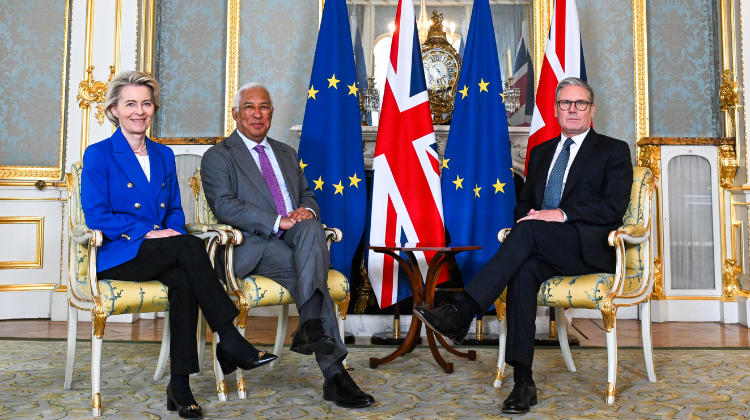
The historic summit between the United Kingdom and the European Union marked the beginning of a strategic partnership in the energy sector. The agreement aims to integrate electricity markets, stabilise prices, strengthen energy security, and promote investments exceeding €150 billion in renewable energy. “This is a key step to secure clean, affordable, and homegrown energy,” highlights the President of the European Commission.
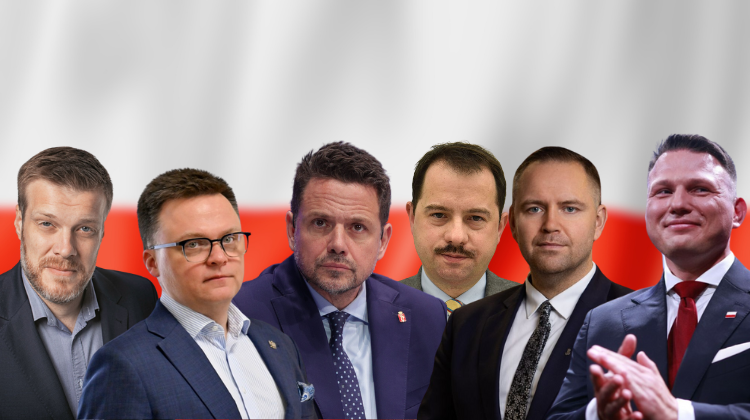
With the energy transition taking centre stage, Poland’s presidential candidates present divergent proposals ranging from achieving 70% renewable electricity by 2030 to defending fossil fuels. This election will shape the country’s future relationship with the European Union and its climate strategy.
Industry leaders anticipate greater predictability in energy policies aligned with the European Union, key factors in driving investment in solar and storage projects, following the recent election results. Speaking to this outlet, Radu Eremciuc, a business investor in PV and BESS storage, points out that more than €2.2 billion in European funds will be crucial to driving these advances.
During the latest edition of InterSolar, APsystems unveiled its renewed portfolio of solutions integrating energy storage and smart energy management. Maxime Boiron, Global Marketing Director, stated in an exclusive interview with Strategic Energy Europe that the company’s strategy focuses on maximizing the self-consumption rate through AC-coupled systems and new applications powered by artificial intelligence.
The sharp drop in electricity prices across Europe, including record-breaking negative values in the Iberian Peninsula, highlights the growing mismatch between renewable generation and absorption capacity. At FES Iberia 2025, industry leaders will tackle the challenges of storage, regulation and investment.
Grid operator TenneT warns that, despite current stability, the security of the electricity supply will deteriorate significantly after 2030, with the LOLE rising to 12.6 hours by 2033. The energy transition demands urgent action in flexibility, storage, and controllable capacity to prevent critical supply disruptions.
Landmark Great British Energy Bill passes in Parliament. Publicly-owned energy company to benefit working people by accelerating clean power, bringing energy security and jobs as part of the Plan for Change. £4 million renewable scheme opens to give Scottish communities a stake in energy
The Ministry for the Ecological Transition and the Demographic Challenge has approved ten renewable energy generation initiatives totalling 780.16 MW, with a strong focus on photovoltaic technology.
HybridOS, digital twins, and local technical support form the pillars of the plan presented by the US-based firm at the forum organised by Strategic Energy Corp. “The industry is moving towards intelligent and interoperable systems,” stated its representative, Camille Cruz Alfonzo.
France Renouvelables urges structural reforms to align electricity pricing with renewable production peaks, aiming to support industrial competitiveness, boost purchasing power, and enhance energy sovereignty.
During the second edition of the Storage, Renewable and Electric Vehicle Integration Forum, IRENA’s Norella Constantinescu predicted that the decline in solar, wind, and storage energy prices will continue, albeit at a slower pace. She emphasized the global push for batteries, green hydrogen development, and digitalization’s strategic role in energy system efficiency.
Joao Costeira (Repsol), Rocío Sicre (EDP Renewables), Pablo Fernández Vila (Xunta de Galicia), and Carlos Píñar Celestino (Elmya) will participate in the Future Energy Summit Iberia 2025, taking place on June 24 in Madrid. More than 400 energy executives will gather to discuss how to build a more secure, flexible, and resilient energy system.
This Wednesday marks the start of the electric mobility-focused day of the Storage, Renewable and Electric Vehicles Integration Forum – Second Edition, following an opening day highlighted by insights from IRENA, SolarPower Europe, Hydrogen Europe, AELEC, EASE and leading private sector companies. The event continues with strategic analysis on the continent’s energy future.
During the Storage, Renewable and Electric Vehicles Integration Forum – Second Edition, Jochen Wolf, Co-Founder of EveryRay, warned that outdated regulations and the lack of digitalisation in electricity grids are limiting the scalability of solar innovation in Europe. “The system is not ready to absorb the renewable potential,” he states.
The platform is the result of a process of dialogue and knowledge exchange between companies, employers, and organizations representing the strategic sectors of our economy and civil society. The alliance is being launched at a crucial moment for Spain, with the aim of strengthening energy autonomy and promoting digitalization, employment, industry, and territorial cohesion through renewable potential.
The Storage, Renewable and Electric Vehicles Integration Forum begins today, bringing together IRENA, leading European energy associations, and top technology providers to outline the region’s path toward 2030. The two-day virtual event is free to attend and will address renewables, battery storage and eMobility in depth.
In her inaugural speech, Germany’s new Federal Minister for Economic Affairs and Energy, Katherina Reiche, warned that renewables alone cannot guarantee secure electricity supply, and proposed the swift tendering of up to 20 GW in thermal power plants and grid flexibility measures to stabilise power prices.
In 2025, Spain and Portugal exhibit solid indicators of growth and deficit reduction, according to the European Commission’s Spring Forecast, creating favourable conditions for renewable auctions and projects involving storage, cogeneration, and green hydrogen.
The white paper explores the evolution of cooling technologies, comparing traditional air and liquid cooling methods, and introduces CoolBrid, Gamesa Electric’s advanced hybrid cooling system developed for its Proteus inverter series.
Guatemala’s Minister of Energy and Mines, Víctor Hugo Ventura, and Dimas Carranza, Head of Regulation and Tariffs at Energuate, will participate in the Future Energy Summit Iberia (FES) 2025 to showcase the country’s renewable energy potential and present the details of a competitive bidding process expected to drive more than $5 billion in investments.

The opening session will feature an exclusive interview with Norela Constantinescu, Acting Director of the IRENA Innovation and Technology Centre. She will outline the technologies expected to lead in 2025, the role of battery storage in this critical decade, the emergence of green hydrogen, and how trends in LCOE for solar and wind may evolve amid market volatility. Free registration is still open.
The historic summit between the United Kingdom and the European Union marked the beginning of a strategic partnership in the energy sector. The agreement aims to integrate electricity markets, stabilise prices, strengthen energy security, and promote investments exceeding €150 billion in renewable energy. “This is a key step to secure clean, affordable, and homegrown energy,” highlights the President of the European Commission.
With the energy transition taking centre stage, Poland’s presidential candidates present divergent proposals ranging from achieving 70% renewable electricity by 2030 to defending fossil fuels. This election will shape the country’s future relationship with the European Union and its climate strategy.
Industry leaders anticipate greater predictability in energy policies aligned with the European Union, key factors in driving investment in solar and storage projects, following the recent election results. Speaking to this outlet, Radu Eremciuc, a business investor in PV and BESS storage, points out that more than €2.2 billion in European funds will be crucial to driving these advances.
During the latest edition of InterSolar, APsystems unveiled its renewed portfolio of solutions integrating energy storage and smart energy management. Maxime Boiron, Global Marketing Director, stated in an exclusive interview with Strategic Energy Europe that the company’s strategy focuses on maximizing the self-consumption rate through AC-coupled systems and new applications powered by artificial intelligence.
The sharp drop in electricity prices across Europe, including record-breaking negative values in the Iberian Peninsula, highlights the growing mismatch between renewable generation and absorption capacity. At FES Iberia 2025, industry leaders will tackle the challenges of storage, regulation and investment.
Grid operator TenneT warns that, despite current stability, the security of the electricity supply will deteriorate significantly after 2030, with the LOLE rising to 12.6 hours by 2033. The energy transition demands urgent action in flexibility, storage, and controllable capacity to prevent critical supply disruptions.
Landmark Great British Energy Bill passes in Parliament. Publicly-owned energy company to benefit working people by accelerating clean power, bringing energy security and jobs as part of the Plan for Change. £4 million renewable scheme opens to give Scottish communities a stake in energy

Select the sector you
want to know more about
A review of power and energy procurement costs for October–December 2025 resulted in minor adjustments, maintaining tariff stability for regulated consumers between 1 February and 30 April 2026.
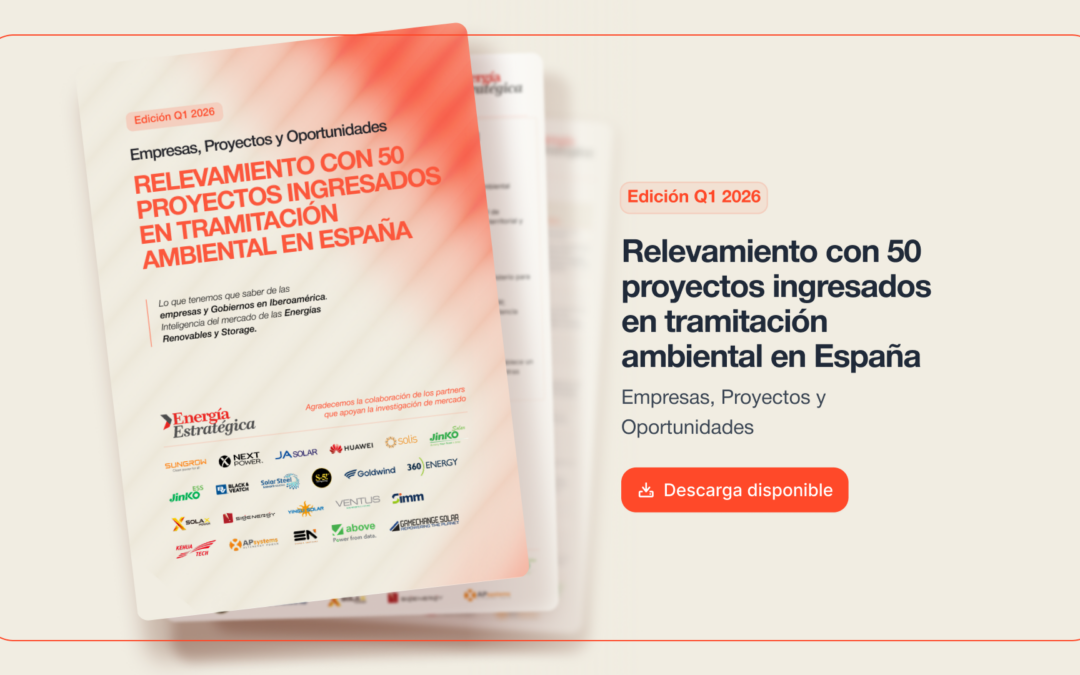
An Energía Estratégica report identifies more than 3 GW of solar, wind and battery storage projects in Spain, highlighting investment opportunities amid regulatory and grid constraints.
The rapid expansion of cloud computing and artificial intelligence is pushing Mexico to strengthen its power grids and secure clean electricity to supply critical digital infrastructure. As global tech giants and regional operators move in, the country’s energy priorities are being reshaped.