
Michal Smyk, Country Manager of Statkraft in Poland, highlights the company’s commitment in a country where 73% of energy comes from fossil fuels. Despite regulatory challenges, Statkraft’s strategy is to become a key player in the energy landscape.


Michal Smyk, Country Manager of Statkraft in Poland, highlights the company’s commitment in a country where 73% of energy comes from fossil fuels. Despite regulatory challenges, Statkraft’s strategy is to become a key player in the energy landscape.
The General Director of UNEF, José Donoso, highlighted during the event’s closing that “our country spends around 60 billion euros a year on importing hydrocarbons. The year we achieve total decarbonization will be like having a Next Generation investment every year for our economy with our internal resources.”
From infrastructure modernization to the adoption of renewable energy, Central Europe has the opportunity to redefine its energy future. However, this path entails geopolitical and economic challenges that will require strategic vision and international collaboration to ensure an effective transition.
The PPA market in Portugal has experienced strong growth, driven by the energy transition towards carbon neutrality. According to Hugo Silva from TreeEnergy, the solar sector is leading this development, with long-term contracts that ensure competitive prices and energy stability.
The Ministry of Industry published the provisional resolution for grants to companies such as Repsol Petróleo, Smurfit Kappa Navarra, and Votorantim Cementos, compensating their high energy consumption and promoting the use of renewable energy in 2024.
The Secretary of Energy, Sara Aagesen, announced the opening of the public consultation for Royal Decree 244/2019, which aims to gather extensive feedback from the sector. In this regard, some of the requested modifications include facilitating access to the grid, eliminating the connection radius for energy communities, and creating a one-stop shop.
The TracSmarT+2V Compact was designed to maximize safety and adaptability in photovoltaic projects. With growth expectations towards the second half of 2025, the company is focusing on improving its products and increasing the use of artificial intelligence.
In a context where the energy transition is presented as a global challenge, Ursula Von der Leyen sets out an ambitious plan to accelerate the use of renewable energy. Meanwhile, OPEC opposes this vision, emphasizing the continued presence of oil in the global energy mix.
Yack becomes the exclusive importer in France of the PVT panels from the Spanish manufacturer, Abora.
In the last 15 days, MITECO approved 736 MW of renewable projects, including 668.7 MW of photovoltaic, 40 MW of wind, and 27.46 MW of battery storage. However, it rejected 523 MW of wind projects, mainly affecting projects by Capital Energy and Forestalia.
AEGE called at its Forum for the approval of effective measures to eliminate the structural disadvantage that the electro-intensive industry faces in its electricity bill compared to its competitors, in order to advance the processes of decarbonization, electrification, and job and wealth creation in the country.
A key feature of the TracSmarT+2V Compact is its greater dynamic stability in the face of wind events, with a new protection position of 55º that ensures system stability even on variable terrain slopes.
In its conclusions, the Council emphasizes that the EU and its Member States are committed to the current goal of developed countries to collectively mobilize $100 billion per year in climate finance until 2025. This goal was first achieved in 2022.
Adding the announced ones, the Ministry of Industry has already granted €323 million in aid under the Decarbonization PERTE through definitive and provisional resolutions.
Initiatives in the processing of renewable energy projects from companies such as Saeta Yield and Solaria have been approved. However, some ventures were rejected. The list.
Tesla, Greening Investments, and Eleia Energía are leading the search for professionals in the renewable sector in Spain. The most sought-after profiles include project engineers, waste managers, public policy specialists, and sales representatives in cities such as Madrid, Seville, and Barcelona.
According to data from Red Eléctrica, generation with this technology reached 37,551 GWh on October 5, 2024, surpassing its total production for all of 2023, which was 37,472 GWh.
Zelestra strengthens its business unit in Germany with a partnership that drives Zelestra’s growth in Europe’s largest renewable energy market.
Carlos Martín Graña, COO of ENERJOIN, states that “the goal of the PNIEC is impossible” and increasing 90 TWh “would be a huge success,” which could slow down the deployment of renewables.
Companies such as ERTEC and INTELCIA in Portugal, and ACCIONA, Greenenergy, and CEPSA in Spain, stand out for seeking professionals in in-person modalities, focused on the implementation and monitoring of sustainable solutions.
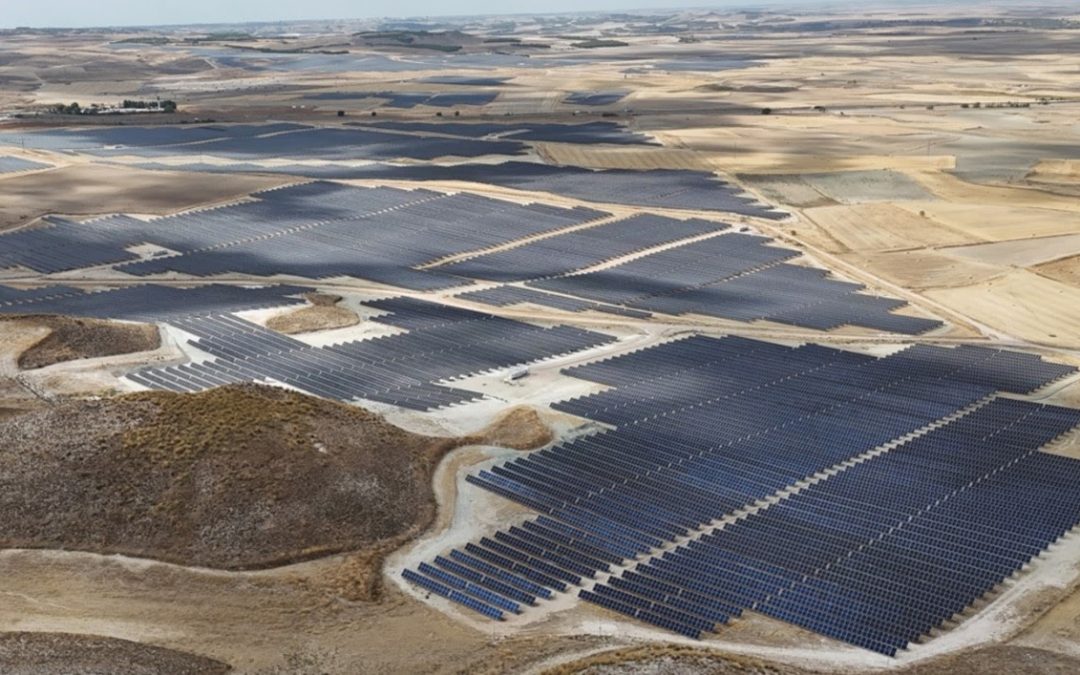
The project consists of three plants, located in the town of Belinchón, with a combined annual production of 296 GWh, equivalent to the annual energy consumption of approximately 33,000 households.

Michal Smyk, Country Manager of Statkraft in Poland, highlights the company’s commitment in a country where 73% of energy comes from fossil fuels. Despite regulatory challenges, Statkraft’s strategy is to become a key player in the energy landscape.
The General Director of UNEF, José Donoso, highlighted during the event’s closing that “our country spends around 60 billion euros a year on importing hydrocarbons. The year we achieve total decarbonization will be like having a Next Generation investment every year for our economy with our internal resources.”
From infrastructure modernization to the adoption of renewable energy, Central Europe has the opportunity to redefine its energy future. However, this path entails geopolitical and economic challenges that will require strategic vision and international collaboration to ensure an effective transition.
The PPA market in Portugal has experienced strong growth, driven by the energy transition towards carbon neutrality. According to Hugo Silva from TreeEnergy, the solar sector is leading this development, with long-term contracts that ensure competitive prices and energy stability.
The Ministry of Industry published the provisional resolution for grants to companies such as Repsol Petróleo, Smurfit Kappa Navarra, and Votorantim Cementos, compensating their high energy consumption and promoting the use of renewable energy in 2024.
The Secretary of Energy, Sara Aagesen, announced the opening of the public consultation for Royal Decree 244/2019, which aims to gather extensive feedback from the sector. In this regard, some of the requested modifications include facilitating access to the grid, eliminating the connection radius for energy communities, and creating a one-stop shop.
The TracSmarT+2V Compact was designed to maximize safety and adaptability in photovoltaic projects. With growth expectations towards the second half of 2025, the company is focusing on improving its products and increasing the use of artificial intelligence.
In a context where the energy transition is presented as a global challenge, Ursula Von der Leyen sets out an ambitious plan to accelerate the use of renewable energy. Meanwhile, OPEC opposes this vision, emphasizing the continued presence of oil in the global energy mix.
Yack becomes the exclusive importer in France of the PVT panels from the Spanish manufacturer, Abora.
In the last 15 days, MITECO approved 736 MW of renewable projects, including 668.7 MW of photovoltaic, 40 MW of wind, and 27.46 MW of battery storage. However, it rejected 523 MW of wind projects, mainly affecting projects by Capital Energy and Forestalia.
AEGE called at its Forum for the approval of effective measures to eliminate the structural disadvantage that the electro-intensive industry faces in its electricity bill compared to its competitors, in order to advance the processes of decarbonization, electrification, and job and wealth creation in the country.
A key feature of the TracSmarT+2V Compact is its greater dynamic stability in the face of wind events, with a new protection position of 55º that ensures system stability even on variable terrain slopes.
In its conclusions, the Council emphasizes that the EU and its Member States are committed to the current goal of developed countries to collectively mobilize $100 billion per year in climate finance until 2025. This goal was first achieved in 2022.
Adding the announced ones, the Ministry of Industry has already granted €323 million in aid under the Decarbonization PERTE through definitive and provisional resolutions.
Initiatives in the processing of renewable energy projects from companies such as Saeta Yield and Solaria have been approved. However, some ventures were rejected. The list.
Tesla, Greening Investments, and Eleia Energía are leading the search for professionals in the renewable sector in Spain. The most sought-after profiles include project engineers, waste managers, public policy specialists, and sales representatives in cities such as Madrid, Seville, and Barcelona.
According to data from Red Eléctrica, generation with this technology reached 37,551 GWh on October 5, 2024, surpassing its total production for all of 2023, which was 37,472 GWh.
Zelestra strengthens its business unit in Germany with a partnership that drives Zelestra’s growth in Europe’s largest renewable energy market.
Carlos Martín Graña, COO of ENERJOIN, states that “the goal of the PNIEC is impossible” and increasing 90 TWh “would be a huge success,” which could slow down the deployment of renewables.
Companies such as ERTEC and INTELCIA in Portugal, and ACCIONA, Greenenergy, and CEPSA in Spain, stand out for seeking professionals in in-person modalities, focused on the implementation and monitoring of sustainable solutions.
The project consists of three plants, located in the town of Belinchón, with a combined annual production of 296 GWh, equivalent to the annual energy consumption of approximately 33,000 households.
Select the sector you
want to know more about
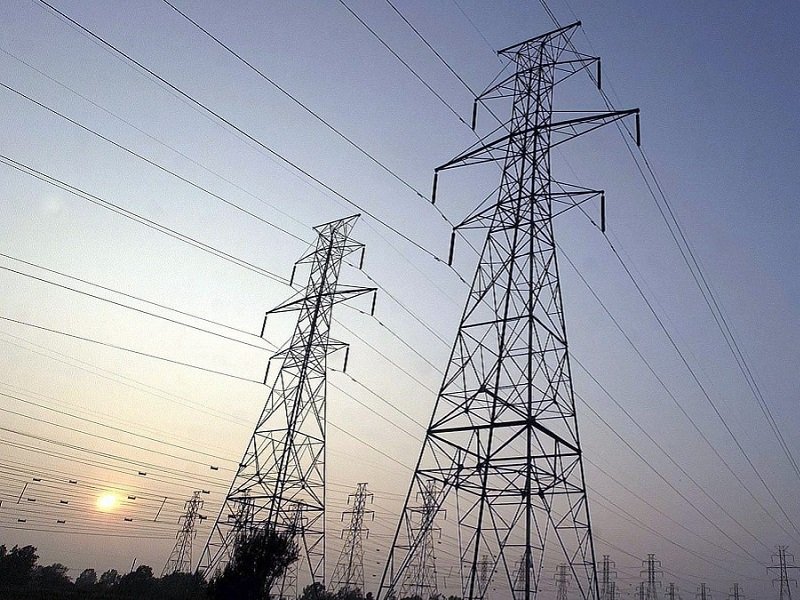
The investment targets new high-voltage transmission systems, substation expansions and maintenance works to improve reliability, capacity and grid resilience across the country.
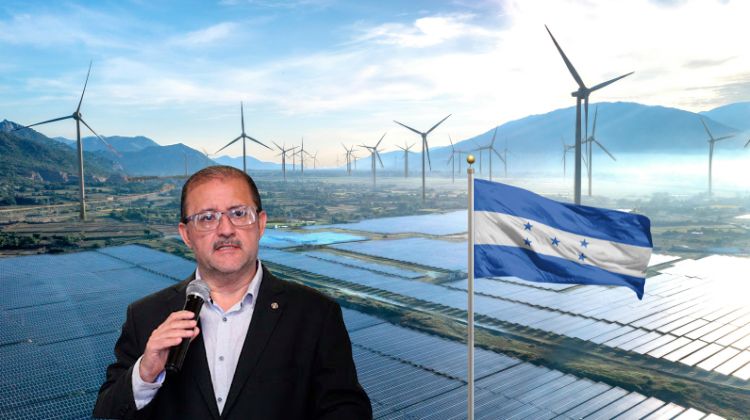
The incoming administration of Nasry Asfura reframes the 1.5 GW procurement—mostly renewables with storage—and signals a shift towards a more open power market. Regulator Leonardo Deras says the legal framework is ready, but warns about the fragile finances of the state utility ENEE.
With the vote set for 1 February, Costa Rica faces a strategic choice on its energy transition. Three front-running candidates are putting forward sharply different visions: state-led reform, market liberalisation focused on electricity tariffs, and a middle path built on partnerships and advanced technologies.