
The company’s CEO, Juan Barandiaran, highlights that if this year’s auctions are held, they will be key to strengthening the local industry, optimizing energy storage, and reducing dependence on foreign suppliers.


The company’s CEO, Juan Barandiaran, highlights that if this year’s auctions are held, they will be key to strengthening the local industry, optimizing energy storage, and reducing dependence on foreign suppliers.
Hispania has introduced one of the first insurance policies in the European Union for lithium-ion battery storage, marking a significant advancement in the insurance sector. This coverage addresses the growth of battery technology and the interest in securing energy projects with solid financial backing.
The tax on energy companies, which raised **€1.164 billion**, creates uncertainty in investments. Although companies like Endesa and Iberdrola are growing in value, broker Jon Belda warns that the measure would affect smaller firms and polarize the market.
The President of AEPIBAL emphasizes the importance of a strong battery sector in Europe, noting that batteries are strategic technology for the continent. The organization has presented 10 key proposals to improve the regulation of distributed storage and ensure that Spain strengthens its battery industry.
The Portuguese Renewable Energy Association highlights the importance of the Portuguese government supporting contracts to contribute to the bankability of projects. Additionally, they emphasize the need to speed up licensing processes and modernize the electrical grid to achieve the 20.8 GW of solar and 10.4 GW of onshore wind proposed in the PNEC 2030.
The company generated a positive operating cash flow of €2.5M thanks to its asset rotation strategy and structural cost optimization exceeding 50%. Of its 7.3 GW portfolio, 17% consists of stand-alone battery projects, while 44% combines solar photovoltaic and batteries.
Michal Prazynski, CEO of Horizons sp. z o.o., highlights expectations for the energy sector in Poland, noting that 2025 will be a crucial year for the adoption of new regulations and key investments, especially in energy storage and renewables.
As described, this is possible thanks to the optimization of charge and discharge cycles, with the replacement of lithium cells after 10 years, improving returns without incurring new fixed costs. Additionally, they warn that hybridization with batteries is only profitable in a few cases.
With an investment of €1.2 billion, the country aims to achieve at least 5.4 GWh of capacity in battery storage systems, seeking to strengthen its energy security and sustainability, and open new opportunities for small and medium-sized enterprises.
Solis leverages data from third-party electricity trading platforms, such as Nordpool, to forecast daily prices and provide precise hourly pricing for different regions and countries. Depending on the inverter model, customers can set up to 12 time periods for charging and discharging, automatically extracting energy from their batteries when prices are lower, allowing them to take advantage of savings without lifting a finger.
Ampowr and Audax Renewables are among the companies looking to expand their teams. The most sought-after profiles include consultants, coordinators, and administrative staff. Below is the list of vacancies compiled by *Energía Estratégica España.
For solar photovoltaic energy, the LCOE of fixed-axis systems averages $66/MWh globally, with a wide range from $28/MWh to $117/MWh, reflecting the influence of geography, technological advancements, and regional market conditions. Single-axis tracking photovoltaic systems perform slightly better, with an average of $60/MWh and a range from $31/MWh to $103/MWh, reinforcing their growing role in utility-scale projects.
HELAPCO, the Hellenic Association of Photovoltaic Companies, states that curtailments are expected to reach 1 TWh in 2024, representing 3.5% of total renewable energy production. They emphasize that between 7.5 GW and 8 GW of storage capacity is needed to address this issue. Additionally, they project surpassing the 2030 photovoltaic target of 13.5 GW and reaching 20 GW of installed capacity.
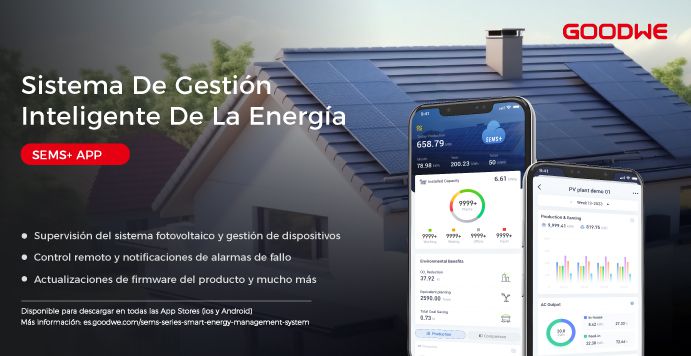
This system enables remote monitoring, management, and optimization of photovoltaic installations, with advanced security and automatic firmware updates.
Following the inclusion of the project in the MAPs in April, Red Eléctrica initiated its processing and has since undertaken significant efforts, now enabling the imminent commencement of construction.
Nine initiatives, led by companies such as Rolwind and Our New Energy, stand out for their capacity and strategic location in key regions such as Andalusia, Catalonia, and Asturias, enhancing renewable integration.
Alantra Energy Transition consultants analyze the Italian storage market and the role of MACSE, and affirm that there is high appetite from developers and investors for the merchant scheme with capacity payments and the MACSE scheme, which will provide a guaranteed income of 80% for most of the project’s lifespan.
This new scheme, focused on long-duration electricity storage (LDES), proposes providing support for up to 25 years, aligning more with the lifespan of the projects. The national electricity system operator estimates that between 11.5 and 15.3 GW of LDES will be needed to achieve the net-zero targets by 2050.
The CNMC resolution modifies the electricity market settlement to 15-minute intervals. This measure aims to improve efficiency in managing deviations. From the renewable sector, it is seen as a positive opportunity, although it involves technological adaptation efforts.
Neha Sinha, from Wärtsilä Energy Storage & Optimisation, presented innovative solutions to optimize BESS systems, highlighting how the reduction in battery costs allows for prioritizing hardware design and improving operational efficiency. System flexibility and real-time monitoring are key to maximizing performance and long-term sustainability.
From infrastructure modernization to the adoption of renewable energy, Central Europe has the opportunity to redefine its energy future. However, this path entails geopolitical and economic challenges that will require strategic vision and international collaboration to ensure an effective transition.
The company’s CEO, Juan Barandiaran, highlights that if this year’s auctions are held, they will be key to strengthening the local industry, optimizing energy storage, and reducing dependence on foreign suppliers.
Hispania has introduced one of the first insurance policies in the European Union for lithium-ion battery storage, marking a significant advancement in the insurance sector. This coverage addresses the growth of battery technology and the interest in securing energy projects with solid financial backing.
The tax on energy companies, which raised **€1.164 billion**, creates uncertainty in investments. Although companies like Endesa and Iberdrola are growing in value, broker Jon Belda warns that the measure would affect smaller firms and polarize the market.
The President of AEPIBAL emphasizes the importance of a strong battery sector in Europe, noting that batteries are strategic technology for the continent. The organization has presented 10 key proposals to improve the regulation of distributed storage and ensure that Spain strengthens its battery industry.
The Portuguese Renewable Energy Association highlights the importance of the Portuguese government supporting contracts to contribute to the bankability of projects. Additionally, they emphasize the need to speed up licensing processes and modernize the electrical grid to achieve the 20.8 GW of solar and 10.4 GW of onshore wind proposed in the PNEC 2030.
The company generated a positive operating cash flow of €2.5M thanks to its asset rotation strategy and structural cost optimization exceeding 50%. Of its 7.3 GW portfolio, 17% consists of stand-alone battery projects, while 44% combines solar photovoltaic and batteries.
Michal Prazynski, CEO of Horizons sp. z o.o., highlights expectations for the energy sector in Poland, noting that 2025 will be a crucial year for the adoption of new regulations and key investments, especially in energy storage and renewables.
As described, this is possible thanks to the optimization of charge and discharge cycles, with the replacement of lithium cells after 10 years, improving returns without incurring new fixed costs. Additionally, they warn that hybridization with batteries is only profitable in a few cases.
With an investment of €1.2 billion, the country aims to achieve at least 5.4 GWh of capacity in battery storage systems, seeking to strengthen its energy security and sustainability, and open new opportunities for small and medium-sized enterprises.
Solis leverages data from third-party electricity trading platforms, such as Nordpool, to forecast daily prices and provide precise hourly pricing for different regions and countries. Depending on the inverter model, customers can set up to 12 time periods for charging and discharging, automatically extracting energy from their batteries when prices are lower, allowing them to take advantage of savings without lifting a finger.
Ampowr and Audax Renewables are among the companies looking to expand their teams. The most sought-after profiles include consultants, coordinators, and administrative staff. Below is the list of vacancies compiled by *Energía Estratégica España.
For solar photovoltaic energy, the LCOE of fixed-axis systems averages $66/MWh globally, with a wide range from $28/MWh to $117/MWh, reflecting the influence of geography, technological advancements, and regional market conditions. Single-axis tracking photovoltaic systems perform slightly better, with an average of $60/MWh and a range from $31/MWh to $103/MWh, reinforcing their growing role in utility-scale projects.
HELAPCO, the Hellenic Association of Photovoltaic Companies, states that curtailments are expected to reach 1 TWh in 2024, representing 3.5% of total renewable energy production. They emphasize that between 7.5 GW and 8 GW of storage capacity is needed to address this issue. Additionally, they project surpassing the 2030 photovoltaic target of 13.5 GW and reaching 20 GW of installed capacity.
This system enables remote monitoring, management, and optimization of photovoltaic installations, with advanced security and automatic firmware updates.
Following the inclusion of the project in the MAPs in April, Red Eléctrica initiated its processing and has since undertaken significant efforts, now enabling the imminent commencement of construction.
Nine initiatives, led by companies such as Rolwind and Our New Energy, stand out for their capacity and strategic location in key regions such as Andalusia, Catalonia, and Asturias, enhancing renewable integration.
Alantra Energy Transition consultants analyze the Italian storage market and the role of MACSE, and affirm that there is high appetite from developers and investors for the merchant scheme with capacity payments and the MACSE scheme, which will provide a guaranteed income of 80% for most of the project’s lifespan.
This new scheme, focused on long-duration electricity storage (LDES), proposes providing support for up to 25 years, aligning more with the lifespan of the projects. The national electricity system operator estimates that between 11.5 and 15.3 GW of LDES will be needed to achieve the net-zero targets by 2050.
The CNMC resolution modifies the electricity market settlement to 15-minute intervals. This measure aims to improve efficiency in managing deviations. From the renewable sector, it is seen as a positive opportunity, although it involves technological adaptation efforts.
Neha Sinha, from Wärtsilä Energy Storage & Optimisation, presented innovative solutions to optimize BESS systems, highlighting how the reduction in battery costs allows for prioritizing hardware design and improving operational efficiency. System flexibility and real-time monitoring are key to maximizing performance and long-term sustainability.
From infrastructure modernization to the adoption of renewable energy, Central Europe has the opportunity to redefine its energy future. However, this path entails geopolitical and economic challenges that will require strategic vision and international collaboration to ensure an effective transition.

Select the sector you
want to know more about
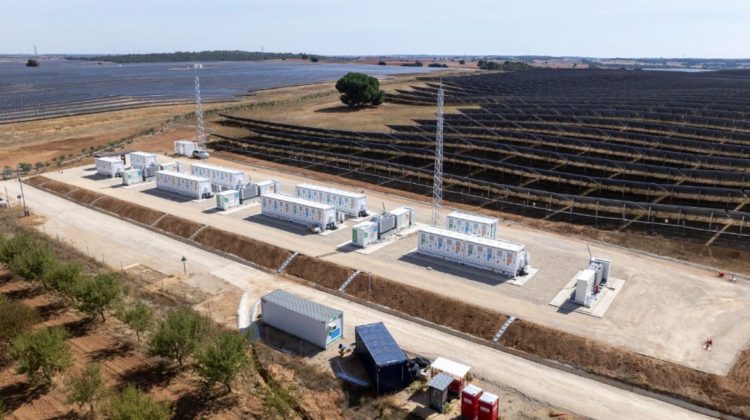
The two 60 MWh battery energy storage systems (BESS), located in Alarcón, central Spain, have been recognised as strategic projects under Spain’s PERTE programme for renewables, green hydrogen and energy storage.
The National Energy Commission has opened a public consultation on new technical and administrative manuals that will reshape how renewable energy concessions are structured and approved, raising the bar for developers.
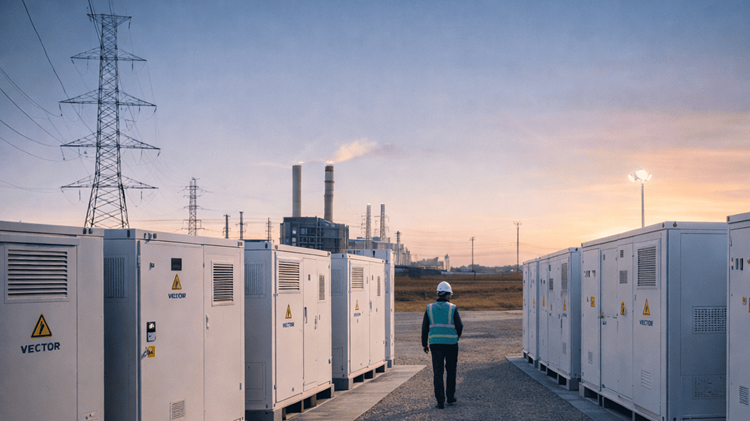
Engineering and Design (I&D) outlines why operational continuity, power quality and fault response are as important as energy costs in high-criticality industrial facilities.