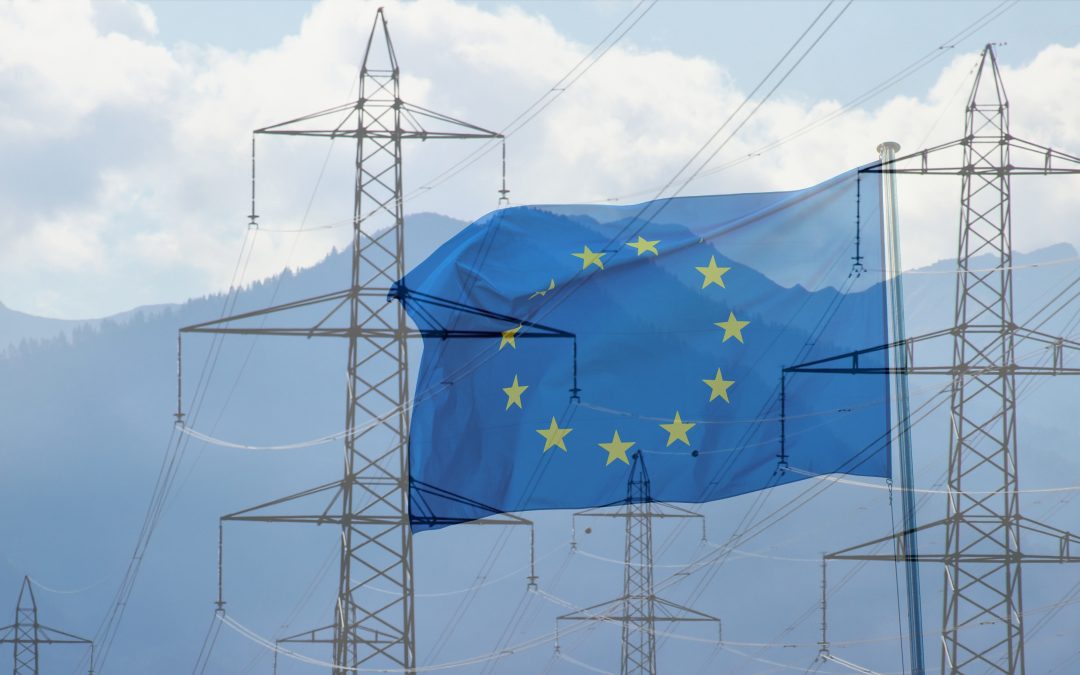

The call, linked to the EU’s Connecting Europe Facility for Energy (CEF Energy), addresses funding proposals for studies and construction works and will be open until 16 September 2025 at 17.00 (CEST). Results will be known early next year.


The call, linked to the EU’s Connecting Europe Facility for Energy (CEF Energy), addresses funding proposals for studies and construction works and will be open until 16 September 2025 at 17.00 (CEST). Results will be known early next year.

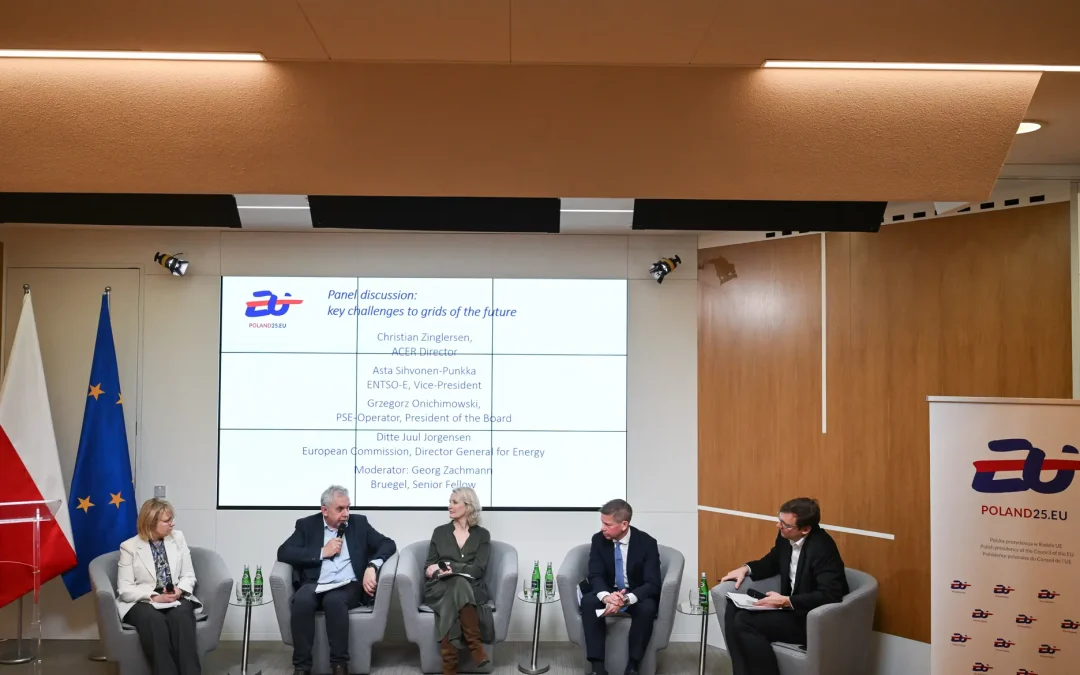
The rapid development of new electricity grids and the optimal use of existing infrastructure are key to a successful EU energy transformation. On 26 March 2025, the Minister of Climate and Environment, Paulina Hennig-Kloska, addressed this topic at the flagship event of the Polish Presidency: Resilient EU grids : ensuring energy security and competitiveness.
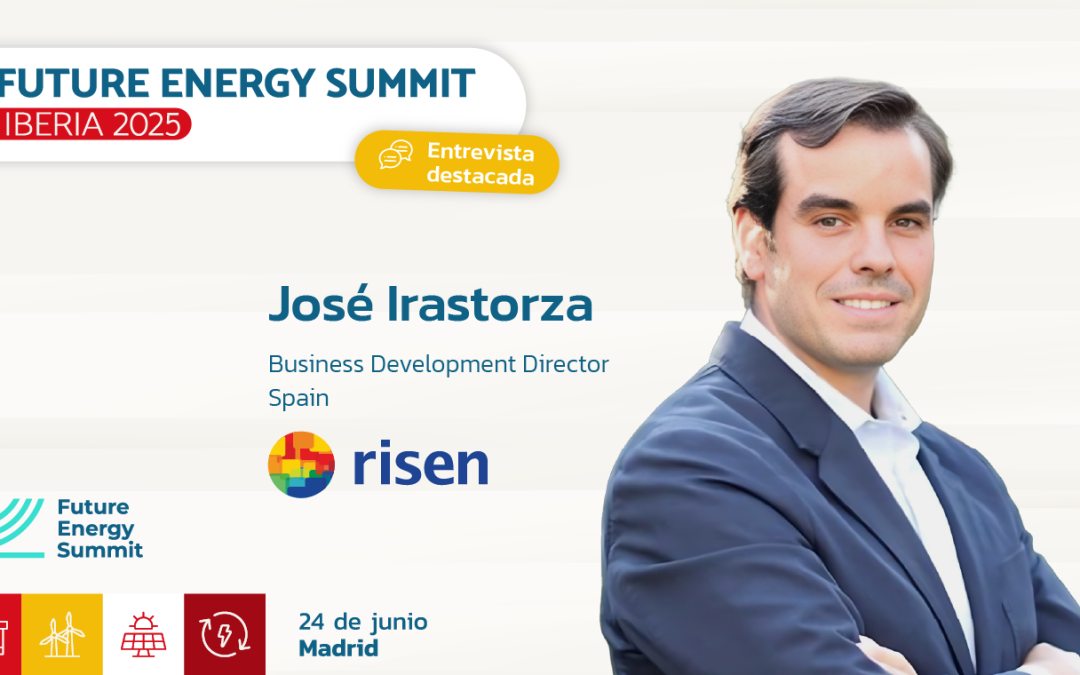
“The meeting of renewable energy leaders is an opportunity to lay the groundwork for what may come in the coming months,” says Juan Antonio Irastorza.
With 89 GW of installed capacity as of 2024, Europe is consolidating its energy transition through an unprecedented growth in storage technologies, led by pumped hydro and electrochemical batteries. The EU’s new state aid framework will be key to adding a further 128 GW by 2030, according to the EMMES 9.0 report.
Within a year, Sweden’s battery capacity for balancing services soared from 80 MW to 610 MW, yet local grid operators are struggling to keep up. A report by Svensk Solenergi reveals the regulatory, technical and operational barriers slowing down their integration.
The data, revealed by IPTO, highlights a structural issue in the Greek grid, unable to absorb the rapid growth in renewables. The sector is demanding compensation, urgent measures, and accelerated deployment of storage to prevent further losses.
It is one of five projects from the first energy sandbox awarded in Spain, promoting demand flexibility to reduce costs, integrate renewables, and transform the electricity system toward a more efficient and sustainable model.
In an interview with Strategic Energy Europe, Jorge Paradela Gutiérrez, Minister of Industry, Energy and Mines, details how the region will surpass 20 GW of renewable energy by 2026, deploy 23 green hydrogen projects worth €5.5 billion, double the number of energy communities, and consolidate alliances with Germany and the Netherlands.
The association has published two new flexibility reports based on the Solar 2040 Mission, which highlight the role of storage in achieving true energy security in Europe. The announcements were made during the SolarPower Summit held in Brussels.
The private sector warns that the new criteria fall short of expectations, prioritizing budget savings over project maturity. They will seek to modify this point during the appeals process.
As part of the Leaders SEC interview series, Jacopo Tosoni, Head of Policy at EASE, affirms that energy storage projects in Europe are already commercially viable due to battery price drops of up to double digits between 2023 and 2024. “We will see larger, longer-duration, and increasingly co-located projects,” he emphasizes. Although the sector is advancing, it still faces regulatory and fiscal challenges that limit its full deployment.
The Ministry of Economy and Finance (MITECO) has opened public consultation on the draft regulations, which provide €699 million in aid, with coverage of up to 85%. Andrés Pinilla Antón analyzes the strengths, regulatory gaps, and risks of repeating past mistakes in the implementation of aid.
The Italian electricity transmission system operator, Terna, has launched a record €17.7 billion plan to accelerate the energy transition, modernize the grid, and strengthen resilience against climate change. The strategy foresees over 99% of investments aligned with the European green taxonomy and aims to integrate 107 GW of renewable energy capacity by 2030.
In 2024, contracted volumes in the European PPA market dropped by 11%, with a 59% fall in utility agreements. However, a record 316 long-term contracts were signed—driven by a 26% rise in corporate PPAs, which reached 5.2 GW. This shift triggered a wave of innovation in multi-technology, multi-buyer and storage-linked structures.
The awarded projects total nearly 189 MW and must be operational by April 2026. The average bid price was €52,589/MW/year, below the European ceiling.
The initiative will allocate more than one million euros to promote projects that foster a fair energy transition.
After six years of no sustained growth, energy demand in the European Union increased by 0.5% in 2024, driven by lower prices, industrial recovery, and renewable expansion. For the first time, solar and wind generation surpassed that of coal and gas combined, according to a report published by the International Energy Agency (IEA).
Among the main topics that marked the third edition of the FERC was the need to boost renewable energy storage capacity in the archipelago. Representatives of the Canary Islands government have announced new calls for grants of up to €30 million to promote self-consumption.
The European Energy Research Alliance states in a discussion with Strategic Energy Europe that the European Union should focus on key technologies where it has the potential to achieve realistic leadership in the global renewable energy market, rather than attempting to cover all sectors.
VSC converters, advanced cooling, and algorithmic control are the main challenges Norvento addresses in power electronics, with digital innovation, modularity, and local production as the keys to scaling and competing globally.
The UK’s energy regulator has launched upfront funding to allow electricity transmission operators to secure critical materials before planning approval. The move aims to ease pressure on the global supply chain, prevent delays in strategic projects, and accelerate the deployment of infrastructure to meet the clean energy target by 2030.
The call, linked to the EU’s Connecting Europe Facility for Energy (CEF Energy), addresses funding proposals for studies and construction works and will be open until 16 September 2025 at 17.00 (CEST). Results will be known early next year.
The rapid development of new electricity grids and the optimal use of existing infrastructure are key to a successful EU energy transformation. On 26 March 2025, the Minister of Climate and Environment, Paulina Hennig-Kloska, addressed this topic at the flagship event of the Polish Presidency: Resilient EU grids : ensuring energy security and competitiveness.
“The meeting of renewable energy leaders is an opportunity to lay the groundwork for what may come in the coming months,” says Juan Antonio Irastorza.
With 89 GW of installed capacity as of 2024, Europe is consolidating its energy transition through an unprecedented growth in storage technologies, led by pumped hydro and electrochemical batteries. The EU’s new state aid framework will be key to adding a further 128 GW by 2030, according to the EMMES 9.0 report.
Within a year, Sweden’s battery capacity for balancing services soared from 80 MW to 610 MW, yet local grid operators are struggling to keep up. A report by Svensk Solenergi reveals the regulatory, technical and operational barriers slowing down their integration.
The data, revealed by IPTO, highlights a structural issue in the Greek grid, unable to absorb the rapid growth in renewables. The sector is demanding compensation, urgent measures, and accelerated deployment of storage to prevent further losses.
It is one of five projects from the first energy sandbox awarded in Spain, promoting demand flexibility to reduce costs, integrate renewables, and transform the electricity system toward a more efficient and sustainable model.
In an interview with Strategic Energy Europe, Jorge Paradela Gutiérrez, Minister of Industry, Energy and Mines, details how the region will surpass 20 GW of renewable energy by 2026, deploy 23 green hydrogen projects worth €5.5 billion, double the number of energy communities, and consolidate alliances with Germany and the Netherlands.
The association has published two new flexibility reports based on the Solar 2040 Mission, which highlight the role of storage in achieving true energy security in Europe. The announcements were made during the SolarPower Summit held in Brussels.
The private sector warns that the new criteria fall short of expectations, prioritizing budget savings over project maturity. They will seek to modify this point during the appeals process.
As part of the Leaders SEC interview series, Jacopo Tosoni, Head of Policy at EASE, affirms that energy storage projects in Europe are already commercially viable due to battery price drops of up to double digits between 2023 and 2024. “We will see larger, longer-duration, and increasingly co-located projects,” he emphasizes. Although the sector is advancing, it still faces regulatory and fiscal challenges that limit its full deployment.
The Ministry of Economy and Finance (MITECO) has opened public consultation on the draft regulations, which provide €699 million in aid, with coverage of up to 85%. Andrés Pinilla Antón analyzes the strengths, regulatory gaps, and risks of repeating past mistakes in the implementation of aid.
The Italian electricity transmission system operator, Terna, has launched a record €17.7 billion plan to accelerate the energy transition, modernize the grid, and strengthen resilience against climate change. The strategy foresees over 99% of investments aligned with the European green taxonomy and aims to integrate 107 GW of renewable energy capacity by 2030.
In 2024, contracted volumes in the European PPA market dropped by 11%, with a 59% fall in utility agreements. However, a record 316 long-term contracts were signed—driven by a 26% rise in corporate PPAs, which reached 5.2 GW. This shift triggered a wave of innovation in multi-technology, multi-buyer and storage-linked structures.
The awarded projects total nearly 189 MW and must be operational by April 2026. The average bid price was €52,589/MW/year, below the European ceiling.
The initiative will allocate more than one million euros to promote projects that foster a fair energy transition.
After six years of no sustained growth, energy demand in the European Union increased by 0.5% in 2024, driven by lower prices, industrial recovery, and renewable expansion. For the first time, solar and wind generation surpassed that of coal and gas combined, according to a report published by the International Energy Agency (IEA).
Among the main topics that marked the third edition of the FERC was the need to boost renewable energy storage capacity in the archipelago. Representatives of the Canary Islands government have announced new calls for grants of up to €30 million to promote self-consumption.
The European Energy Research Alliance states in a discussion with Strategic Energy Europe that the European Union should focus on key technologies where it has the potential to achieve realistic leadership in the global renewable energy market, rather than attempting to cover all sectors.
VSC converters, advanced cooling, and algorithmic control are the main challenges Norvento addresses in power electronics, with digital innovation, modularity, and local production as the keys to scaling and competing globally.
The UK’s energy regulator has launched upfront funding to allow electricity transmission operators to secure critical materials before planning approval. The move aims to ease pressure on the global supply chain, prevent delays in strategic projects, and accelerate the deployment of infrastructure to meet the clean energy target by 2030.

Select the sector you
want to know more about
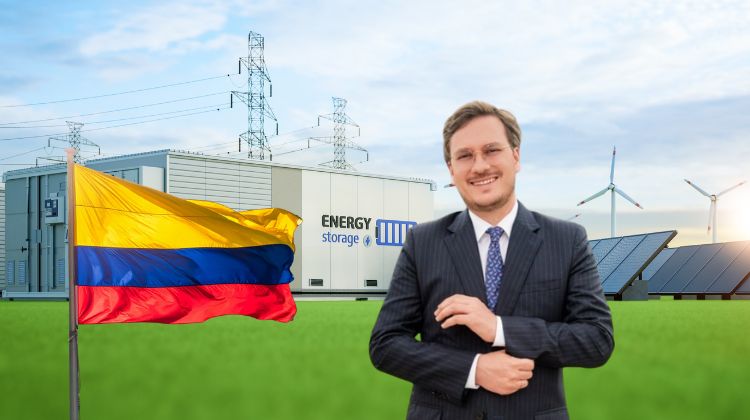
The inclusion of battery energy storage systems in Colombia’s upcoming long-term auction shifts the debate from technology to revenue structure, raising concerns over project finance viability and bankability under the current regulatory framework.
The new framework allows independent aggregators to combine demand, generation and storage to participate in electricity markets, strengthening demand-side response and supporting renewable energy integration in line with EU Directive 2019/944.
Energy consultants say the Federal Electricity Commission’s mixed contracts could accelerate project delivery and unlock investment in renewables and grid infrastructure, as electricity demand is set to rise 3–5% annually.