
Sungrow has announced its partnership with Renewable Power Capital (RPC) to supply its advanced PowerTitan 2.0 liquid-cooled energy storage system for the Kalanti 50MW/100MWh BESS project, located in Uusikaupunki, in the southwest part of Finland.


Sungrow has announced its partnership with Renewable Power Capital (RPC) to supply its advanced PowerTitan 2.0 liquid-cooled energy storage system for the Kalanti 50MW/100MWh BESS project, located in Uusikaupunki, in the southwest part of Finland.
The European Commission has approved a €279 million aid scheme to develop 1,500 MWh of new energy storage facilities in Czechia. Currently, the country has 1.19 GW operational, and with this plan, it aims to strengthen its transition towards a more resilient power grid, reducing dependence on fossil fuels.
e. The 45 MWh system will enhance grid stability, supporting renewable energy integration from wind and solar. Set to be operational by 2025, this project will contribute to a more flexible and reliable national grid while advancing Denmark’s green transition.
It is estimated that with the advance of renewables, the curtailment will reach 5% in 2027-2028, especially affecting nodes in Extremadura and Aragon, while economic surpluses will affect the sector massively. What are the available solutions?
At the Storage and Renewable Leadership Forum, organised by Strategic Energy Corp, Alejandro Pintado, Growatt’s Product Marketing Manager, highlighted the importance of predictive storage and the integration of AI in optimising energy consumption. He also presented Growhome, an intelligent energy ecosystem, and innovative balcony storage solutions aimed at democratising access to solar energy.
Terna will hold the first energy storage auction under the MACSE mechanism with an initial target of 10 GWh for delivery in 2028. A progressive expansion is expected, reaching 50 GWh by 2030, with auctions of 20 GWh in 2029 and 2030.
The storage sector grew by 50% in 2024, with 600,000 new systems installed, consolidating the country as a European leader in the energy transition. This growth is part of a broader expansion across the continent, where projects exceed 66 GW in operation and an announced capacity of over 39 GW.
Enrique De La Cruz, Commercial Director at Gamesa Electric, discussed storage’s impact on the solar industry at the Storage and Renewable Leadership Forum. He highlighted that price cannibalisation in Spain threatens growth, but storage could stabilise revenues and ensure the viability of new projects.
After years of investment, the global battery manufacturing capacity reached 3 TWh in 2024, and over the next five years, production capacity could triple if all announced projects are completed, according to the International Energy Agency (IEA).
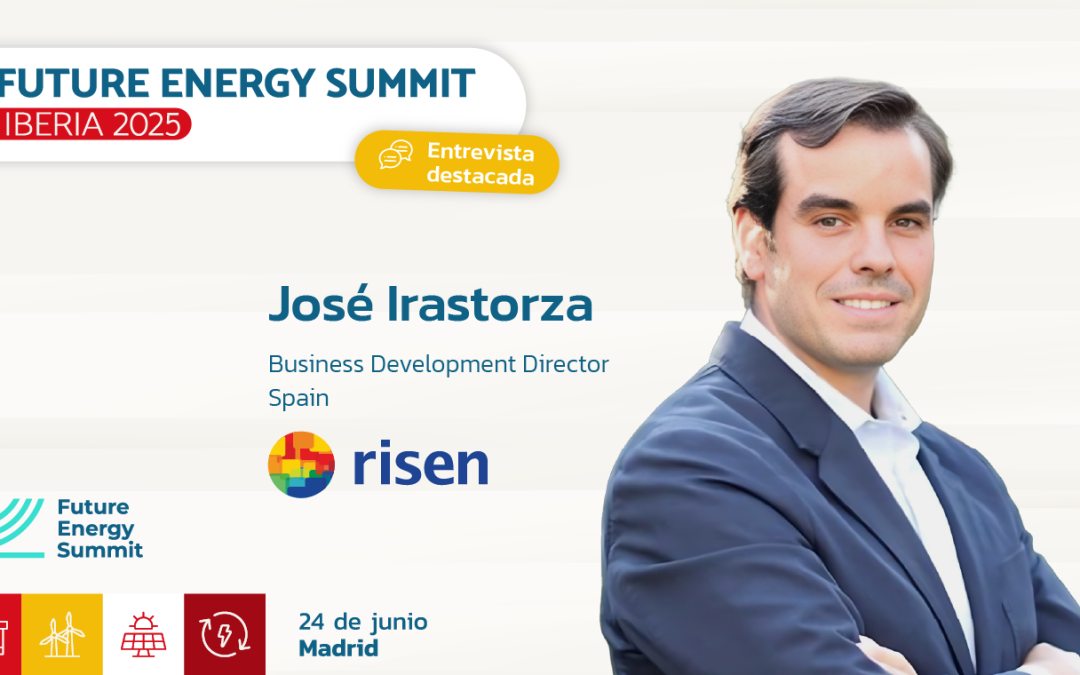
José Antonio Irastorza, Business Development Director at Risen, analyzed the evolution of photovoltaic module prices during the Storage and Renewable Leadership Forum organized by Strategic Energy Corp. “The market is undergoing a major transformation, and investments will depend on the progress of energy storage,” he pointed out.
AEPIBAL shared the latest Open Session where the importance of this technology that will change the rules of the game in the integration of renewables and energy storage into networks was addressed.
The technology continues to gain prominence in the UK energy market, representing 9.15% of the total awarded capacity in the auction and surpassing other renewables and strengthens its role in grid stability. What key trends do these results reveal?
The largest battery site in Europe has commenced operations in the UK. The 200MW/400MWh Blackhillock site in Moray, Scotland, is now live, with a further 100MW scheduled to come online in 2026, making a total of 300MW/600MWh.
Net operating revenues stood at €4.6 billion in 2024, compared to €5.7 billion the previous year, while underlying operating profit (EBIT) decreased to €2.3 billion from €3.6 billion in 2023. This is one of the best EBIT figures in Statkraft’s history, despite significantly lower prices. New wind assets in Spain contributed to the group’s increased production, which reached 66.3 TWh in 2024 (+7%).
On 24 June, Madrid will host FES Iberia 2025, the key event in the renewable sector. Featuring participation from leading companies, a notable presence of Latin American firms, Autonomous Communities, and exclusive panels on offtakers and Southern Europe, this edition is set to establish itself as the must-attend meeting for the energy transition.
With in-house cell development and a focus on efficiency, Jinko Solar accelerates cost reduction in energy storage. “We are implementing technological improvements that allow us to reduce CAPEX and offer a more competitive product,” said Lucía Dólera, Business Development Manager for utility-scale energy storage systems, during the Storage, Renewable and Electric Vehicle Integration Forum.
According to Eusebiu-Valentin Stamate, Policy Analyst at Issue Monitoring, the country is implementing regulatory and investment measures to strengthen transmission infrastructure and ensure system stability. He also points out that energy storage and green hydrogen will be key tools to stabilize the grid and meet the 85% decarbonization target by 2030 and 94% by 2050.
Fiete Wulff, Head of Press and Public Relations at Bundesnetzagentur discusses with Strategic Energy Europe how Germany is accelerating the modernisation and expansion of its power grid to facilitate the integration of renewables. The growth of solar and wind energy demands improvements in digitalisation, storage, and grid stability. However, regulatory and infrastructure planning challenges still persist.
Italy successfully concludes the Capacity Market auction for the 2027 delivery period, awarding a total of 38,641 MW between existing and new capacity. However, the most relevant fact is that the valuation price reached its historic low, set at €47,000/MW/year for national capacity, with even lower values for imported capacity.
At the virtual event organised by Strategic Energy Corp, Rodrigo Ruiz, PV & BESS Sales Director (Iberia) at SolaX, analysed the role of energy storage in Europe’s transition, the need for public policies, and the regulatory challenges that must be addressed. Industry leaders emphasised that BESS and hydrogen are not competing technologies but complementary solutions for a more resilient and efficient energy market.
Héctor Andrés Rodríguez Garnica, PV & BESS Product Manager and Technical Specialist, states that the scheme will boost energy storage and improve the flexibility of the electricity system. Prices are expected to range between €100 and €150 per MWh, with returns between 8% and 12% for investors. Terna S.p.A. has indicated that the auctions will be delayed until September of this year.
Sungrow has announced its partnership with Renewable Power Capital (RPC) to supply its advanced PowerTitan 2.0 liquid-cooled energy storage system for the Kalanti 50MW/100MWh BESS project, located in Uusikaupunki, in the southwest part of Finland.
The European Commission has approved a €279 million aid scheme to develop 1,500 MWh of new energy storage facilities in Czechia. Currently, the country has 1.19 GW operational, and with this plan, it aims to strengthen its transition towards a more resilient power grid, reducing dependence on fossil fuels.
e. The 45 MWh system will enhance grid stability, supporting renewable energy integration from wind and solar. Set to be operational by 2025, this project will contribute to a more flexible and reliable national grid while advancing Denmark’s green transition.
It is estimated that with the advance of renewables, the curtailment will reach 5% in 2027-2028, especially affecting nodes in Extremadura and Aragon, while economic surpluses will affect the sector massively. What are the available solutions?
At the Storage and Renewable Leadership Forum, organised by Strategic Energy Corp, Alejandro Pintado, Growatt’s Product Marketing Manager, highlighted the importance of predictive storage and the integration of AI in optimising energy consumption. He also presented Growhome, an intelligent energy ecosystem, and innovative balcony storage solutions aimed at democratising access to solar energy.
Terna will hold the first energy storage auction under the MACSE mechanism with an initial target of 10 GWh for delivery in 2028. A progressive expansion is expected, reaching 50 GWh by 2030, with auctions of 20 GWh in 2029 and 2030.
The storage sector grew by 50% in 2024, with 600,000 new systems installed, consolidating the country as a European leader in the energy transition. This growth is part of a broader expansion across the continent, where projects exceed 66 GW in operation and an announced capacity of over 39 GW.
Enrique De La Cruz, Commercial Director at Gamesa Electric, discussed storage’s impact on the solar industry at the Storage and Renewable Leadership Forum. He highlighted that price cannibalisation in Spain threatens growth, but storage could stabilise revenues and ensure the viability of new projects.
After years of investment, the global battery manufacturing capacity reached 3 TWh in 2024, and over the next five years, production capacity could triple if all announced projects are completed, according to the International Energy Agency (IEA).
José Antonio Irastorza, Business Development Director at Risen, analyzed the evolution of photovoltaic module prices during the Storage and Renewable Leadership Forum organized by Strategic Energy Corp. “The market is undergoing a major transformation, and investments will depend on the progress of energy storage,” he pointed out.
AEPIBAL shared the latest Open Session where the importance of this technology that will change the rules of the game in the integration of renewables and energy storage into networks was addressed.
The technology continues to gain prominence in the UK energy market, representing 9.15% of the total awarded capacity in the auction and surpassing other renewables and strengthens its role in grid stability. What key trends do these results reveal?
The largest battery site in Europe has commenced operations in the UK. The 200MW/400MWh Blackhillock site in Moray, Scotland, is now live, with a further 100MW scheduled to come online in 2026, making a total of 300MW/600MWh.
Net operating revenues stood at €4.6 billion in 2024, compared to €5.7 billion the previous year, while underlying operating profit (EBIT) decreased to €2.3 billion from €3.6 billion in 2023. This is one of the best EBIT figures in Statkraft’s history, despite significantly lower prices. New wind assets in Spain contributed to the group’s increased production, which reached 66.3 TWh in 2024 (+7%).
On 24 June, Madrid will host FES Iberia 2025, the key event in the renewable sector. Featuring participation from leading companies, a notable presence of Latin American firms, Autonomous Communities, and exclusive panels on offtakers and Southern Europe, this edition is set to establish itself as the must-attend meeting for the energy transition.
With in-house cell development and a focus on efficiency, Jinko Solar accelerates cost reduction in energy storage. “We are implementing technological improvements that allow us to reduce CAPEX and offer a more competitive product,” said Lucía Dólera, Business Development Manager for utility-scale energy storage systems, during the Storage, Renewable and Electric Vehicle Integration Forum.
According to Eusebiu-Valentin Stamate, Policy Analyst at Issue Monitoring, the country is implementing regulatory and investment measures to strengthen transmission infrastructure and ensure system stability. He also points out that energy storage and green hydrogen will be key tools to stabilize the grid and meet the 85% decarbonization target by 2030 and 94% by 2050.
Fiete Wulff, Head of Press and Public Relations at Bundesnetzagentur discusses with Strategic Energy Europe how Germany is accelerating the modernisation and expansion of its power grid to facilitate the integration of renewables. The growth of solar and wind energy demands improvements in digitalisation, storage, and grid stability. However, regulatory and infrastructure planning challenges still persist.
Italy successfully concludes the Capacity Market auction for the 2027 delivery period, awarding a total of 38,641 MW between existing and new capacity. However, the most relevant fact is that the valuation price reached its historic low, set at €47,000/MW/year for national capacity, with even lower values for imported capacity.
At the virtual event organised by Strategic Energy Corp, Rodrigo Ruiz, PV & BESS Sales Director (Iberia) at SolaX, analysed the role of energy storage in Europe’s transition, the need for public policies, and the regulatory challenges that must be addressed. Industry leaders emphasised that BESS and hydrogen are not competing technologies but complementary solutions for a more resilient and efficient energy market.
Héctor Andrés Rodríguez Garnica, PV & BESS Product Manager and Technical Specialist, states that the scheme will boost energy storage and improve the flexibility of the electricity system. Prices are expected to range between €100 and €150 per MWh, with returns between 8% and 12% for investors. Terna S.p.A. has indicated that the auctions will be delayed until September of this year.

Select the sector you
want to know more about
The company has obtained USD 2.65 billion in syndicated bank financing from seven leading international lenders, confirming its capacity to close the transaction on schedule.
At the 2026 Davos Forum, the U.S. president slammed countries buying Chinese wind turbines, while Beijing defended its global renewable leadership. As Europe doubles down on clean energy, a U.S. court decision revives the landmark Empire Wind offshore project.
The country is finalising the regulatory framework for its first large-scale solar auction, aimed at meeting fast-growing power demand and opening a new renewable energy market for private investors.