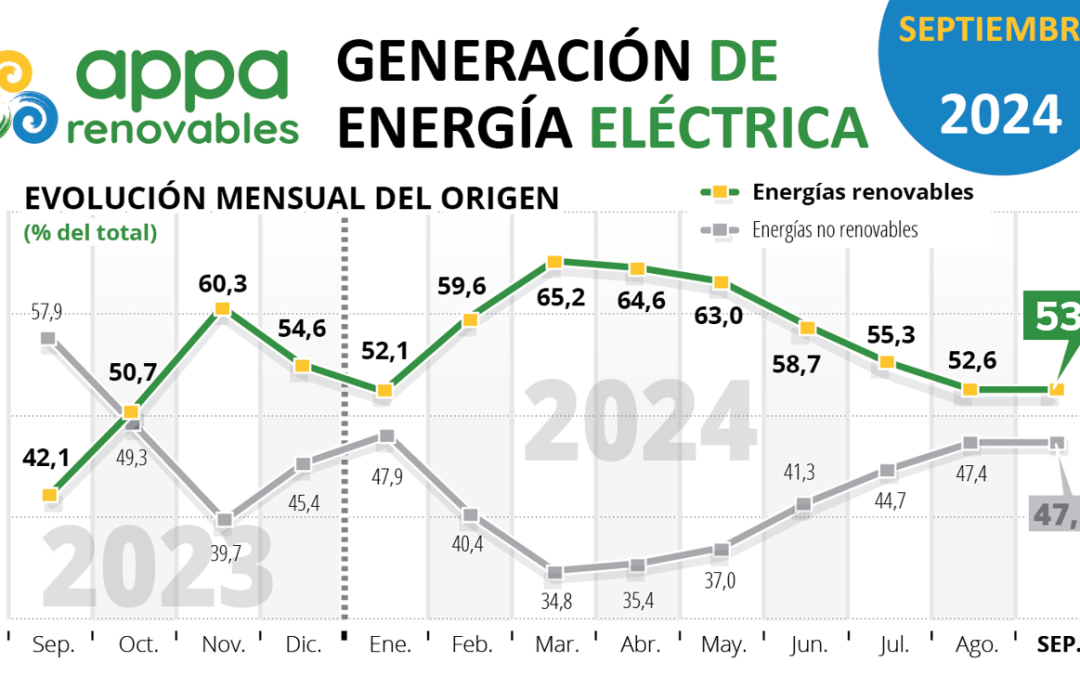

During this month of September, renewables generated 33% more than in the same period of the previous year, accounting for 53% of the monthly mix.


During this month of September, renewables generated 33% more than in the same period of the previous year, accounting for 53% of the monthly mix.
The Provisional Resolution allocates 10.9 million euros to innovative projects in energy flexibility, distributed storage, and battery recycling. Notable initiatives include those from large consortia and startups driving decarbonization and the digitalization of the energy system in Spain.
Luis Marquina, president of the entity, highlights the willingness of the new Deputy Director General for Storage, Fátima García Señán, to coordinate efforts in the development of storage in a dialogue with Energía Estratégica España.
Alberto Rocha points out that having access to updated and dynamic information about grid saturation ensures greater competitiveness for the final price and for investors. He also mentions that this week, the CNMC is expected to publish a document on how to request demand, “obliging distributors to provide information on how much capacity there is at the nodes.”
In the last 12-month period, nearly 57% of electricity in Spain has been renewable, surpassing 50% in each of the months. The strong performance of hydroelectric (+67%) and photovoltaic (+22%) generation has driven renewable electricity production. Wind generation has consolidated itself as the largest producer of electricity (23.8%), while photovoltaics has surpassed 16%.
Ángel Gómez Vallejo analyzes the sector and states: “For large-scale batteries to be built, a market model with long-term contracts ensuring a minimum income is necessary. I believe we are entering a dynamic where the market’s own competitiveness will likely make CfDs unnecessary for public funding, requiring only state support as a long-term offtaker.”
“It’s not enough to set ambitious targets,” says José Luis Bernal Albendín from ITERH, highlighting the need for policies that facilitate renewable energy installation, incentives to promote electric vehicles, and long-term planning to ensure investments arrive on time.
During this month of September, renewables generated 33% more than in the same period of the previous year, accounting for 53% of the monthly mix.
The Provisional Resolution allocates 10.9 million euros to innovative projects in energy flexibility, distributed storage, and battery recycling. Notable initiatives include those from large consortia and startups driving decarbonization and the digitalization of the energy system in Spain.
Luis Marquina, president of the entity, highlights the willingness of the new Deputy Director General for Storage, Fátima García Señán, to coordinate efforts in the development of storage in a dialogue with Energía Estratégica España.
Alberto Rocha points out that having access to updated and dynamic information about grid saturation ensures greater competitiveness for the final price and for investors. He also mentions that this week, the CNMC is expected to publish a document on how to request demand, “obliging distributors to provide information on how much capacity there is at the nodes.”
In the last 12-month period, nearly 57% of electricity in Spain has been renewable, surpassing 50% in each of the months. The strong performance of hydroelectric (+67%) and photovoltaic (+22%) generation has driven renewable electricity production. Wind generation has consolidated itself as the largest producer of electricity (23.8%), while photovoltaics has surpassed 16%.
Ángel Gómez Vallejo analyzes the sector and states: “For large-scale batteries to be built, a market model with long-term contracts ensuring a minimum income is necessary. I believe we are entering a dynamic where the market’s own competitiveness will likely make CfDs unnecessary for public funding, requiring only state support as a long-term offtaker.”
“It’s not enough to set ambitious targets,” says José Luis Bernal Albendín from ITERH, highlighting the need for policies that facilitate renewable energy installation, incentives to promote electric vehicles, and long-term planning to ensure investments arrive on time.

Select the sector you
want to know more about
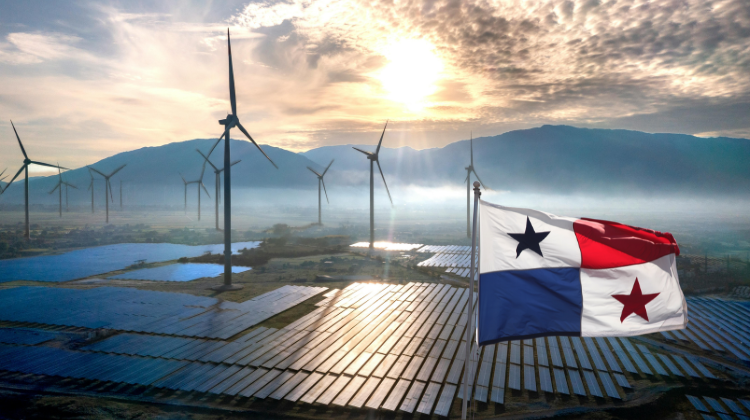
Hydropower remains the backbone of Panama’s electricity system, while private developers dominate installed capacity. With renewable auctions planned from 2026 and power purchase agreements (PPAs) of up to 20 years, the country is reinforcing a long-term, investor-friendly strategy.
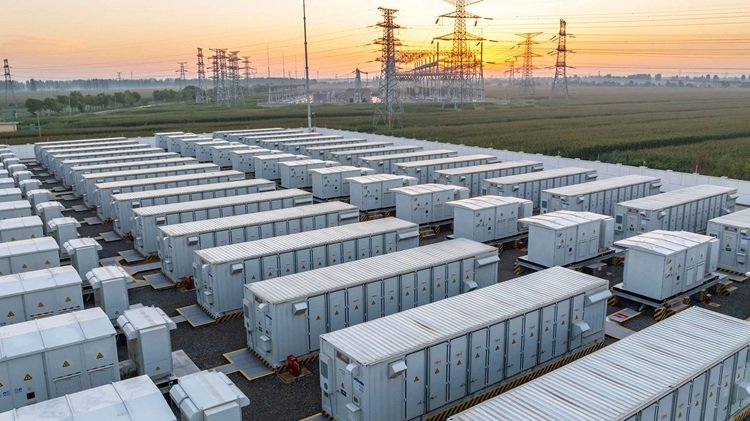
Galicia, Andalusia and the Valencian Community are updating their legal frameworks to prioritise energy storage—particularly when hybridised with renewables—while awarding more than €44 million in public support.
The recommendations were submitted to the National Energy Commission for review and aim to strengthen the electricity system in line with the country’s energy transition.