
The electricity sector and the public still lack an official, detailed explanation of what happened.


The electricity sector and the public still lack an official, detailed explanation of what happened.
The European Data Centre Association drives the sector’s energy transition with an ambitious target: achieving 100% renewable energy consumption by 2030. “Our members currently operate on 94% renewable energy. 12% of that comes from PPAs, and the rest is sourced renewables or through carbon offsets,” notes the Secretary General.
In a context where curtailment can reach up to 70%, 3E is deploying advanced digital twin and machine learning solutions to optimize asset performance and protect long-term value. The company is accelerating its global expansion, aiming to reshape profitability in the renewable energy sector.
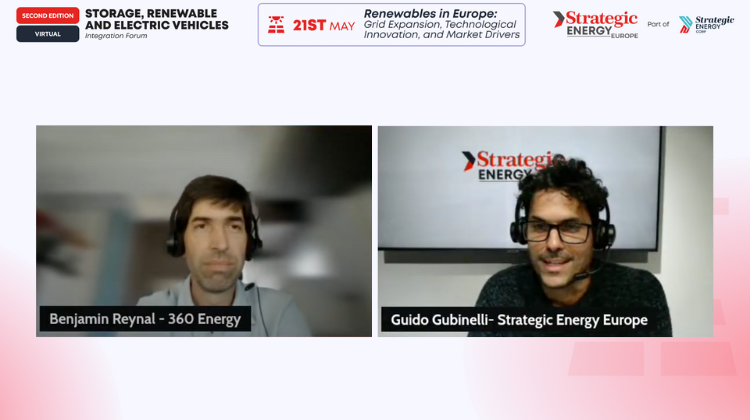
During the second edition of the Storage, Renewable and Electric Vehicles Integration Forum, Benjamín Reynal, Director of Operational Coordination for the Northern Hemisphere at 360Energy, confirmed that storage will be central to all new renewable energy projects. He also highlighted the strategic role of hybridisation, particularly within the framework of the company’s partnership with Stellantis.
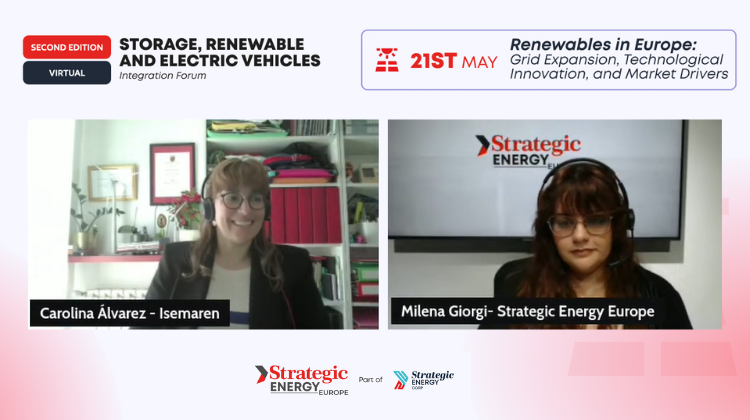
Isemaren outlines how the integration of advanced regulation and control systems is essential to meet the new technical and regulatory requirements for battery storage.
Minister Pichetto: “The ecological transition, if guided with vision and pragmatism, can combine environmental sustainability, economic development, and energy security.”
Of the 28 authorisations granted to Red Eléctrica so far in 2025, 12 were issued this month alone, -immediately following the blackout- while the monthly average in 2024 barely exceeded six resolutions.
In an exclusive interview at Intersolar 2025, GoodWe’s Territority Manager UK & Ireland, highlights the company’s strategic focus on comprehensive storage solutions and its latest product launches, including high-voltage batteries, hybrid inverters, and all-in-one residential systems, to meet the growing demand across all market sectors in the UK.
In April 2025, 22 PPAs were signed for a total of 1,446 MW, 7% less than the previous month. For the first time in years, utility companies surpassed corporates in contract volume. In this context, the European Union and the EIB are activating new guarantees to boost a still fragmented market, according to the latest report from Pexapark.
The new delegated regulation amends the Annex to the Net-Zero Industry Act to incorporate an updated list of specific end products and components considered essential in clean technologies. The measure is based on a rigorous technical assessment and aims to strengthen supply chains in the European Union.
The European Commission adopted Secondary Legislation to the Net-Zero Industry Act (NZIA), which establishes criteria for rewarding sustainability and resilience in renewable energy auctions. “We expect to see the first auctions in 2026 and are calling for premiums to be applied to solar panels manufactured in Europe, because there is no time to waste,” warns SolarPower Europe.
The Ministry for the Ecological Transition and the Demographic Challenge has approved ten renewable energy generation initiatives totalling 780.16 MW, with a strong focus on photovoltaic technology.
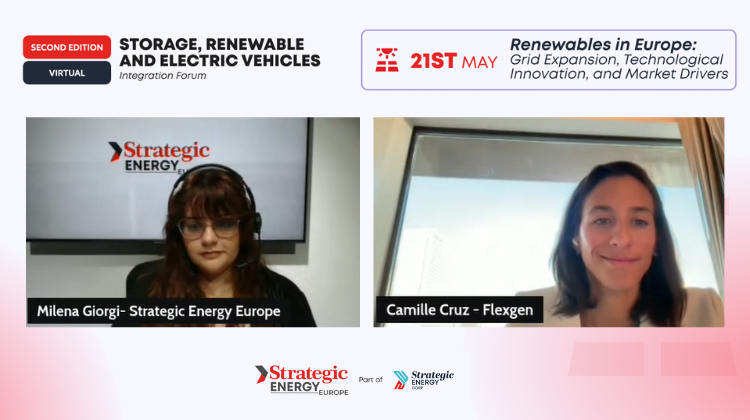
HybridOS, digital twins, and local technical support form the pillars of the plan presented by the US-based firm at the forum organised by Strategic Energy Corp. “The industry is moving towards intelligent and interoperable systems,” stated its representative, Camille Cruz Alfonzo.
France Renouvelables urges structural reforms to align electricity pricing with renewable production peaks, aiming to support industrial competitiveness, boost purchasing power, and enhance energy sovereignty.
During the second edition of the Storage, Renewable and Electric Vehicle Integration Forum, IRENA’s Norella Constantinescu predicted that the decline in solar, wind, and storage energy prices will continue, albeit at a slower pace. She emphasized the global push for batteries, green hydrogen development, and digitalization’s strategic role in energy system efficiency.
Joao Costeira (Repsol), Rocío Sicre (EDP Renewables), Pablo Fernández Vila (Xunta de Galicia), and Carlos Píñar Celestino (Elmya) will participate in the Future Energy Summit Iberia 2025, taking place on June 24 in Madrid. More than 400 energy executives will gather to discuss how to build a more secure, flexible, and resilient energy system.
This Wednesday marks the start of the electric mobility-focused day of the Storage, Renewable and Electric Vehicles Integration Forum – Second Edition, following an opening day highlighted by insights from IRENA, SolarPower Europe, Hydrogen Europe, AELEC, EASE and leading private sector companies. The event continues with strategic analysis on the continent’s energy future.
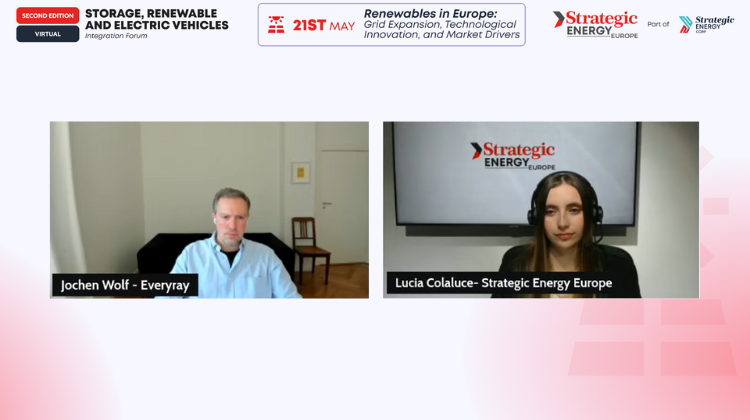
During the Storage, Renewable and Electric Vehicles Integration Forum – Second Edition, Jochen Wolf, Co-Founder of EveryRay, warned that outdated regulations and the lack of digitalisation in electricity grids are limiting the scalability of solar innovation in Europe. “The system is not ready to absorb the renewable potential,” he states.
The platform is the result of a process of dialogue and knowledge exchange between companies, employers, and organizations representing the strategic sectors of our economy and civil society. The alliance is being launched at a crucial moment for Spain, with the aim of strengthening energy autonomy and promoting digitalization, employment, industry, and territorial cohesion through renewable potential.
The Storage, Renewable and Electric Vehicles Integration Forum begins today, bringing together IRENA, leading European energy associations, and top technology providers to outline the region’s path toward 2030. The two-day virtual event is free to attend and will address renewables, battery storage and eMobility in depth.
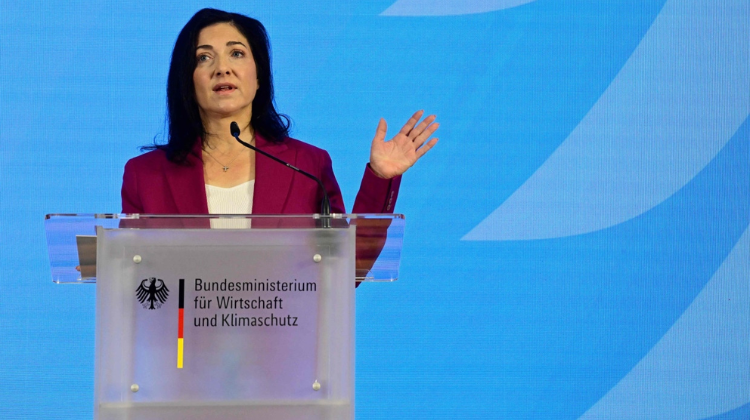
In her inaugural speech, Germany’s new Federal Minister for Economic Affairs and Energy, Katherina Reiche, warned that renewables alone cannot guarantee secure electricity supply, and proposed the swift tendering of up to 20 GW in thermal power plants and grid flexibility measures to stabilise power prices.
The electricity sector and the public still lack an official, detailed explanation of what happened.
The European Data Centre Association drives the sector’s energy transition with an ambitious target: achieving 100% renewable energy consumption by 2030. “Our members currently operate on 94% renewable energy. 12% of that comes from PPAs, and the rest is sourced renewables or through carbon offsets,” notes the Secretary General.
In a context where curtailment can reach up to 70%, 3E is deploying advanced digital twin and machine learning solutions to optimize asset performance and protect long-term value. The company is accelerating its global expansion, aiming to reshape profitability in the renewable energy sector.
During the second edition of the Storage, Renewable and Electric Vehicles Integration Forum, Benjamín Reynal, Director of Operational Coordination for the Northern Hemisphere at 360Energy, confirmed that storage will be central to all new renewable energy projects. He also highlighted the strategic role of hybridisation, particularly within the framework of the company’s partnership with Stellantis.
Isemaren outlines how the integration of advanced regulation and control systems is essential to meet the new technical and regulatory requirements for battery storage.
Minister Pichetto: “The ecological transition, if guided with vision and pragmatism, can combine environmental sustainability, economic development, and energy security.”
Of the 28 authorisations granted to Red Eléctrica so far in 2025, 12 were issued this month alone, -immediately following the blackout- while the monthly average in 2024 barely exceeded six resolutions.
In an exclusive interview at Intersolar 2025, GoodWe’s Territority Manager UK & Ireland, highlights the company’s strategic focus on comprehensive storage solutions and its latest product launches, including high-voltage batteries, hybrid inverters, and all-in-one residential systems, to meet the growing demand across all market sectors in the UK.
In April 2025, 22 PPAs were signed for a total of 1,446 MW, 7% less than the previous month. For the first time in years, utility companies surpassed corporates in contract volume. In this context, the European Union and the EIB are activating new guarantees to boost a still fragmented market, according to the latest report from Pexapark.
The new delegated regulation amends the Annex to the Net-Zero Industry Act to incorporate an updated list of specific end products and components considered essential in clean technologies. The measure is based on a rigorous technical assessment and aims to strengthen supply chains in the European Union.
The European Commission adopted Secondary Legislation to the Net-Zero Industry Act (NZIA), which establishes criteria for rewarding sustainability and resilience in renewable energy auctions. “We expect to see the first auctions in 2026 and are calling for premiums to be applied to solar panels manufactured in Europe, because there is no time to waste,” warns SolarPower Europe.
The Ministry for the Ecological Transition and the Demographic Challenge has approved ten renewable energy generation initiatives totalling 780.16 MW, with a strong focus on photovoltaic technology.
HybridOS, digital twins, and local technical support form the pillars of the plan presented by the US-based firm at the forum organised by Strategic Energy Corp. “The industry is moving towards intelligent and interoperable systems,” stated its representative, Camille Cruz Alfonzo.
France Renouvelables urges structural reforms to align electricity pricing with renewable production peaks, aiming to support industrial competitiveness, boost purchasing power, and enhance energy sovereignty.
During the second edition of the Storage, Renewable and Electric Vehicle Integration Forum, IRENA’s Norella Constantinescu predicted that the decline in solar, wind, and storage energy prices will continue, albeit at a slower pace. She emphasized the global push for batteries, green hydrogen development, and digitalization’s strategic role in energy system efficiency.
Joao Costeira (Repsol), Rocío Sicre (EDP Renewables), Pablo Fernández Vila (Xunta de Galicia), and Carlos Píñar Celestino (Elmya) will participate in the Future Energy Summit Iberia 2025, taking place on June 24 in Madrid. More than 400 energy executives will gather to discuss how to build a more secure, flexible, and resilient energy system.
This Wednesday marks the start of the electric mobility-focused day of the Storage, Renewable and Electric Vehicles Integration Forum – Second Edition, following an opening day highlighted by insights from IRENA, SolarPower Europe, Hydrogen Europe, AELEC, EASE and leading private sector companies. The event continues with strategic analysis on the continent’s energy future.
During the Storage, Renewable and Electric Vehicles Integration Forum – Second Edition, Jochen Wolf, Co-Founder of EveryRay, warned that outdated regulations and the lack of digitalisation in electricity grids are limiting the scalability of solar innovation in Europe. “The system is not ready to absorb the renewable potential,” he states.
The platform is the result of a process of dialogue and knowledge exchange between companies, employers, and organizations representing the strategic sectors of our economy and civil society. The alliance is being launched at a crucial moment for Spain, with the aim of strengthening energy autonomy and promoting digitalization, employment, industry, and territorial cohesion through renewable potential.
The Storage, Renewable and Electric Vehicles Integration Forum begins today, bringing together IRENA, leading European energy associations, and top technology providers to outline the region’s path toward 2030. The two-day virtual event is free to attend and will address renewables, battery storage and eMobility in depth.
In her inaugural speech, Germany’s new Federal Minister for Economic Affairs and Energy, Katherina Reiche, warned that renewables alone cannot guarantee secure electricity supply, and proposed the swift tendering of up to 20 GW in thermal power plants and grid flexibility measures to stabilise power prices.

Select the sector you
want to know more about
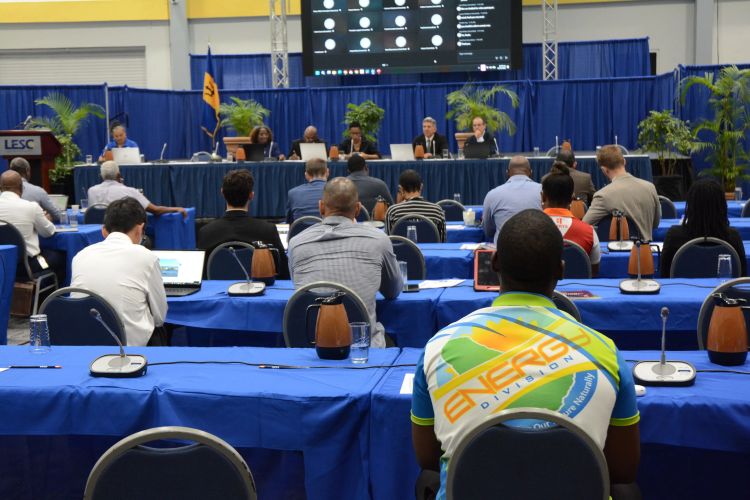
The competitive process will award 60 MW / 240 MWh of battery energy storage systems. It marks the first time Barbados has used price-based competition in its power sector, creating a potential blueprint for other Caribbean markets.
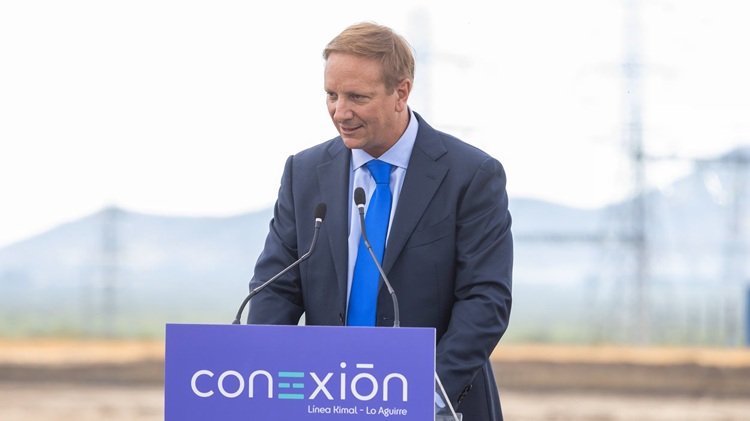
The 1,346-km project led by Conexión Energía will move up to 3 GW from northern Chile to the country’s main demand centre, easing grid congestion and enabling large-scale renewable integration through HVDC technology—used in Chile for the first time.
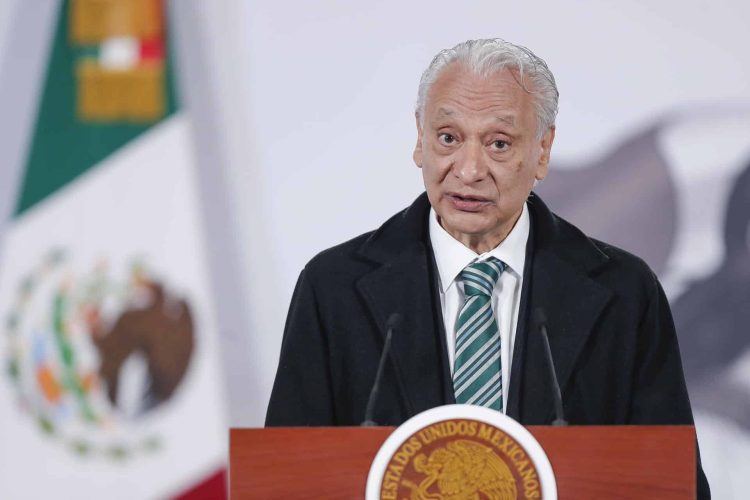
The Mexican state-owned oil company has presented a forward-looking strategy centred on clean energy sources, including offshore wind, geothermal power and green hydrogen, signalling a strategic shift in its long-term business model and Mexico’s energy transition.