
During this month of September, renewables generated 33% more than in the same period of the previous year, accounting for 53% of the monthly mix.


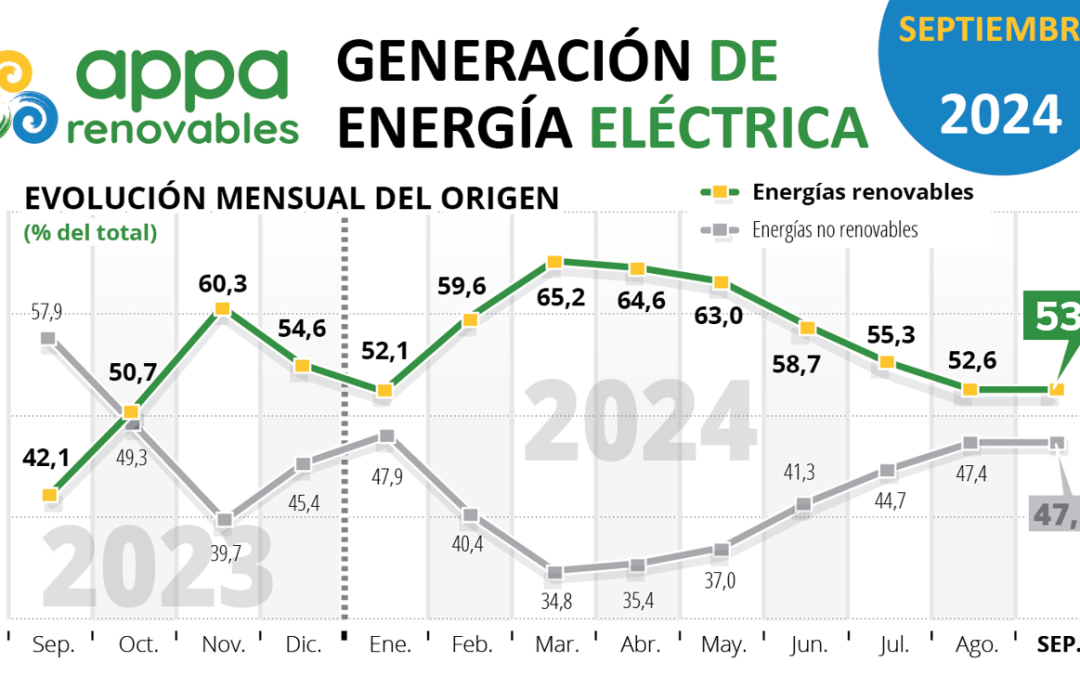
During this month of September, renewables generated 33% more than in the same period of the previous year, accounting for 53% of the monthly mix.
The Socovos II project will involve the installation of 712 solar trackers in single-row and double-row configurations, which will house over 5,300 high-capacity modules. These modules will be designed to generate approximately 68,386,580 kWh of clean energy each year, making a significant contribution to the region’s energy transition.
Alberto Rocha points out that having access to updated and dynamic information about grid saturation ensures greater competitiveness for the final price and for investors. He also mentions that this week, the CNMC is expected to publish a document on how to request demand, “obliging distributors to provide information on how much capacity there is at the nodes.”
With a strong presence in Asturias, Masnorte Renovables is employing various strategies for its clients, from rooftop connections to canopies, where it has begun expanding its reach into electromobility.
In the last 12-month period, nearly 57% of electricity in Spain has been renewable, surpassing 50% in each of the months. The strong performance of hydroelectric (+67%) and photovoltaic (+22%) generation has driven renewable electricity production. Wind generation has consolidated itself as the largest producer of electricity (23.8%), while photovoltaics has surpassed 16%.
By the end of 2023, the EU solar sector housed 826,000 jobs, marking a 27% increase from 2022. This reflects the record 50% growth of the EU’s annual solar market, with over 60 GW installed. However, the annual solar employment report from SolarPower Europe warns that solar job growth will stagnate in 2024, with a projected increase of only 0.4% this year.
“It’s not enough to set ambitious targets,” says José Luis Bernal Albendín from ITERH, highlighting the need for policies that facilitate renewable energy installation, incentives to promote electric vehicles, and long-term planning to ensure investments arrive on time.

During this month of September, renewables generated 33% more than in the same period of the previous year, accounting for 53% of the monthly mix.
The Socovos II project will involve the installation of 712 solar trackers in single-row and double-row configurations, which will house over 5,300 high-capacity modules. These modules will be designed to generate approximately 68,386,580 kWh of clean energy each year, making a significant contribution to the region’s energy transition.
Alberto Rocha points out that having access to updated and dynamic information about grid saturation ensures greater competitiveness for the final price and for investors. He also mentions that this week, the CNMC is expected to publish a document on how to request demand, “obliging distributors to provide information on how much capacity there is at the nodes.”
With a strong presence in Asturias, Masnorte Renovables is employing various strategies for its clients, from rooftop connections to canopies, where it has begun expanding its reach into electromobility.
In the last 12-month period, nearly 57% of electricity in Spain has been renewable, surpassing 50% in each of the months. The strong performance of hydroelectric (+67%) and photovoltaic (+22%) generation has driven renewable electricity production. Wind generation has consolidated itself as the largest producer of electricity (23.8%), while photovoltaics has surpassed 16%.
By the end of 2023, the EU solar sector housed 826,000 jobs, marking a 27% increase from 2022. This reflects the record 50% growth of the EU’s annual solar market, with over 60 GW installed. However, the annual solar employment report from SolarPower Europe warns that solar job growth will stagnate in 2024, with a projected increase of only 0.4% this year.
“It’s not enough to set ambitious targets,” says José Luis Bernal Albendín from ITERH, highlighting the need for policies that facilitate renewable energy installation, incentives to promote electric vehicles, and long-term planning to ensure investments arrive on time.
Select the sector you
want to know more about
The company outlines a flexible expansion strategy to strengthen its presence in strategic Latin American markets, supported by high-efficiency solar PV solutions, local technical support and a long-term vision. By 2026, TCL Solar aims to establish itself as a relevant player within the region’s solar ecosystem.
The approval of the POTEE 2025 plan will unlock around BRL 1 billion in investments in transmission infrastructure over the next four years, strengthening the reliability of Brazil’s national grid.
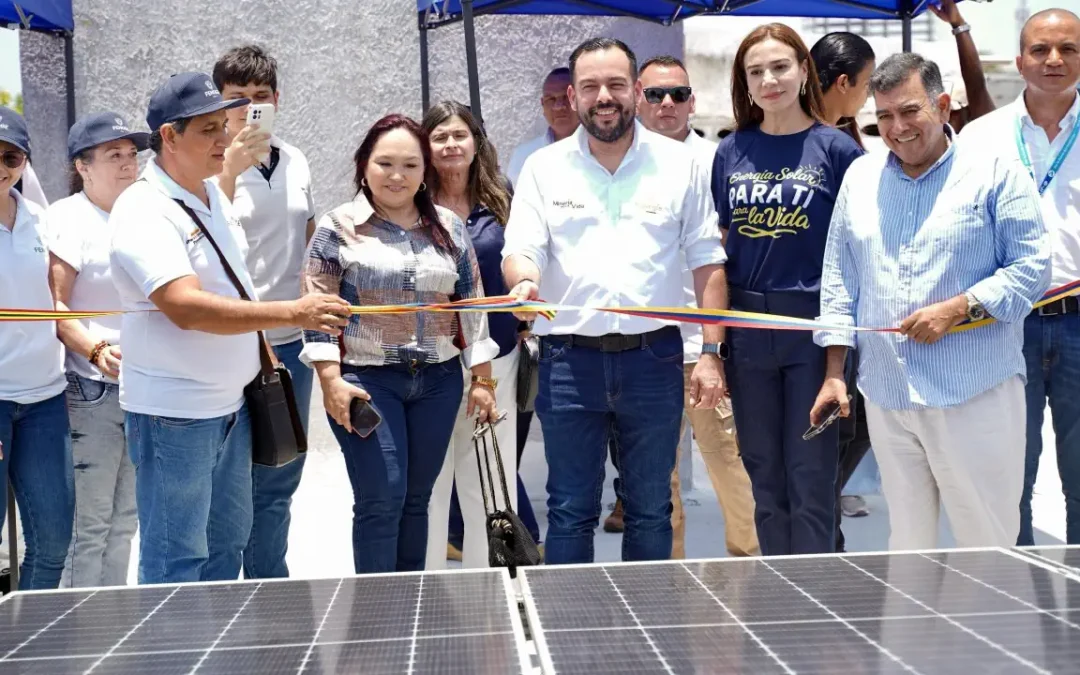
The Ministry of Mines and Energy has set out the regulatory framework for Colombia Solar, enabling low-income households to replace traditional electricity subsidies with rooftop solar generation as part of a just energy transition.