
by Emilia Lardizabal | Apr 2, 2025
Dutch ultra-fast electric vehicle charging infrastructure operator Fastned closed 2024 with the supply of 141 GWh of 100% renewable energy, 40% more than the previous year. With 346 stations in operation and another 226 under construction, the company plans to reach 1,000 stations by 2030 in Europe, tripling its impact on the energy transition.
by Strategic Energy | Apr 2, 2025
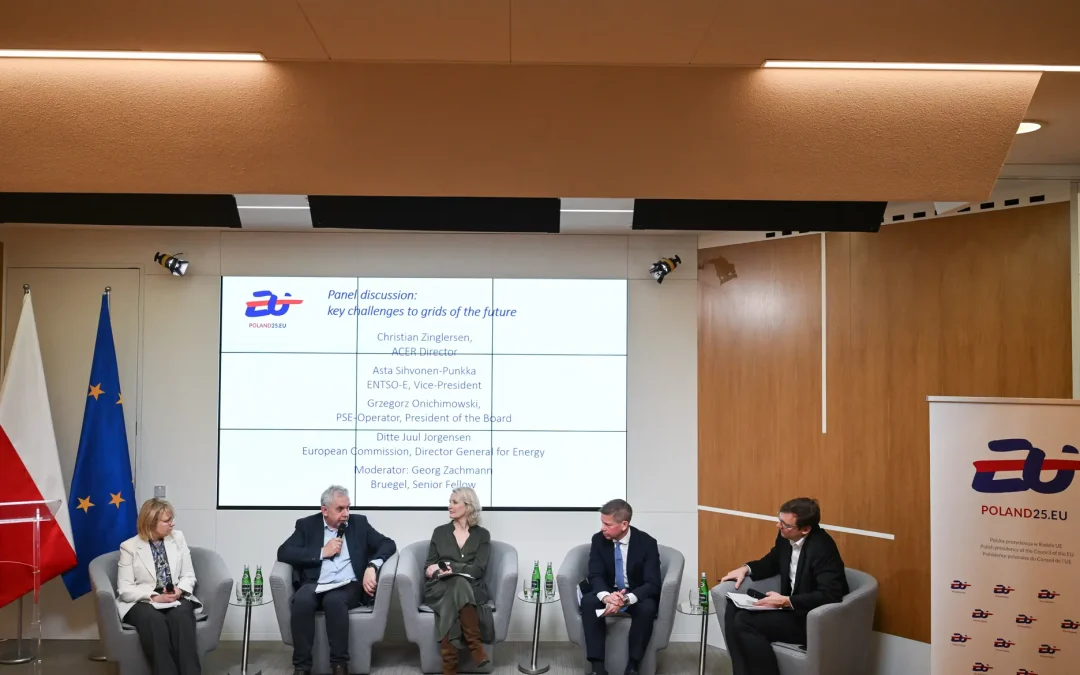
The rapid development of new electricity grids and the optimal use of existing infrastructure are key to a successful EU energy transformation. On 26 March 2025, the Minister of Climate and Environment, Paulina Hennig-Kloska, addressed this topic at the flagship event of the Polish Presidency: Resilient EU grids : ensuring energy security and competitiveness.

by Lucia Colaluce | Apr 2, 2025
With 89 GW of installed capacity as of 2024, Europe is consolidating its energy transition through an unprecedented growth in storage technologies, led by pumped hydro and electrochemical batteries. The EU’s new state aid framework will be key to adding a further 128 GW by 2030, according to the EMMES 9.0 report.

by Emilia Lardizabal | Apr 2, 2025
Europe’s hydrogen market is facing serious hurdles to reach final investment decisions. Despite political momentum, only 4% of global projects reach that milestone, amid major challenges in financing, transparency, and implementation of programs such as IPCEI. Experts from the EIB, EBRD, and companies like Lhyfe reveal what is needed to unlock the value chain.

by Emilia Lardizabal | Mar 31, 2025
During February, 24 power purchase agreements (PPAs) were signed, totaling 679.8 MW—representing a 14% decline in volume and a 4% drop in the number of deals, according to a report by Pexapark. The market is showing signs of cooling, but remains active with innovative structures such as multi-buyer contracts and record-breaking long-term agreements.
by Emilia Lardizabal | Mar 31, 2025
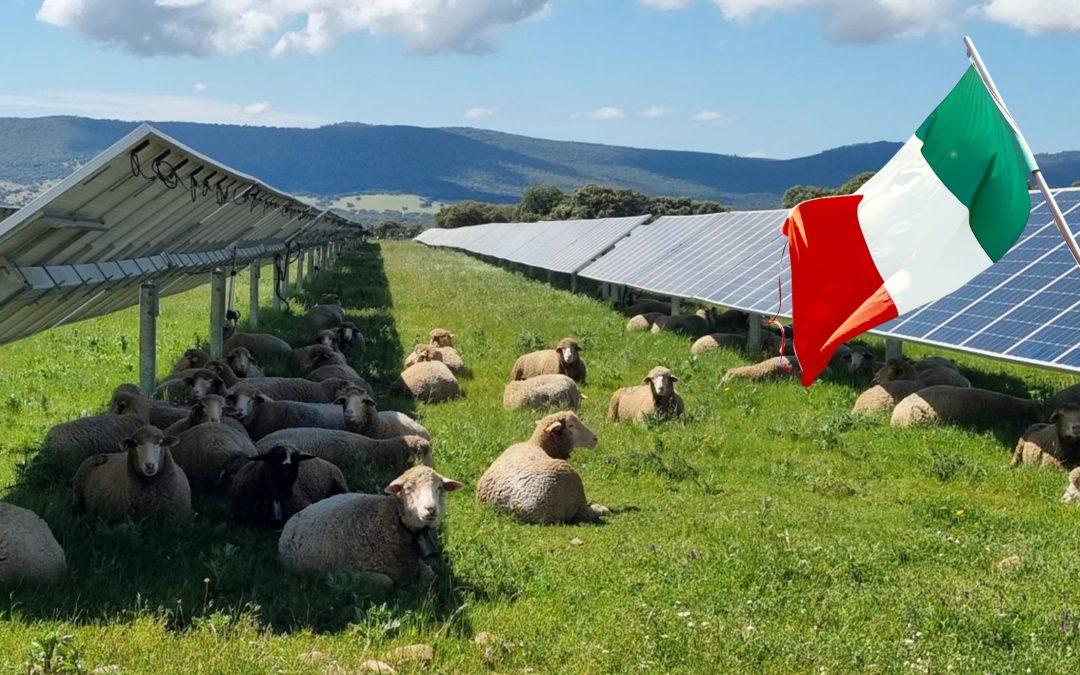
The Ministry of Environment and Energy Security will reactivate the selection process for agrivoltaic systems on April 1. Regulatory adjustments are being made following the limited results of the first call, which allocated only 4% of the planned target.






 April 2, 2025Fastned aims to triple its charging network and plans to distribute 2,000 MWh of charging stations on average by 2030
