
by Milena Giorgi | Oct 25, 2024
The logistical and bureaucratic challenges in the country’s solar expansion are compounded by the need to modernize the electrical grid, as noted by the sector.

by Emilia Lardizabal | Oct 25, 2024
The German regulator BNetzA has greenlit the central hydrogen network, which will span 9,040 km. The estimated investment is 18.9 billion euros, with a transport potential of 278 TWh of hydrogen, driving the energy transition in Europe and strengthening connections with other countries.

by Lucia Colaluce | Oct 25, 2024
The expansion of solar energy in Poland has been remarkable, reaching nearly 20,000 MW in 2024, in contrast to the 21 MW in 2014. This is due to initiatives framed within the EPP2040, which aims to reduce dependence on coal and increase the share of renewable sources, aligning with the European Union’s climate goals.

by Energía Estratégica | Oct 25, 2024
Measures that, they highlight, are necessary to meet the objectives of the PNIEC. Comparing the closure of the third quarter of this year with that of last year, self-consumption has decreased by 15%, dropping by 22% in the industrial sector, 5% in the residential sector, and 1% in the commercial sector.
by Milena Giorgi | Oct 24, 2024
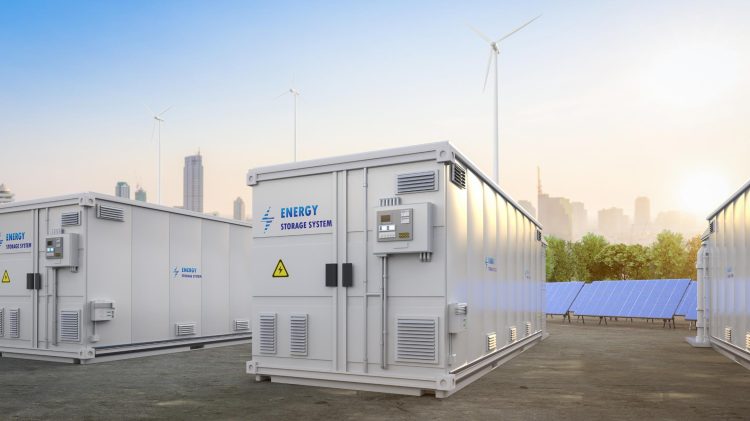
As described, this is possible thanks to the optimization of charge and discharge cycles, with the replacement of lithium cells after 10 years, improving returns without incurring new fixed costs. Additionally, they warn that hybridization with batteries is only profitable in a few cases.

by Milena Giorgi | Oct 24, 2024
Drawing from the challenges in Galicia, the association highlights the importance of early and continuous dialogue with local communities to ensure the success of renewable projects.

by Emilia Lardizabal | Oct 24, 2024
Antonio Delgado Rigal, CEO of Aleasoft, points out that during the first twenty days of October, the average energy price in Greece was 83.8 €/MWh, with hourly values fluctuating between 0.04 €/MWh and 268.9 €/MWh. He also states that the country has accelerated the integration of renewable sources, such as solar and wind, and is promoting storage technologies to balance supply and demand in order to avoid price spikes.

by Energía Estratégica | Oct 24, 2024
Fusion for Energy (F4E), along with industrial partners, has completed the first sector of the ITER vacuum chamber, a key milestone in the largest international nuclear fusion project. After ten years of work, Europe will deliver five of the nine sectors required.

by Milena Giorgi | Oct 24, 2024
Some of the highlighted innovations such as ARIEMA’s alkaline electrolysis, LOMARTOV’s advanced storage, AICIA’s microgrids, and AJUSA’s PEM fuel cells are positioning Spain as a leader in renewable hydrogen for energy and transportation.

by Emilia Lardizabal | Oct 23, 2024
The Sustainable Renewable Energy Association (APERS) reports that there is currently 3.4 GW of installed wind power and 1.5 GW of photovoltaic solar power in Romania. The Romanian government aims to reach 7 GW of wind and 6 GW of solar energy by 2030, as part of the Energy and Climate Plan. This means that 450 MW of wind and 560 MW of photovoltaic solar power need to be installed annually through the end of the decade.






 October 25, 2024The obstacles to reaching 20.4 GW of solar in Portugal by 2030


