










Colombia has published Decree No. 0393/2026, which for the first time sets out guidelines for integrating energy storage systems (ESS) into both the National Interconnected System (SIN) and Non-Interconnected Zones (ZNI).
The new framework not only enables the deployment of these technologies but also defines their role in system planning and opens the door to their remuneration within the electricity market—an essential step to unlock investment in energy storage.
“Colombia is taking a structural step towards energy reliability. This is not just another decree; it is the missing enabler,” said Diego Fernando Román, Director of Energy at the Ministry of Mines and Energy.
From a regulatory standpoint, the decree establishes the conditions for the integration and remuneration of ESS, consolidating their recognition as a strategic infrastructure within the energy system.
This measure signals a shift for Colombia’s power sector—from conceptual discussions to concrete implementation—at a time of growing renewable energy penetration that demands greater operational flexibility and grid integration solutions.
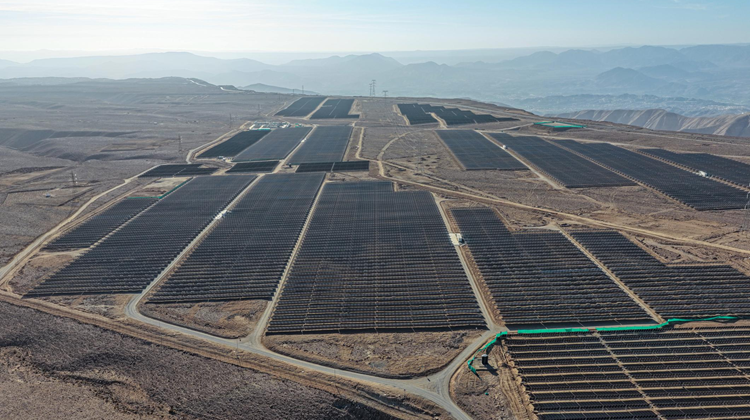
The regulation comes at a critical moment. Colombia currently exceeds 3 GW of installed solar PV capacity, with utility-scale projects playing an increasingly significant role in the generation mix. This expansion heightens the need for flexible resources to manage variability.
At the same time, the renewable energy pipeline has already reached 4.2 GW under development. However, the system itself acknowledges that at least 6 GW of additional capacity will be required to meet future demand and ensure reliability—further reinforcing the need for solutions such as battery energy storage systems (BESS).
Key capabilities recognised under the decree
- Frequency regulation
- Voltage control
- Fast response services
- Black start capability
- Energy arbitrage to optimise costs through price management
The decree is particularly relevant for Non-Interconnected Zones, where energy storage can transform electricity service delivery, improving reliability and expanding available technological solutions.
Implementation roadmap and market signals
The regulatory framework also sets out a clear implementation roadmap, providing strong signals to investors and market participants:
- The Energy and Gas Regulatory Commission (CREG) must define remuneration mechanisms within 12 months
- The Mining and Energy Planning Unit (UPME), together with the Ministry, will incorporate storage into expansion plans
- A backstop mechanism allows the Ministry to act in case of regulatory delays, ensuring effective implementation
In parallel, Colombia has advanced Resolution 40178 of 2026, which establishes general rules for long-term contracting of clean energy—introducing a structural shift in the electricity market.
Unlike the decree, which focuses on public policy guidelines for integrating ESS, the resolution addresses market design, enabling storage to participate in competitive mechanisms such as auctions.
The new framework allows long-term contracts of up to 15 years and broadens auction scope to include not only generation but also storage as part of integrated energy solutions—reshaping the traditional logic of Colombia’s power market.
Recent regulatory signals already indicate that BESS are becoming either a requirement or a competitive advantage in auctions, aligning with the system’s need for firm and dispatchable capacity.
While different in nature, both instruments are complementary: the decree enables and defines the role of storage, while the resolution creates the market conditions for its deployment and financing.