
Solar, wind, and battery storage costs will keep falling, with reductions of up to 11% in 2025. China leads this trend, but Western protectionism may slow the decline of renewables.


Solar, wind, and battery storage costs will keep falling, with reductions of up to 11% in 2025. China leads this trend, but Western protectionism may slow the decline of renewables.
Amazon has been named the top corporate buyer of renewable energy in the European market, having invested in more than 230 solar and wind projects across Europe to date. More than 46 new projects have been added in 2024 across countries including Spain, Portugal, UK, Greece, Italy and Finland.
The French automotive company Snop has selected EDP to develop solar power plants at its facilities in France, Spain, and Germany, accelerating its sustainability goals. This partnership also strengthens EDP’s position as a leader in decentralized solar energy in Europe and enhances its ability to serve multinational clients seeking such solutions across different markets.
The recent Contracts for Difference (CfD) auction in Romania left more than 1,200 MW of renewable capacity—mainly solar—without subsidies. While wind developers secured contracts at competitive prices, solar projects are now looking for alternatives in the corporate and cross-border PPA markets. The key question remains: are there enough buyers to absorb this volume? Imre Vass analyzes PPA market trends in a conversation with Strategic Energy Europe.
The European Commission warns of the urgent need for investment in electricity grids, hydrogen, and CO₂ storage to sustain the energy transition. More than 50% of the investment is concentrated in Germany, France, and the Netherlands.
France is driving its industrial decarbonization strategy with financial incentives and strict regulations. Noémie Papon, Director of energy and decarbonation projects at GreenFlex, details the key aspects of the process, the most polluting sectors, and the renewable energies that are transforming the industry.
The UK solar industry warns that current energy policies could stall solar and battery storage development after 2030, jeopardising £26 billion in investments. Solar Energy UK’s letter urges the Government to revise capacity limits to prevent higher energy costs and a potential industry slowdown.
Industry sources warn that there is little room left to lower investment costs, and instead, a growth trend of between 5% and 10% is being observed.
With its first international project finance agreement, R. Power strengthens its presence in the European renewable energy market. The €38.6 million financing from CaixaBank and BPI will support the development of solar plants with a total capacity of 68 MWp, including new constructions and asset refinancing.
With €426 million in clean tech investments, the Iberian Peninsula is emerging as a key European hub. Despite record-breaking early-stage funding, growth-stage investments remain a challenge. Ambitious policy updates in Spain and Portugal signal a commitment to green reindustrialization, but strategic action is needed to secure long-term competitiveness. As the Clean Industrial Deal launches in 2025, will Iberia capitalize on its momentum and establish itself as a clean tech powerhouse?
In an interview with Strategic Energy Europe, Romania’s Ministry of Energy highlighted a record-breaking year in 2024, with the addition of 1,200 MW of new energy capacity, 700 MW of which came from renewable sources. As part of this progress, 333 MW were connected in December, stemming from 116 awarded projects. Looking ahead to 2025, the country aims to double this capacity, strengthening its commitment to renewable expansion and modernizing its electricity infrastructure.
With a record 62.7% of renewable energy in its electricity mix, Germany is making strong progress in renewables. However, Irina Peltegova, Senior Green Power Market Analyst at Veyt, tells Strategic Energy Europe that the country faces key challenges in storage, price volatility, and new renewable energy support schemes. PPAs are emerging as an increasingly attractive alternative for the sector.
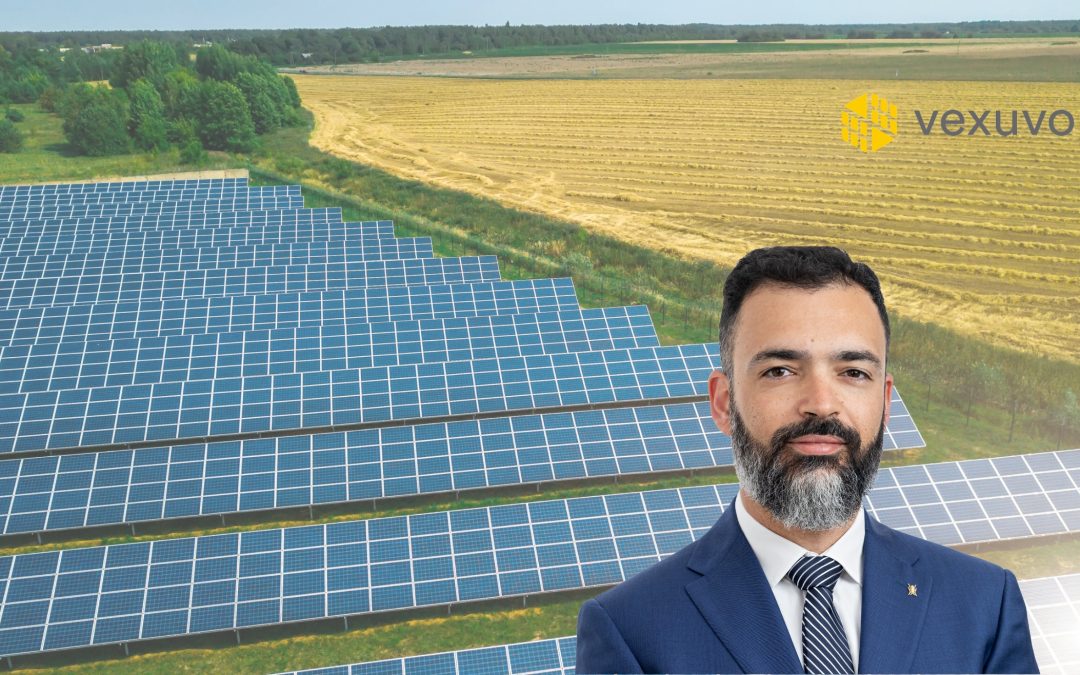
With about 3 GW of renewable projects under development and an innovative approach to agrivoltaics and storage, Filippo Fontana, Coo of vexuvo, details how the Italian company is consolidating its position in the market, overcoming regulatory challenges, with concrete plans to start construction of its first plants in 2025 and achieve sustained growth until 2028.

The trend of PPAs in Romania has tripled its contract volume in 2024, with prices ranging between 65 and 85 €/MWh. However, according to Corina Melchor, Senior Clean Energy Advisor at Trio Advisory, regulatory uncertainty and the low liquidity of the market present challenges for the sustained growth of long-term power purchase agreements.
The Planning Inspectorate of the UK Government is overseeing the progress of 35 GW of renewable energy projects, reflecting a strategic push aligned with the National Energy Plan (Net Zero). Leading companies in the sector are spearheading initiatives in offshore wind, solar, and emerging technologies, securing multi-billion-pound investments and making a significant impact on the UK’s energy mix. At the bottom of the page, the full list of renewable projects is available.
Italy introduces regulatory changes to accelerate renewable energy permits. However, Eugenio Tranchino, Head of Italy and Partner at Watson Farley & Williams, states that the slow granting of permits and administrative inefficiency remain obstacles that jeopardize the achievement of the 2030 climate goals.
The UK government is moving forward with its Clean Power 2030 Action Plan and preparing for the AR7 auction, which will be crucial for the development of wind and solar energy in the country. A record capacity of new generation is expected in a year that will shape the energy transition. Kumara Rathnam, Senior Analyst at Veyt, shared his perspective with Strategic Energy Europe on the challenges and opportunities facing the sector.
Regulatory uncertainty, surging energy demand from data centres, manufacturing sector transformation, and technological revolution will redefine Europe’s solar market in 2025.
Amazon has already facilitated the generation of over 66,000 gigawatt-hours (GWh) of renewable energy from Iberdrola worldwide under the PPA agreements. In 2024, Iberdrola successfully migrated a wide range of applications to AWS, including its Renewable Operations and Maintenance ecosystem, DOMINA.
The Net Zero Industry Act (NZIA) promotes the incorporation of non-economic criteria in renewable energy auctions across Europe. In Spain, auctions have been stalled since 2022, while the sector analyzes how to adapt the mechanism to incentivize local production without compromising competitiveness.
The United Kingdom reached a record price of €1,159/MWh on January 22nd, highlighting the flaws of an energy system dependent on gas and disconnected from Europe. Meanwhile, on the continent, prices remained between €159 and €180/MWh, emphasizing the advantages of integration and flexibility in electricity markets. Sofía Núñez Mier and Julio Del Pino shared their perspective on this issue with Strategic Energy Europe.

Solar, wind, and battery storage costs will keep falling, with reductions of up to 11% in 2025. China leads this trend, but Western protectionism may slow the decline of renewables.
Amazon has been named the top corporate buyer of renewable energy in the European market, having invested in more than 230 solar and wind projects across Europe to date. More than 46 new projects have been added in 2024 across countries including Spain, Portugal, UK, Greece, Italy and Finland.
The French automotive company Snop has selected EDP to develop solar power plants at its facilities in France, Spain, and Germany, accelerating its sustainability goals. This partnership also strengthens EDP’s position as a leader in decentralized solar energy in Europe and enhances its ability to serve multinational clients seeking such solutions across different markets.
The recent Contracts for Difference (CfD) auction in Romania left more than 1,200 MW of renewable capacity—mainly solar—without subsidies. While wind developers secured contracts at competitive prices, solar projects are now looking for alternatives in the corporate and cross-border PPA markets. The key question remains: are there enough buyers to absorb this volume? Imre Vass analyzes PPA market trends in a conversation with Strategic Energy Europe.
The European Commission warns of the urgent need for investment in electricity grids, hydrogen, and CO₂ storage to sustain the energy transition. More than 50% of the investment is concentrated in Germany, France, and the Netherlands.
France is driving its industrial decarbonization strategy with financial incentives and strict regulations. Noémie Papon, Director of energy and decarbonation projects at GreenFlex, details the key aspects of the process, the most polluting sectors, and the renewable energies that are transforming the industry.
The UK solar industry warns that current energy policies could stall solar and battery storage development after 2030, jeopardising £26 billion in investments. Solar Energy UK’s letter urges the Government to revise capacity limits to prevent higher energy costs and a potential industry slowdown.
Industry sources warn that there is little room left to lower investment costs, and instead, a growth trend of between 5% and 10% is being observed.
With its first international project finance agreement, R. Power strengthens its presence in the European renewable energy market. The €38.6 million financing from CaixaBank and BPI will support the development of solar plants with a total capacity of 68 MWp, including new constructions and asset refinancing.
With €426 million in clean tech investments, the Iberian Peninsula is emerging as a key European hub. Despite record-breaking early-stage funding, growth-stage investments remain a challenge. Ambitious policy updates in Spain and Portugal signal a commitment to green reindustrialization, but strategic action is needed to secure long-term competitiveness. As the Clean Industrial Deal launches in 2025, will Iberia capitalize on its momentum and establish itself as a clean tech powerhouse?
In an interview with Strategic Energy Europe, Romania’s Ministry of Energy highlighted a record-breaking year in 2024, with the addition of 1,200 MW of new energy capacity, 700 MW of which came from renewable sources. As part of this progress, 333 MW were connected in December, stemming from 116 awarded projects. Looking ahead to 2025, the country aims to double this capacity, strengthening its commitment to renewable expansion and modernizing its electricity infrastructure.
With a record 62.7% of renewable energy in its electricity mix, Germany is making strong progress in renewables. However, Irina Peltegova, Senior Green Power Market Analyst at Veyt, tells Strategic Energy Europe that the country faces key challenges in storage, price volatility, and new renewable energy support schemes. PPAs are emerging as an increasingly attractive alternative for the sector.
With about 3 GW of renewable projects under development and an innovative approach to agrivoltaics and storage, Filippo Fontana, Coo of vexuvo, details how the Italian company is consolidating its position in the market, overcoming regulatory challenges, with concrete plans to start construction of its first plants in 2025 and achieve sustained growth until 2028.

The trend of PPAs in Romania has tripled its contract volume in 2024, with prices ranging between 65 and 85 €/MWh. However, according to Corina Melchor, Senior Clean Energy Advisor at Trio Advisory, regulatory uncertainty and the low liquidity of the market present challenges for the sustained growth of long-term power purchase agreements.
The Planning Inspectorate of the UK Government is overseeing the progress of 35 GW of renewable energy projects, reflecting a strategic push aligned with the National Energy Plan (Net Zero). Leading companies in the sector are spearheading initiatives in offshore wind, solar, and emerging technologies, securing multi-billion-pound investments and making a significant impact on the UK’s energy mix. At the bottom of the page, the full list of renewable projects is available.
Italy introduces regulatory changes to accelerate renewable energy permits. However, Eugenio Tranchino, Head of Italy and Partner at Watson Farley & Williams, states that the slow granting of permits and administrative inefficiency remain obstacles that jeopardize the achievement of the 2030 climate goals.
The UK government is moving forward with its Clean Power 2030 Action Plan and preparing for the AR7 auction, which will be crucial for the development of wind and solar energy in the country. A record capacity of new generation is expected in a year that will shape the energy transition. Kumara Rathnam, Senior Analyst at Veyt, shared his perspective with Strategic Energy Europe on the challenges and opportunities facing the sector.
Regulatory uncertainty, surging energy demand from data centres, manufacturing sector transformation, and technological revolution will redefine Europe’s solar market in 2025.
Amazon has already facilitated the generation of over 66,000 gigawatt-hours (GWh) of renewable energy from Iberdrola worldwide under the PPA agreements. In 2024, Iberdrola successfully migrated a wide range of applications to AWS, including its Renewable Operations and Maintenance ecosystem, DOMINA.
The Net Zero Industry Act (NZIA) promotes the incorporation of non-economic criteria in renewable energy auctions across Europe. In Spain, auctions have been stalled since 2022, while the sector analyzes how to adapt the mechanism to incentivize local production without compromising competitiveness.
The United Kingdom reached a record price of €1,159/MWh on January 22nd, highlighting the flaws of an energy system dependent on gas and disconnected from Europe. Meanwhile, on the continent, prices remained between €159 and €180/MWh, emphasizing the advantages of integration and flexibility in electricity markets. Sofía Núñez Mier and Julio Del Pino shared their perspective on this issue with Strategic Energy Europe.
Select the sector you
want to know more about
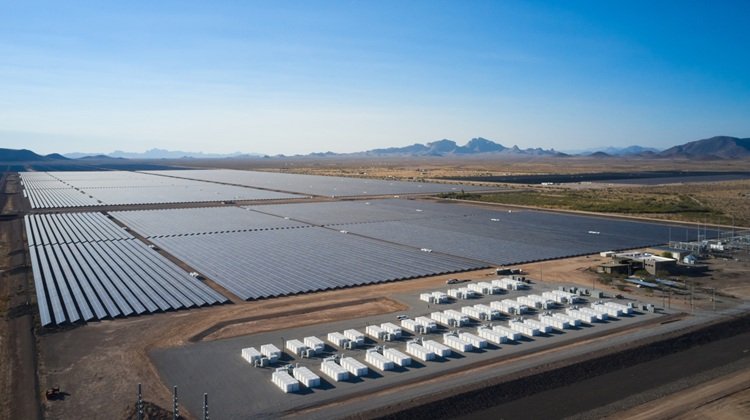
The Pita Solar photovoltaic park will deliver 192.4 MW of solar PV paired with five-hour battery storage in Tarapacá, marking the company’s second hybrid project approved in under a year.
Marco Vera warns that regulatory uncertainty is deterring new generation and calls for rescheduling the tender to preserve investor confidence and enable technology complementarity.
The national government is preparing to launch a clean energy tender in the coming weeks, to run in parallel with the reliability charge auction. Developers remain cautious due to the lack of clarity on capacity volumes and auction rules.