
Cape Verde has launched an international public tender to install photovoltaic systems in water wells and pumping stations, as part of an innovative debt conversion agreement with Portugal.


Cape Verde has launched an international public tender to install photovoltaic systems in water wells and pumping stations, as part of an innovative debt conversion agreement with Portugal.
The raw data for demand shows a decrease of 2.1%, but it is strongly influenced by the comparison with a leap year; photovoltaic production is up (+10.4%) as well as thermal production (+21.3%); in 2024, electricity consumption in the services sector is expected to grow by +4%.
Established under Horizon Europe Strategic Plan 2025-2027, , these partnerships will drive growth, sustainability and resilience, contributing to a strong, inclusive and globally competitive Europe.
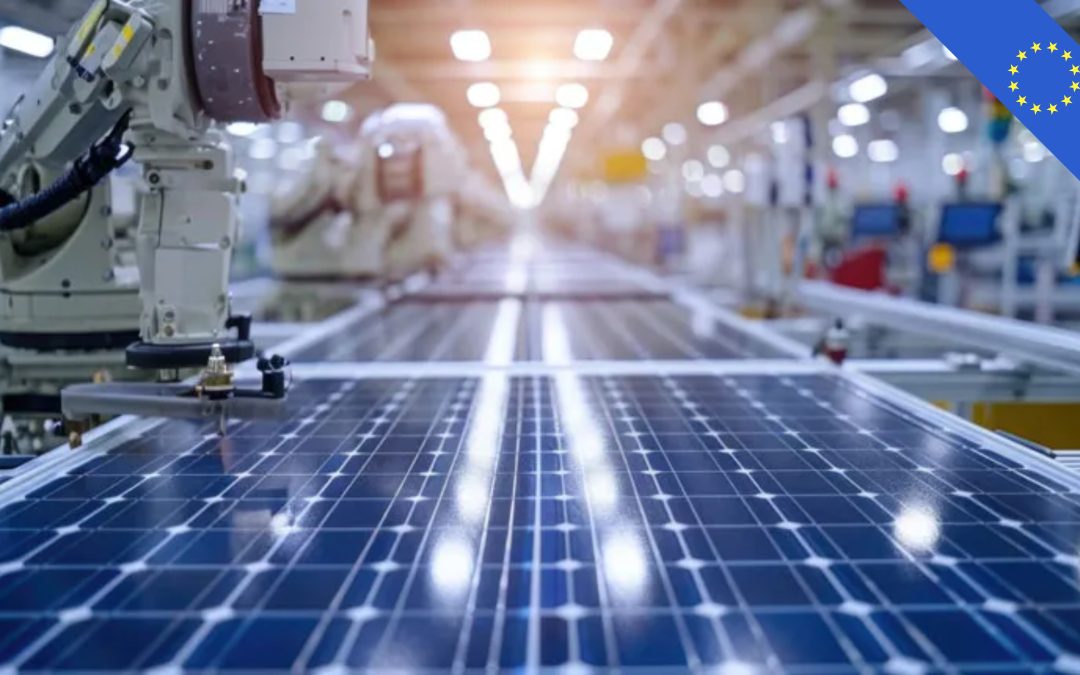
The initiative proposes a transformation in the European photovoltaic industry through the use of copper instead of silver, silicon wafer production without polysilicon, and the application of AI in manufacturing. Empower, composed of 24 partners across nine countries, aims to reduce costs and enhance the competitiveness of the solar sector in Europe.
Carlos Hernández, Operations Manager at Forte Renewables, warns that lengthy permitting processes, financial uncertainty, and supply chain dependency are hindering the growth of renewable energy in Europe. During his participation in the forum organised by Strategic Energy Corp, the executive emphasised the need to adopt technological and regulatory solutions to ensure the long-term viability of projects.
Portugal will reach 81.2% renewable generation by February 2025. Hugo Silva highlights that PPAs are driving solar investment, while the new Energy Communities law facilitates public access. Storage and grids are the next challenges.
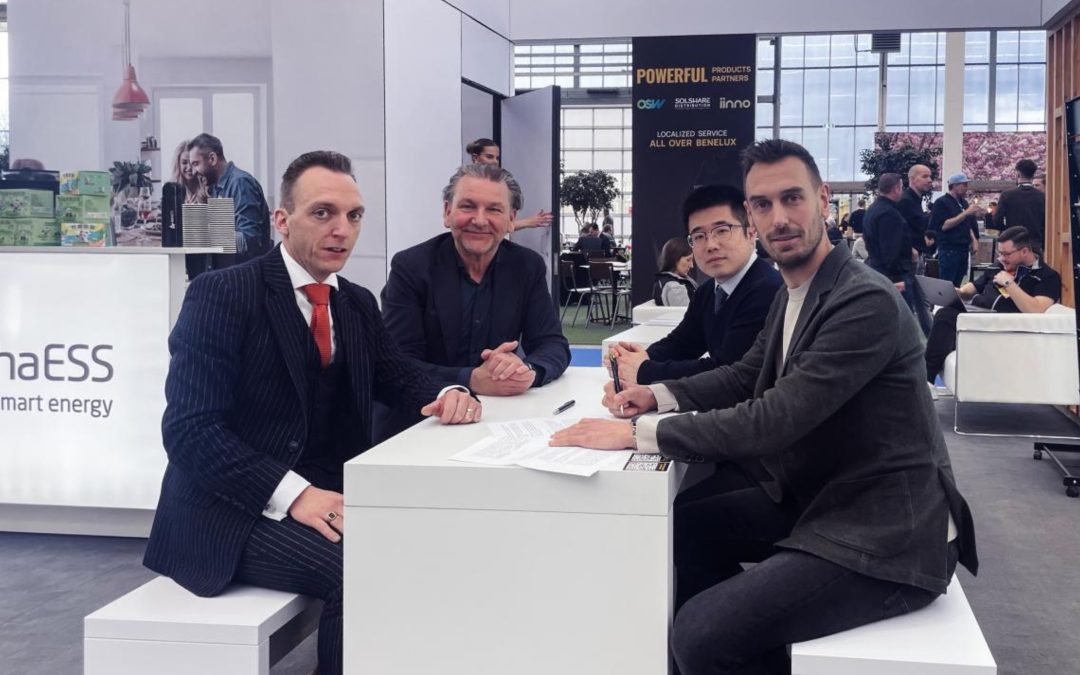
This agreement, established in partnership with OSW Netherlands, marks a significant step toward strengthening the supply of high-efficiency modules in the Dutch market.
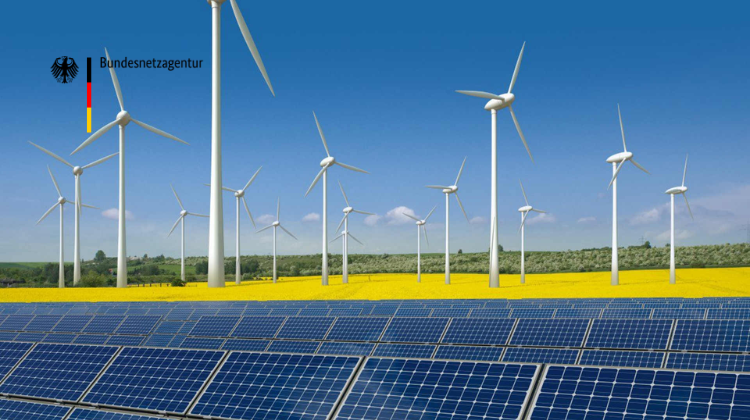
In February 2025, Germany added 1,538 MW of renewable capacity, with solar photovoltaic accounting for 90% of the growth and onshore wind consolidating its recovery. According to the Bundesnetzagentur, the country is maintaining an expansion rate that brings it closer to its targets of 215 GW of solar and 115 GW of onshore wind by 2030.
In February 2025, 81.2% of Portugal’s electricity came from renewables, though generation fell by 5.1% due to lower wind production. Electricity prices rose by 77.6%, increasing reliance on imports. Emissions remained low, driven by strong hydropower generation.
The advancement of agrivoltaics requires greater versatility and new regulations. The company is committed to diversification, efficiency, and global manufacturing to remain competitive in a market impacted by Chinese pressure and trade changes in the United States.
Grid dispatch curtailment on solar energy have increased exponentially this year, impacting renewable energy development in the country. Preliminary data from EirGrid reveal that this trend is driven by network limitations, lack of storage, and electricity market regulations.
Meetings in Brussels with EU Commission representatives, focusing on environmental targets, biofuels, and renewable growth.
Francesco Marghella, an analyst, warns that auctions under the FER X schemes do not differentiate agrivoltaics from photovoltaics, which could limit its initial deployment. Moreover, current financial models ignore its agronomic value, a key factor for profitability. With the goal of reaching 7 GW by 2030, can Italy overcome these obstacles and unlock the potential of this technology?
Héctor Erdoician, CSO and CTO of Chemik, explains how the company optimizes its supply chain, develops proprietary technology, and expands in a highly competitive market.
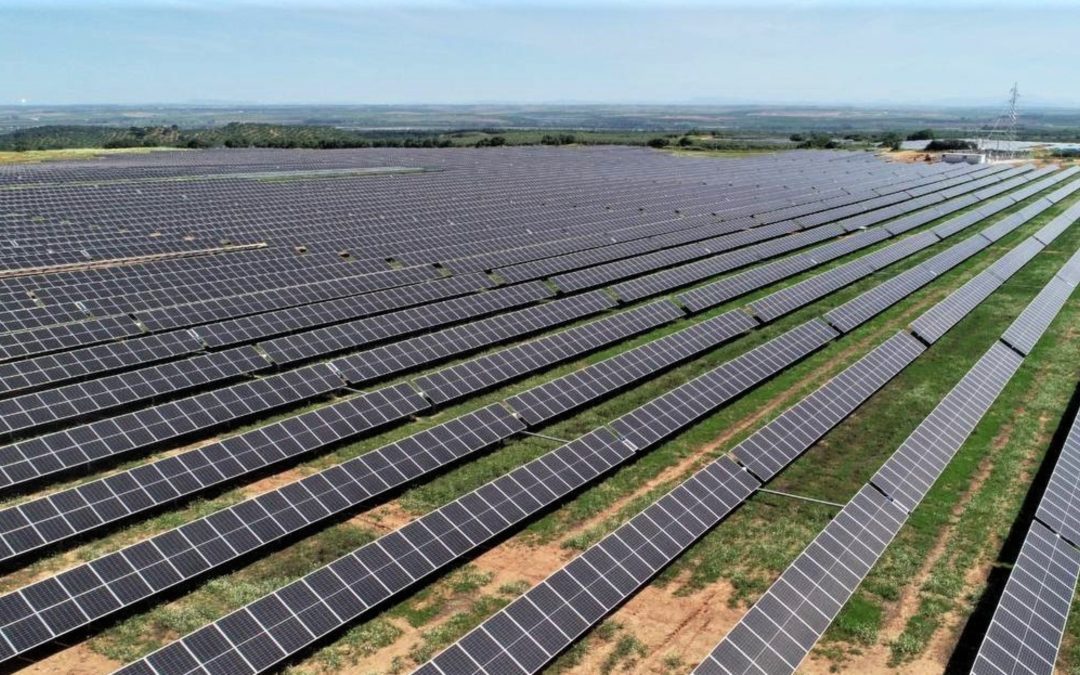
The project will include the supply of over 1,400 1P solar trackers from Gonvarri Solar Steel, which will support 140,000 state-of-the-art solar modules.
The average time to connect a photovoltaic project to the grid in the European Union remains at four years, with delays extending up to eight years in some cases. This situation slows the deployment of renewable energy and generates additional costs for developers, compromising the region’s decarbonization goals.
The ministerial meeting was marked by discussions on affordable energy prices, energy security in the European Union, and the situation in Ukraine. Spain also endorsed a 90% emissions reduction target by 2040 and obtained approval for a €700 million aid scheme for energy storage.
Poland’s microinstallation sector reached a historic milestone in 2024, with more than 1.5 million units and a total installed capacity of 12.7 GW. Solar energy dominates the landscape, accounting for 99% of all installations. However, the sector’s rapid growth poses challenges for grid stability and the energy market.
The public consultation will be open until April 25, allowing interested parties to submit their comments on the proposed framework.
Luis Contreras, CEO of Yingli Green Energy Europe, discusses the impact of global production overcapacity, trade barriers, and the possibility of relocating panel manufacturing to the continent during the virtual event “Storage and Renewable Leadership Forum,” organized by Strategic Energy Corp.
Francesco Sassi, Research Fellow in Energy Geopolitics and Markets, warns in a conversation with Strategic Energy Europe that U.S. tariffs on Chinese solar products and the volatility of gas prices in the continent are shaping a new landscape of uncertainty in the renewable industry. Energy has become a political weapon, and the EU must decide between greater protection or commercial integration.

Cape Verde has launched an international public tender to install photovoltaic systems in water wells and pumping stations, as part of an innovative debt conversion agreement with Portugal.
The raw data for demand shows a decrease of 2.1%, but it is strongly influenced by the comparison with a leap year; photovoltaic production is up (+10.4%) as well as thermal production (+21.3%); in 2024, electricity consumption in the services sector is expected to grow by +4%.
Established under Horizon Europe Strategic Plan 2025-2027, , these partnerships will drive growth, sustainability and resilience, contributing to a strong, inclusive and globally competitive Europe.
The initiative proposes a transformation in the European photovoltaic industry through the use of copper instead of silver, silicon wafer production without polysilicon, and the application of AI in manufacturing. Empower, composed of 24 partners across nine countries, aims to reduce costs and enhance the competitiveness of the solar sector in Europe.
Carlos Hernández, Operations Manager at Forte Renewables, warns that lengthy permitting processes, financial uncertainty, and supply chain dependency are hindering the growth of renewable energy in Europe. During his participation in the forum organised by Strategic Energy Corp, the executive emphasised the need to adopt technological and regulatory solutions to ensure the long-term viability of projects.
Portugal will reach 81.2% renewable generation by February 2025. Hugo Silva highlights that PPAs are driving solar investment, while the new Energy Communities law facilitates public access. Storage and grids are the next challenges.
This agreement, established in partnership with OSW Netherlands, marks a significant step toward strengthening the supply of high-efficiency modules in the Dutch market.
In February 2025, Germany added 1,538 MW of renewable capacity, with solar photovoltaic accounting for 90% of the growth and onshore wind consolidating its recovery. According to the Bundesnetzagentur, the country is maintaining an expansion rate that brings it closer to its targets of 215 GW of solar and 115 GW of onshore wind by 2030.
In February 2025, 81.2% of Portugal’s electricity came from renewables, though generation fell by 5.1% due to lower wind production. Electricity prices rose by 77.6%, increasing reliance on imports. Emissions remained low, driven by strong hydropower generation.
The advancement of agrivoltaics requires greater versatility and new regulations. The company is committed to diversification, efficiency, and global manufacturing to remain competitive in a market impacted by Chinese pressure and trade changes in the United States.
Grid dispatch curtailment on solar energy have increased exponentially this year, impacting renewable energy development in the country. Preliminary data from EirGrid reveal that this trend is driven by network limitations, lack of storage, and electricity market regulations.
Meetings in Brussels with EU Commission representatives, focusing on environmental targets, biofuels, and renewable growth.
Francesco Marghella, an analyst, warns that auctions under the FER X schemes do not differentiate agrivoltaics from photovoltaics, which could limit its initial deployment. Moreover, current financial models ignore its agronomic value, a key factor for profitability. With the goal of reaching 7 GW by 2030, can Italy overcome these obstacles and unlock the potential of this technology?
Héctor Erdoician, CSO and CTO of Chemik, explains how the company optimizes its supply chain, develops proprietary technology, and expands in a highly competitive market.
The project will include the supply of over 1,400 1P solar trackers from Gonvarri Solar Steel, which will support 140,000 state-of-the-art solar modules.
The average time to connect a photovoltaic project to the grid in the European Union remains at four years, with delays extending up to eight years in some cases. This situation slows the deployment of renewable energy and generates additional costs for developers, compromising the region’s decarbonization goals.
The ministerial meeting was marked by discussions on affordable energy prices, energy security in the European Union, and the situation in Ukraine. Spain also endorsed a 90% emissions reduction target by 2040 and obtained approval for a €700 million aid scheme for energy storage.
Poland’s microinstallation sector reached a historic milestone in 2024, with more than 1.5 million units and a total installed capacity of 12.7 GW. Solar energy dominates the landscape, accounting for 99% of all installations. However, the sector’s rapid growth poses challenges for grid stability and the energy market.
The public consultation will be open until April 25, allowing interested parties to submit their comments on the proposed framework.
Luis Contreras, CEO of Yingli Green Energy Europe, discusses the impact of global production overcapacity, trade barriers, and the possibility of relocating panel manufacturing to the continent during the virtual event “Storage and Renewable Leadership Forum,” organized by Strategic Energy Corp.
Francesco Sassi, Research Fellow in Energy Geopolitics and Markets, warns in a conversation with Strategic Energy Europe that U.S. tariffs on Chinese solar products and the volatility of gas prices in the continent are shaping a new landscape of uncertainty in the renewable industry. Energy has become a political weapon, and the EU must decide between greater protection or commercial integration.
Select the sector you
want to know more about
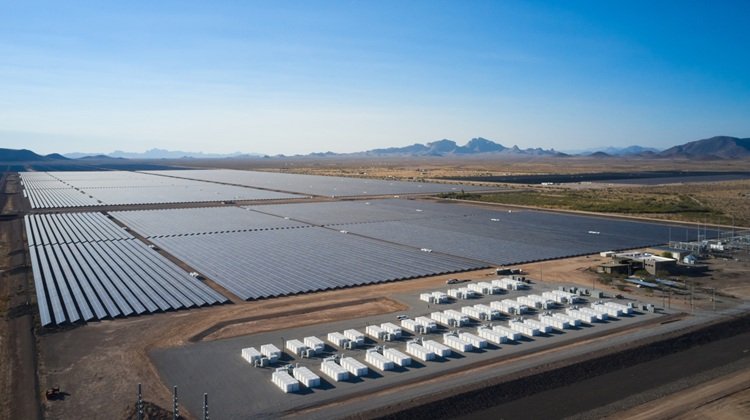
The Pita Solar photovoltaic park will deliver 192.4 MW of solar PV paired with five-hour battery storage in Tarapacá, marking the company’s second hybrid project approved in under a year.
Marco Vera warns that regulatory uncertainty is deterring new generation and calls for rescheduling the tender to preserve investor confidence and enable technology complementarity.
The national government is preparing to launch a clean energy tender in the coming weeks, to run in parallel with the reliability charge auction. Developers remain cautious due to the lack of clarity on capacity volumes and auction rules.