
In a new policy paper, Hydrogen Europe calls on the EU to integrate clean hydrogen into its core energy security strategy—highlighting its role in system flexibility, long-term storage, and reducing dependence on imported fossil fuels.


In a new policy paper, Hydrogen Europe calls on the EU to integrate clean hydrogen into its core energy security strategy—highlighting its role in system flexibility, long-term storage, and reducing dependence on imported fossil fuels.
Germany is moving forward with a Hydrogen Acceleration Act to digitalise, streamline and prioritise key infrastructure, production and import projects, driving decarbonisation in hard-to-electrify sectors without compromising water access.
The transatlantic energy pact foresees imports of gas, oil and uranium worth USD 750 billion over three years. Experts criticise the measure as undermining Europe’s energy transition and logistically unfeasible.
With 2.7 GW installed in a single year, Andalusia has raised its ambitions by setting new 2030 targets, advancing in green hydrogen, biogas and storage, and calling for greater regulatory autonomy to secure its strategic role in the energy transition.
New IRENA report confirms cost-competitiveness of renewables; warns of mounting grid integration and financing challenges notably in emerging and capital-constrained markets
The government is providing over €700 million in subsidies to companies that will produce sustainable hydrogen in the Netherlands.
While this approach allows for swift progress, it raises concerns over reduced deliberative processes and mounting delays in meeting EU deadlines.
The French Ministry of Industry and Energy announces the launch of the competitive dialogue phase of the support mechanism for decarbonized hydrogen production, with 10 candidates participating for a total electrolysis capacity of 388 MW.
MITECO opens up 3,681 MW across eight key grid nodes. The mechanism prioritises industrial decarbonisation, economic investment, and swift project execution.
IDAE has published the selected projects under the European Hydrogen Bank’s “Auction-as-a-Service” scheme. Spain is channelling €377 million into 485 MW of electrolysis capacity to decarbonise key industrial and mobility sectors.
The project includes a wind turbine, a 5 MW electrolyser, and a hydrogen refuelling station. Its success supports other green hydrogen initiatives in Spain.
A new report from IRENA anticipates that international trade in green hydrogen and its derivatives could represent up to 20% of global demand by 2050. The study identifies Europe as the key import region and highlights Latin America, Africa and the Middle East as leading exporters.
ACOGEN and COGEN España present to the MITECO the results of a survey among cogeneration industries regarding their participation in cogeneration auctions.
The Draft Royal Decree for the Promotion of Renewable Fuels lays out a roadmap to 2030 with binding targets differentiated by transport mode and certification mechanisms, positioning Spain as a strategic hub in renewable hydrogen and biomethane production.
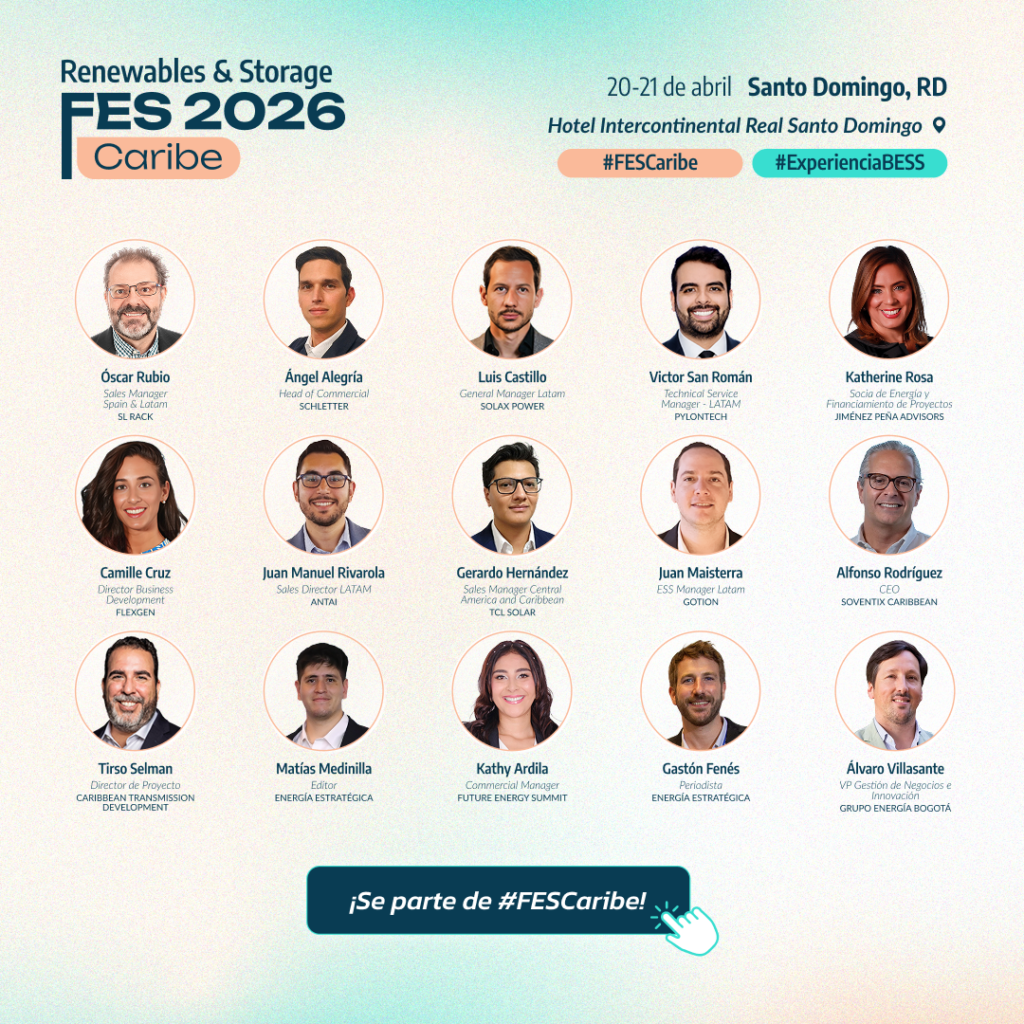
FES will bring together hundreds of renewable energy leaders in Lima, Bogotá, and Santiago to analyze opportunities for the energy transition and explore synergies and new business opportunities through exclusive networking spaces. Additionally, FES will host a webinar on the future of green energy in Brazil. Discover all the details!
At FES Iberia 2025, Germán Albarrán Izquierdo, Energy Business Director at INCOSA, emphasized the essential role of engineering as both a technical and economic driver of the energy transition. “We want to highlight how engineering enables better decision-making to ensure projects meet their objectives,” he states.
Hydrogen Europe calls on the European Union to take a leading role in unlocking demand for clean hydrogen through the creation of Green Lead Markets, carbon footprint labelling, targeted industrial incentives, and regulatory obligations to strengthen competitiveness and achieve climate goals.
It establishes a path for fuel suppliers to introduce renewable energy into transport to comply with the PNIEC and reduce greenhouse gas emissions by 16.3% by 2030.
Second-half funding plan aligns with €160 billion annual target; includes auctions, syndications, and green bond taps.
More than 50 public and private sector executives, including representatives from Repsol, Iberdrola, EDP Renewables, Acciona, TotalEnergies, Matrix Renewables, Galp, Lightsource BP, and governments from Spain and Latin America, will gather this Tuesday for the most influential energy event of the year in Madrid: FES Iberia 2025 edition.
Enertis Applus+, with over 100 GWh in BESS projects and 400 GW in renewables, warns that regulatory uncertainty and permitting delays are impacting the bankability and execution of storage initiatives and emerging technologies like green hydrogen.
In a new policy paper, Hydrogen Europe calls on the EU to integrate clean hydrogen into its core energy security strategy—highlighting its role in system flexibility, long-term storage, and reducing dependence on imported fossil fuels.
Germany is moving forward with a Hydrogen Acceleration Act to digitalise, streamline and prioritise key infrastructure, production and import projects, driving decarbonisation in hard-to-electrify sectors without compromising water access.
The transatlantic energy pact foresees imports of gas, oil and uranium worth USD 750 billion over three years. Experts criticise the measure as undermining Europe’s energy transition and logistically unfeasible.
With 2.7 GW installed in a single year, Andalusia has raised its ambitions by setting new 2030 targets, advancing in green hydrogen, biogas and storage, and calling for greater regulatory autonomy to secure its strategic role in the energy transition.
New IRENA report confirms cost-competitiveness of renewables; warns of mounting grid integration and financing challenges notably in emerging and capital-constrained markets
The government is providing over €700 million in subsidies to companies that will produce sustainable hydrogen in the Netherlands.
While this approach allows for swift progress, it raises concerns over reduced deliberative processes and mounting delays in meeting EU deadlines.
The French Ministry of Industry and Energy announces the launch of the competitive dialogue phase of the support mechanism for decarbonized hydrogen production, with 10 candidates participating for a total electrolysis capacity of 388 MW.
MITECO opens up 3,681 MW across eight key grid nodes. The mechanism prioritises industrial decarbonisation, economic investment, and swift project execution.
IDAE has published the selected projects under the European Hydrogen Bank’s “Auction-as-a-Service” scheme. Spain is channelling €377 million into 485 MW of electrolysis capacity to decarbonise key industrial and mobility sectors.
The project includes a wind turbine, a 5 MW electrolyser, and a hydrogen refuelling station. Its success supports other green hydrogen initiatives in Spain.
A new report from IRENA anticipates that international trade in green hydrogen and its derivatives could represent up to 20% of global demand by 2050. The study identifies Europe as the key import region and highlights Latin America, Africa and the Middle East as leading exporters.
ACOGEN and COGEN España present to the MITECO the results of a survey among cogeneration industries regarding their participation in cogeneration auctions.
The Draft Royal Decree for the Promotion of Renewable Fuels lays out a roadmap to 2030 with binding targets differentiated by transport mode and certification mechanisms, positioning Spain as a strategic hub in renewable hydrogen and biomethane production.
FES will bring together hundreds of renewable energy leaders in Lima, Bogotá, and Santiago to analyze opportunities for the energy transition and explore synergies and new business opportunities through exclusive networking spaces. Additionally, FES will host a webinar on the future of green energy in Brazil. Discover all the details!
At FES Iberia 2025, Germán Albarrán Izquierdo, Energy Business Director at INCOSA, emphasized the essential role of engineering as both a technical and economic driver of the energy transition. “We want to highlight how engineering enables better decision-making to ensure projects meet their objectives,” he states.
Hydrogen Europe calls on the European Union to take a leading role in unlocking demand for clean hydrogen through the creation of Green Lead Markets, carbon footprint labelling, targeted industrial incentives, and regulatory obligations to strengthen competitiveness and achieve climate goals.
It establishes a path for fuel suppliers to introduce renewable energy into transport to comply with the PNIEC and reduce greenhouse gas emissions by 16.3% by 2030.
Second-half funding plan aligns with €160 billion annual target; includes auctions, syndications, and green bond taps.
More than 50 public and private sector executives, including representatives from Repsol, Iberdrola, EDP Renewables, Acciona, TotalEnergies, Matrix Renewables, Galp, Lightsource BP, and governments from Spain and Latin America, will gather this Tuesday for the most influential energy event of the year in Madrid: FES Iberia 2025 edition.
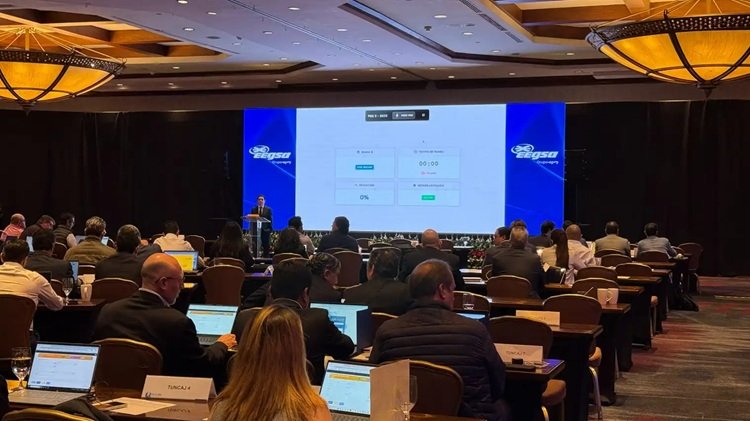
Enertis Applus+, with over 100 GWh in BESS projects and 400 GW in renewables, warns that regulatory uncertainty and permitting delays are impacting the bankability and execution of storage initiatives and emerging technologies like green hydrogen.

Select the sector you
want to know more about
Rising oil prices driven by Middle East tensions are accelerating cost savings from electric mobility across Latin America and the Caribbean
PEG-5 auction allocates 1.1 GW of clean energy out of 1.5 GW total, positioning storage-backed renewables at the core of future power system expansion
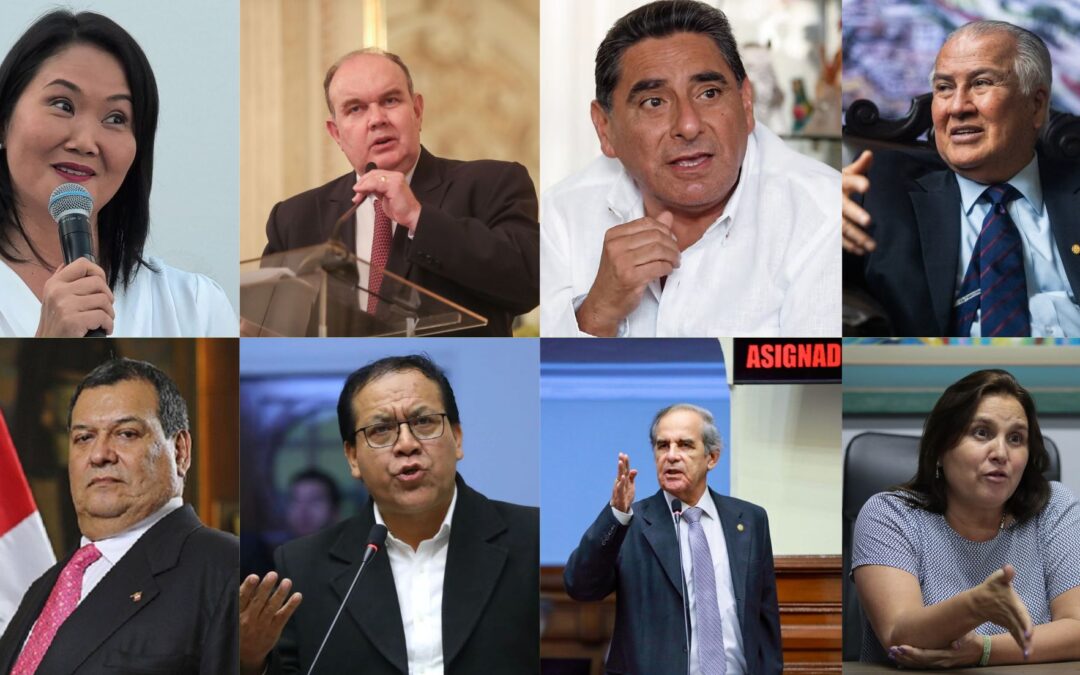
Less than a week before the 12 April elections, Peru faces a highly fragmented landscape and widespread voter indecision, with nearly one-third of the electorate still undecided. At the same time, leading candidates broadly agree on promoting renewable energy, albeit with limited policy detail, as the sector anticipates strong growth and awaits the regulation of Law 32249.