











The bottleneck in Spain’s electricity system is no longer technological; it is now structural. The lack of effective grid access and the absence of economic stability mechanisms are limiting the development of long-duration energy storage, particularly pumped hydro.
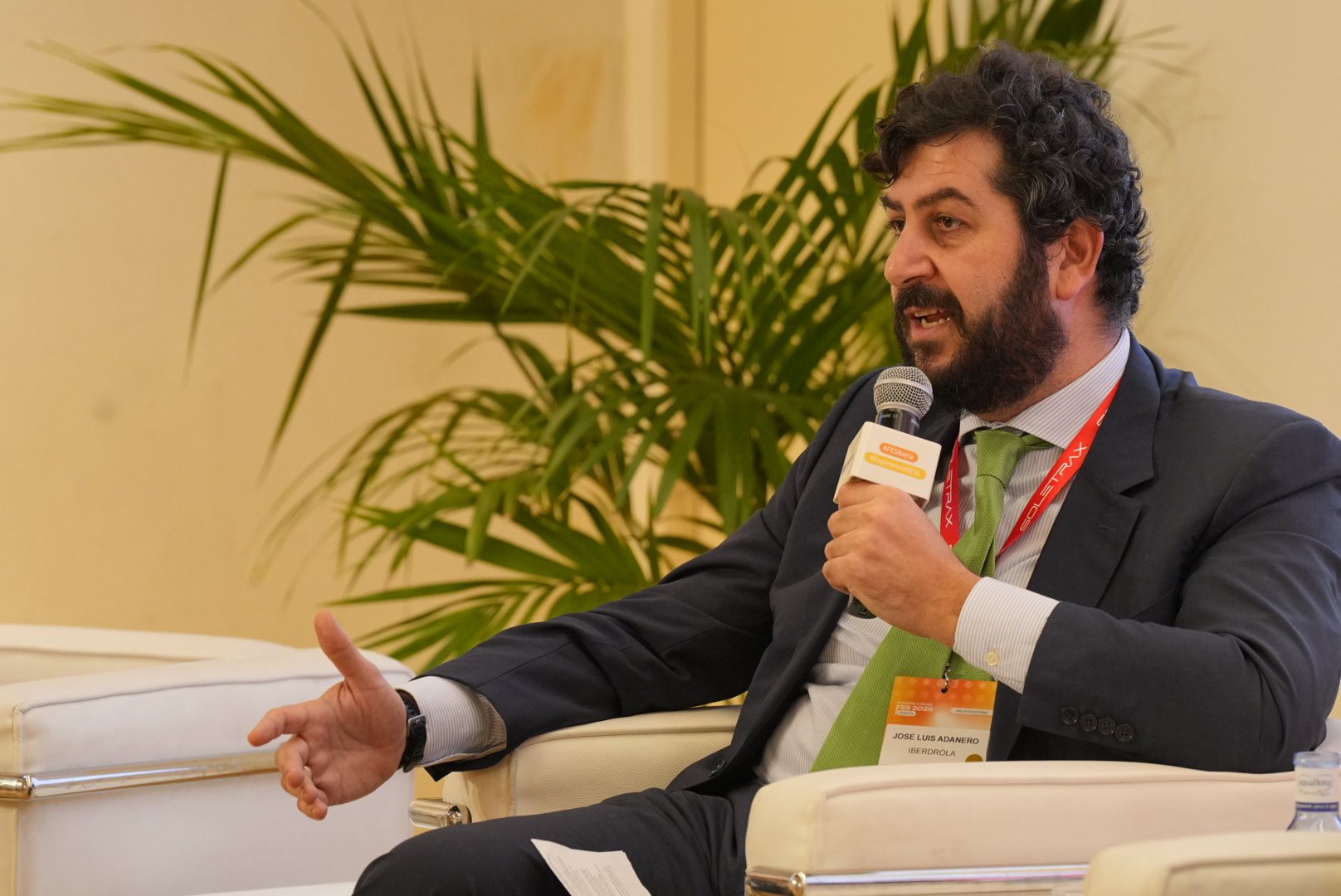
This was highlighted by José Luis Adanero, Director of Planning, Regulation and Investments at Iberdrola, during the second panel at FES Iberia 2026.
“You start out enthusiastic when you have grid access,” he said, explaining how the paralysis of grid nodes and pending tenders is holding back strategic projects even when they are technically mature.
For investments planned over 40, 50 or more years, regulatory visibility is decisive. Without a firm connection point, financial structuring becomes impossible. The executive stressed the need to reactivate this dynamic.
“We need to create momentum around grid access so that permitting processes can move forward,” he said, linking the discussion to network planning and administrative agility.
In this context, energy storage emerges as the key element that allows renewable penetration to grow without compromising system stability. Iberdrola has 125 years of history and maintains a long-standing position in flexibility technologies.
“Storage has always been part of the system,” Adanero recalled.
“Someone tried to compare storage technologies by saying one is like an aeroplane and the other like a bicycle. Both can move you, but if you want to go far, you may need an aeroplane,” he explained.
The comparison reflects a strategic vision: electrochemical batteries — quick to deploy and increasingly competitive — provide short-term operational flexibility. Pumped hydro, by contrast, offers structural power and duration.
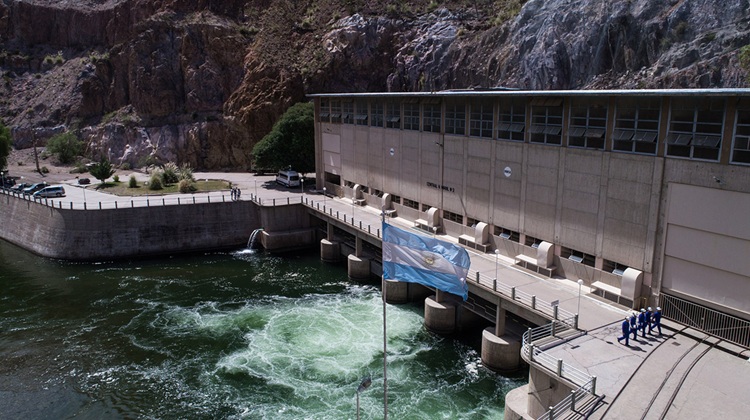
Iberdrola operates assets such as Tâmega in Portugal and La Muela in Valencia, and is developing six electrochemical projects totalling 300 MWh, three of which are already in operation. However, the expansion of pumped storage faces additional constraints.
The development of long-duration storage requires stable mechanisms that complement market revenues. Adanero stated that capacity payments must ensure part of the income needed to repay the investment made.
At the same time, the concession framework is limiting new hydropower projects.
“These concessions will probably not have the 70 or 80-year lifespan that you would expect to make a new pumped storage project viable,” he warned.
Without adequate concession extensions and well-designed capacity payments, pumped storage loses financial attractiveness compared with shorter-term alternatives.
Beyond the technological debate, the executive stressed that the focus must remain on systemic stability, balancing renewable generation, storage and firm capacity.
The final message to regulators was clear: effective grid access, modernised networks, structural storage and long-term economic signals. Without these elements, the energy transition will slow down. With them, the electricity system can strengthen resilience and industrial competitiveness in an increasingly electrified environment.