










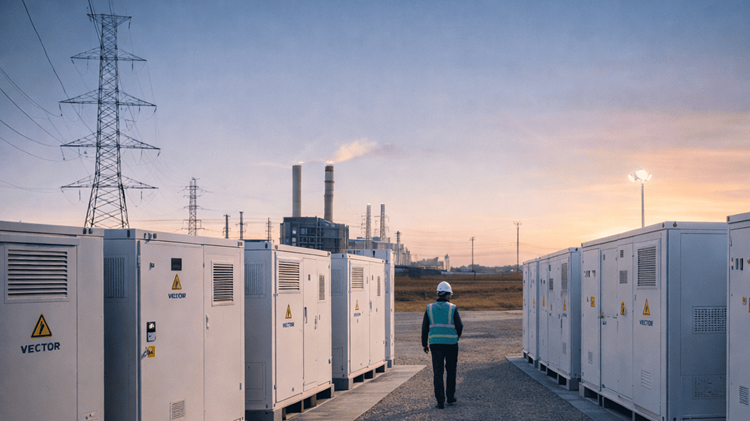
In highly critical industrial plants—such as food processing, cold storage and continuous manufacturing—energy cannot be assessed solely in terms of cost per kilowatt-hour. Operational continuity, power quality and resilience to failures are equally, if not more, decisive.
These facilities frequently operate with electrical networks exposed to recurring instability, a structural reliance on diesel generators as backup, penalties linked to poor power factor and demand peaks, and processes that are highly sensitive to micro-outages, harmonics and transients.
“From an engineering perspective, these challenges cannot be solved by adding equipment in isolation. They require an integrated energy architecture, designed as a single system. That is what delivers operational continuity, electrical stability and high-quality energy for industrial processes,” explained Alexander Bedoya, MSc in Renewable Energy and Energy Efficiency and CEO of Ingeniería y Diseño (I&D).
A modern industrial energy system must be conceived as a coordinated whole under one core principle: generation, storage, grid interaction and backup must operate together, not independently.
This requires the simultaneous design of:
-
The primary renewable generation source (solar PV)
-
The battery energy storage system (BESS)
-
The Energy Management System (EMS)
-
Integration with the grid and existing generators
“When any of these elements is designed outside the system logic, inefficiencies, operational failures, or electrical risks inevitably appear,” Bedoya added.
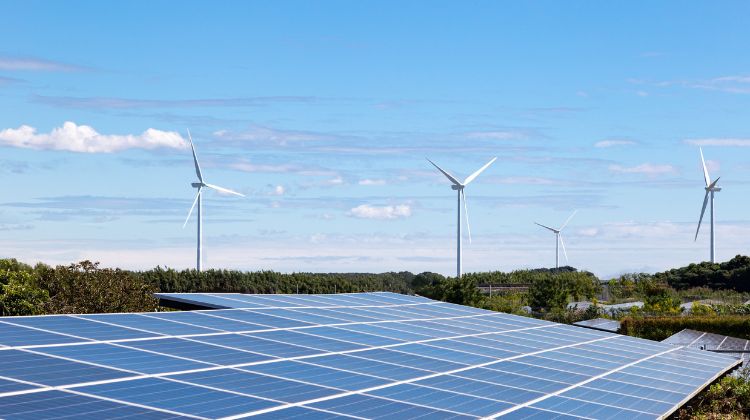
Solar PV should not be seen merely as a cost-saving tool, but as a functional component of the plant’s daily energy balance. Properly sized systems can:
-
Cover a significant share of daytime consumption
-
Reduce stress on the electrical grid
-
Decrease diesel generation usage
-
Extend the autonomy of the storage system
I&D also stressed that in tropical climates—with high irradiation and elevated temperatures—engineering must carefully address module selection, string configuration, thermal losses and maintenance strategies to ensure long-term performance.
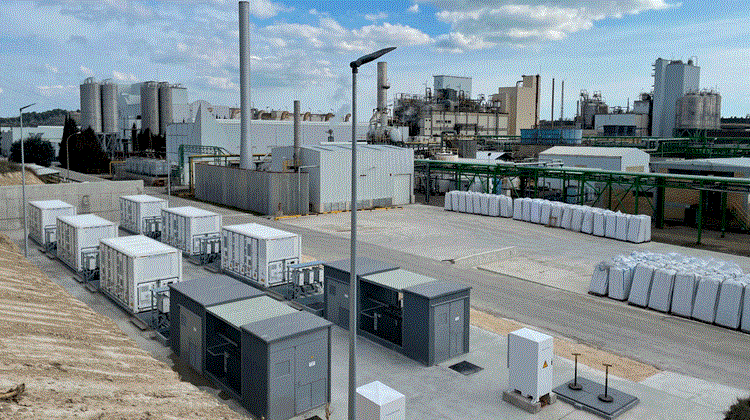
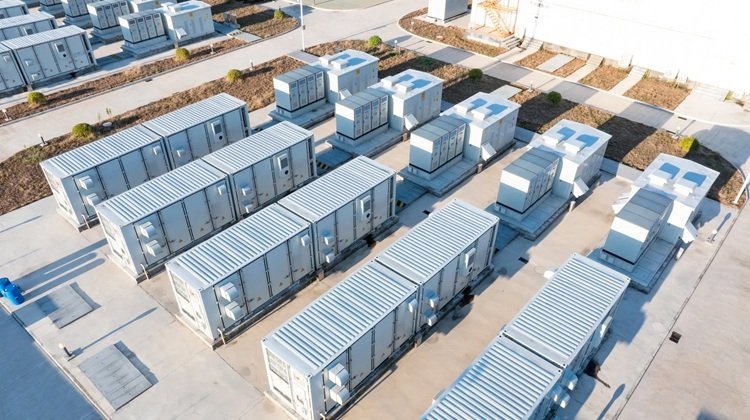
These architectures increasingly rely on industrial-grade BESS platforms, designed for deep integration within complex electrical systems. Solutions such as those developed by Vector Energy form part of this technological ecosystem. Their successful deployment in Latin America requires not only product knowledge, but also strong engineering capabilities, operational insight and understanding of existing infrastructure—a role I&D assumes across the region.
A BESS should not be viewed as a simple backup asset. In mission-critical industrial facilities, it becomes the central element of electrical control.
A properly engineered BESS can simultaneously:
-
Provide autonomy during grid outages
-
Absorb and supply energy during demand peaks
-
Stabilise voltage and frequency
-
Enable island (grid-forming) operation, allowing the plant to continue operating during external failures and avoiding dangerous transients when reconnecting sources
In continuous processes, this capability often marks the difference between a costly shutdown and stable, uninterrupted operation.
The EMS is the brain of the system. Its role goes far beyond monitoring: it automatically prioritises energy sources, optimises storage usage, reduces unnecessary diesel starts, adjusts operation to real-time demand, and enables remote supervision and control.
In industrial PV + BESS solutions, this control layer ensures that all components operate as a single, coherent system, supported by mature technological platforms that demand expert integration and a deep understanding of local operating conditions.
Bedoya emphasised that the difference between a system that merely “works” and one that operates reliably for years lies in engineering depth and detail. This includes:
-
Load studies and energy simulations
-
Complete electrical calculations (DC, AC and short-circuit)
-
Grounding design and lightning protection
-
Protection coordination
-
Civil and mechanical design for structures and BESS
-
Technical documentation, drawings, and operation and maintenance manuals
“Without this level of depth, any complex system will ultimately operate below its potential,” he noted.
“Integrating solar PV with BESS in industrial environments is not an equipment exercise—it is systems engineering. When design is approached holistically, energy stops being an operational risk and becomes a strategic asset, delivering lower costs, greater stability, production continuity and protection of critical assets,” Bedoya concluded.
“That is the technical standard the industry now demands, and it is the standard I&D applies across the region—combining local expertise, sound engineering judgement and internationally proven technology platforms.”
For further information, companies are encouraged to contact Ingeniería y Diseño (I&D) directly. Its specialists can address technical questions and support efficient implementation processes. To explore the operational logic and industrial applications of BESS in more depth, I&D also recommends consulting Vector Energy’s official website.