










Chile’s power system is approaching a silent breaking point. As conventional generation exits the market and renewable energy plants with power converters expand, the grid is losing a key feature that was long taken for granted: inertia. Without synchronous machines spinning, who now guarantees system stability?
Huawei put this question on the table at the start of FES Chile, during Panel 1 on the first day. The focus was not on the promise of large-scale energy storage or new arbitrage opportunities, but on a more structural challenge: operational security in a scenario of very high renewable penetration.
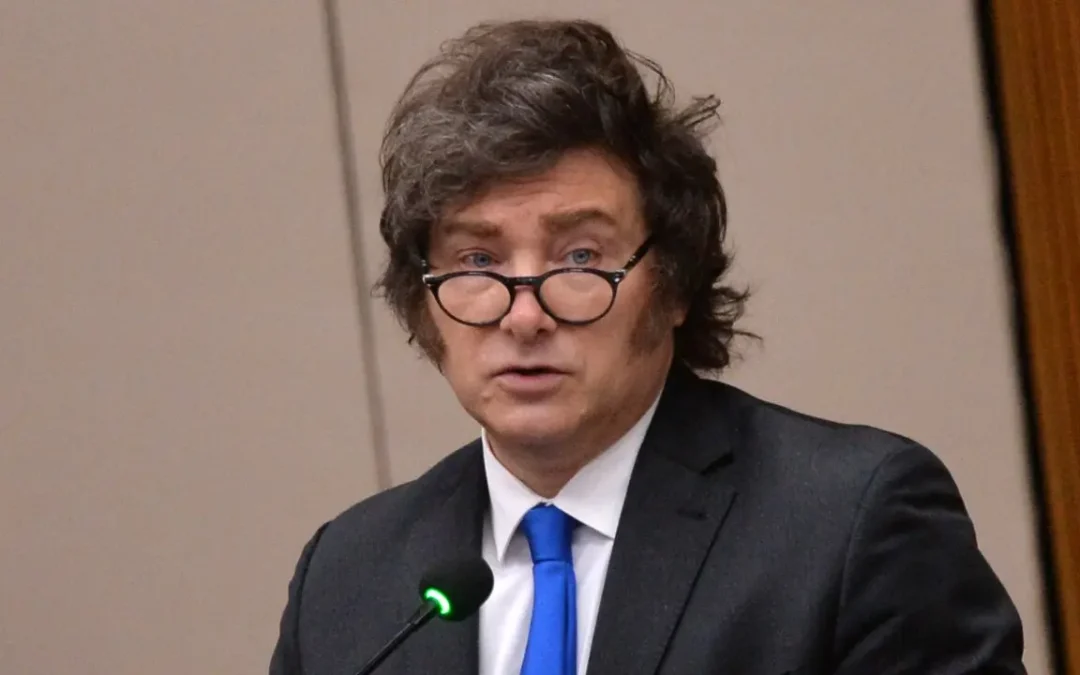
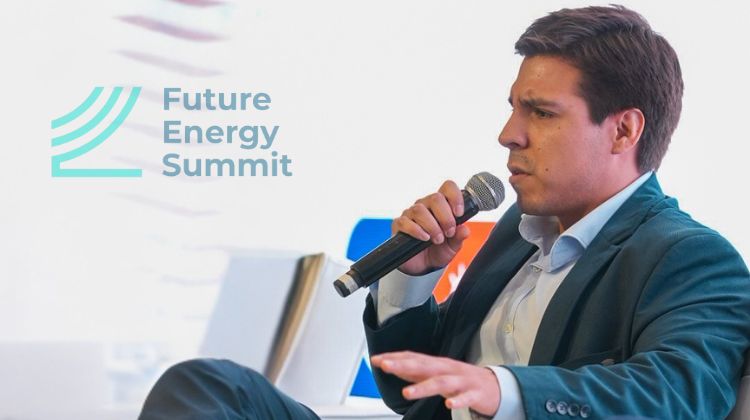
“We are displacing synchronous machines with converters and, as a result, the security and robustness of power systems are declining—particularly in Chile,” warned Felipe Rivero, Product Manager at Huawei Digital Power, during his panel intervention.
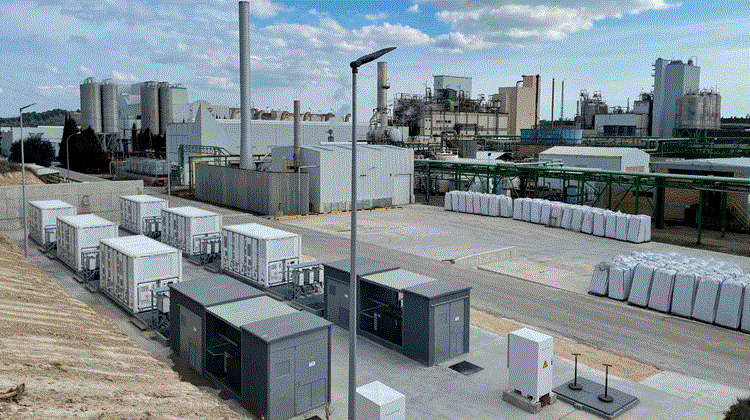
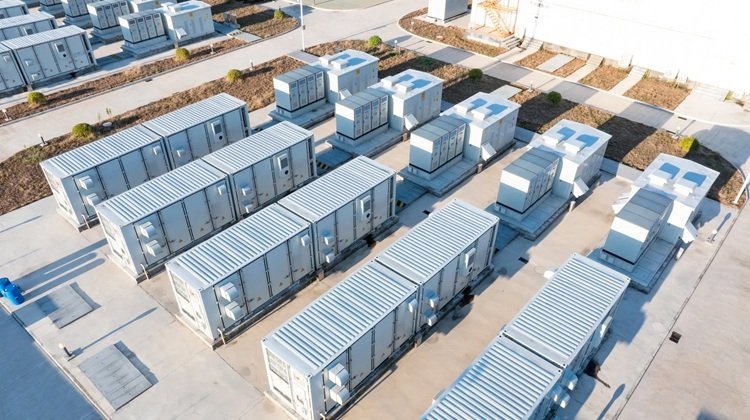
The technical solution already exists—and Huawei has it ready: grid forming, the ability of battery energy storage systems (BESS) to simulate the behaviour of conventional generators by providing virtual inertia, frequency control, and grid-forming capability. But according to Rivero, no one is paying for it.
“Market signals are needed to enable grid forming,” he said, summarising the main bottleneck facing the energy transition in countries like Chile.
Chile’s National Energy Commission (CNE) has launched a public consultation on technical requirements and announced that it will work on a remuneration scheme in the coming months. However, in practice, the storage projects currently under construction have not incorporated these functions. Most are conceived for energy arbitrage and are neither designed nor contracted to provide grid support.
Rivero was clear that without a market mechanism to recognise the value of grid forming, its adoption will remain marginal. In northern Chile, where solar power already dominates the mix, system operators have had to restart synchronous machines to comply with an inertia requirement of 9 kVA per second. This technical necessity, in turn, increases renewable curtailment, exposing a paradox: more renewable capacity is installed, yet it cannot be fully dispatched.
“A system cannot be decarbonized if it is not secure,” the executive concluded. And behind that statement lies an even bigger challenge: ensuring stability with technologies that still have neither pricing nor contracts in place.
Huawei is not waiting for regulation to catch up. Its latest systems are delivered with built-in grid-forming capability, even if customers do not activate it. This is part of a broader strategy to verticalize the full package, from battery to transformer, to ensure compatibility and reliability.
The approach is not minor. The company already operates projects in extreme conditions, such as a 400 MW / 1.8 GWh storage facility in Saudi Arabia, and installations in Mongolia, where sub-zero temperatures dominate in winter. In both cases, systems are designed to operate continuously for 20 to 25 years.
Rivero noted that Huawei’s commitment to clients is to support them throughout the entire lifecycle of the project, from design through operation. But he also emphasised that competition is becoming increasingly aggressive, which demands continued investments in efficiency, durability, and energy density.
“We are constantly innovating, developing new products for an increasingly competitive market,” he said. According to the company, its batteries can retain up to 74% usable capacity after 20 years, with ongoing improvements in round-trip efficiency.
As the regulatory framework still works to define the value of complementary services such as grid forming, Huawei is already positioning its equipment for that future scenario. Technology is not waiting; the market is.