











The election of José Antonio Kast as president of Chile has reshaped expectations across the energy sector. Attention is now focused on the composition of the incoming cabinet, particularly the Ministry of Energy, a strategic post amid the country’s accelerating energy transition.
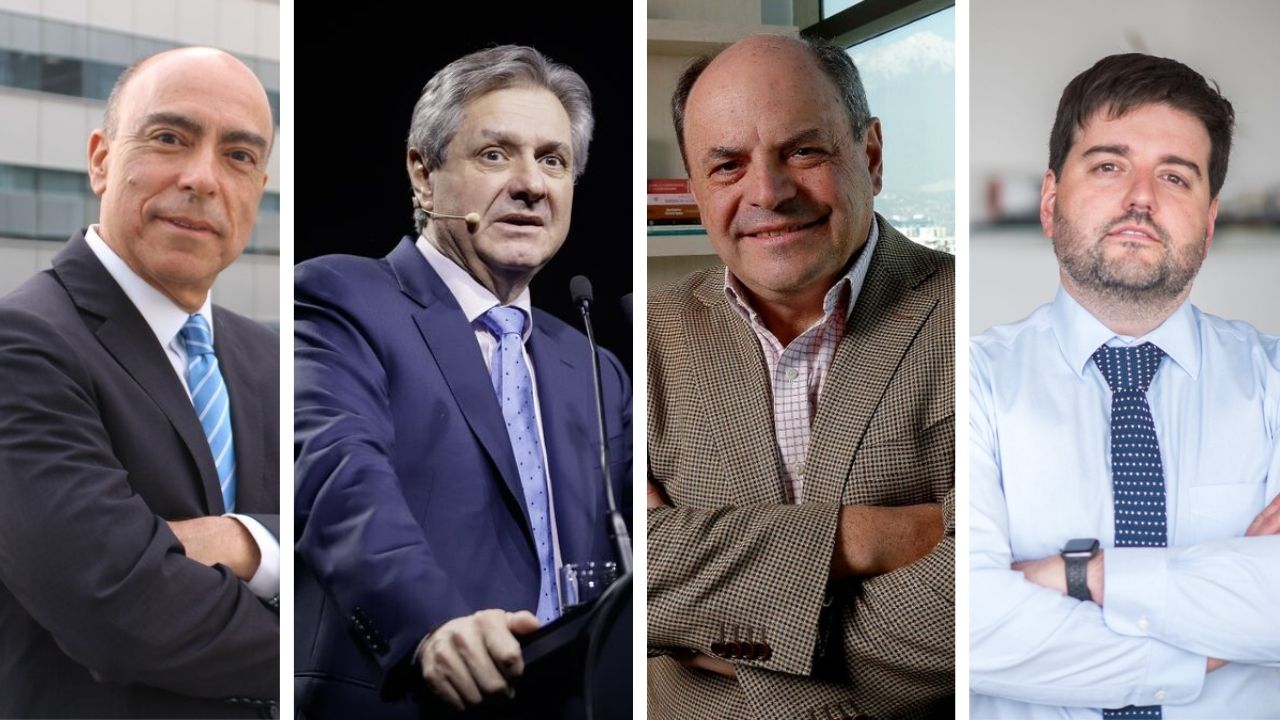
According to sources consulted by Energía Estratégica, four names currently dominate discussions around who could lead Chile’s energy policy: José Venegas, Rodrigo Álvarez, Francisco Javier López and José Luis Daza.
Whoever assumes the role will face a complex transition, marked by higher penetration of renewable energy, rapid deployment of energy storage systems, power grid modernization and significant regulatory reforms.
José Venegas served as Executive Secretary of Chile’s Comisión Nacional de Energía (CNE) between 2018 and 2022. He brings more than 30 years of experience across generation, transmission and distribution, having held senior roles at major utilities such as Colbún and Endesa.
In recent years, Venegas has acted as the main energy advisor to Kast’s presidential campaign. He has outlined policy proposals centred on consumer freedom, cutting red tape, reorganising distributed generation projects (PMGD, or Pequeños Medios de Generación Distribuida), and promoting technical modernisation without subsidies.
Another prominent name is Rodrigo Álvarez, who served as Chile’s Minister of Energy from 2011 to 2012. He is also a former President of the Chamber of Deputies and former Vice President of the Constitutional Convention.
While he is considered close to the president-elect, sources suggest Álvarez may be more inclined toward a strategic or technical advisory role rather than returning to a frontline ministerial position, given his strong parliamentary and political background.
Francisco Javier López, meanwhile, was Undersecretary of Energy between 2019 and 2022 during the second administration of Sebastián Piñera. A lawyer trained at Pontificia Universidad Católica de Chile, he is currently a partner at the law firm Jara Del Favero.
During his tenure, López emphasised the need to continue diversifying Chile’s energy matrix, scaling up renewable energy deployment and introducing regulatory adjustments to support investment and grid integration. His experience positions him as a strong candidate not only for Energy but also for other portfolios linked to productive development.
With a lower probability, but still mentioned in political circles, is José Luis Daza, currently serving as Vice Minister of Economy in Argentina. A Chilean-Argentine national with deep roots in the financial sector, Daza previously represented Chile’s Central Bank in Asia, based in Tokyo.
He was also considered during Chile’s 2021 election cycle as a potential Economy Minister under a Kast presidency. More recently, he joined the Argentine government due to his political alignment and long-standing professional ties, including a decades-long relationship with Argentina’s current Economy Minister, Luis Caputo, dating back to their time at JP Morgan.
Although Daza reportedly received an offer to join the Chilean cabinet, his chances have weakened following the confirmation of Jorge Quiroz as the incoming Finance Minister.
Political design under pressure: The “Tri-Ministry” on hold
Early cabinet discussions included the idea of creating a “tri-ministry” combining Energy, Economy and Mining, consolidating strategic decision-making under a single authority.
However, the proposal has lost momentum after warnings from industry stakeholders, who stressed the need for institutional autonomy in each area due to their technical complexity and distinct challenges. The idea also faced resistance within the governing coalition, as it could limit political balance in cabinet appointments.
As a result, maintaining an independent Ministry of Energy with its own leadership is emerging as the most likely scenario—also seen as a positive signal for investors and market participants seeking clarity on Chile’s policy direction.
While official appointments are still pending, one message from the incoming administration is clear: Chile’s energy future will be renewable. Current projections anticipate more than 10 GW of new capacity in the coming years, with 95% linked to renewable energy projects.
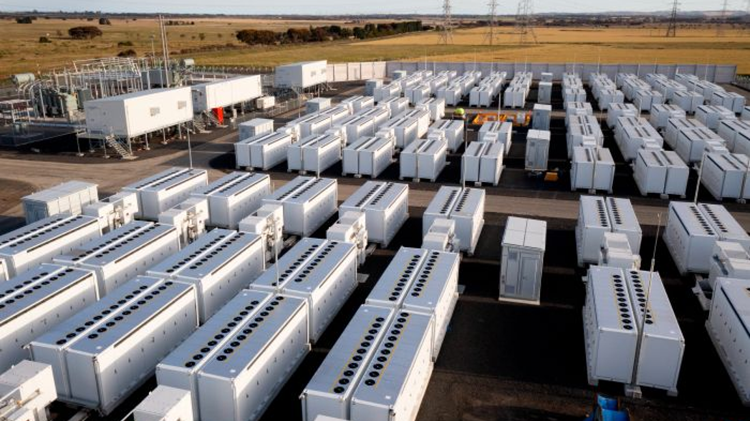
In parallel, according to the Kast team’s estimates, Chile could reach 9 GW of battery energy storage systems (BESS) by 2027, expanding to 14 GW by 2030, reinforcing grid flexibility and supporting large-scale solar PV and wind power integration.
For the energy market, every signal matters—and the final decision on who leads the Energy Ministry will be closely watched both domestically and internationally.