





VERBUND is accelerating its renewable energy expansion in Spain, aiming to build and connect 1,500 MW of solar PV capacity by 2028.
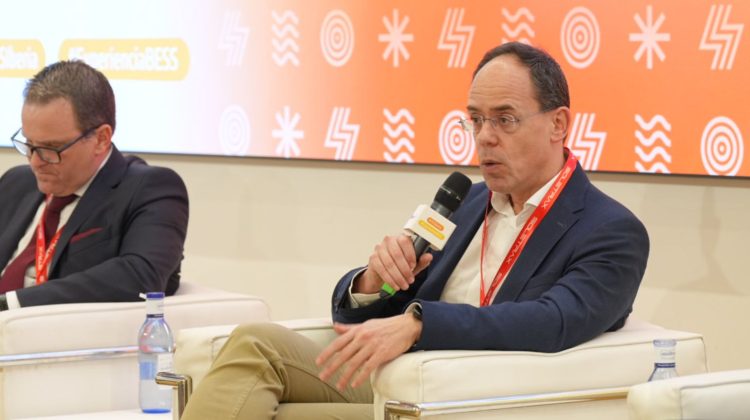
The roadmap was outlined by José Benito García Rodríguez, Operations Director at VERBUND Green Power Iberia, during the Future Energy Summit (FES) Iberia 2026. He stressed that growth will rely on structural efficiency and a diversified strategy spanning photovoltaic deployment, hybridisation, pumped storage and advanced energy trading.
Hybrid projects are central to the company’s strategy in an increasingly competitive renewables market.
“We see hybridisation as a growth vector with strong potential. We have an operational wind portfolio that we are hybridising with solar PV plants, meaning we are building solar parks that share the same grid connection point as the wind farms,” García Rodríguez explained.
By sharing interconnection infrastructure, projects reduce connection costs and optimise grid access. In addition, existing wind assets provide operational inertia and improved utilisation of network capacity, enhancing project returns.
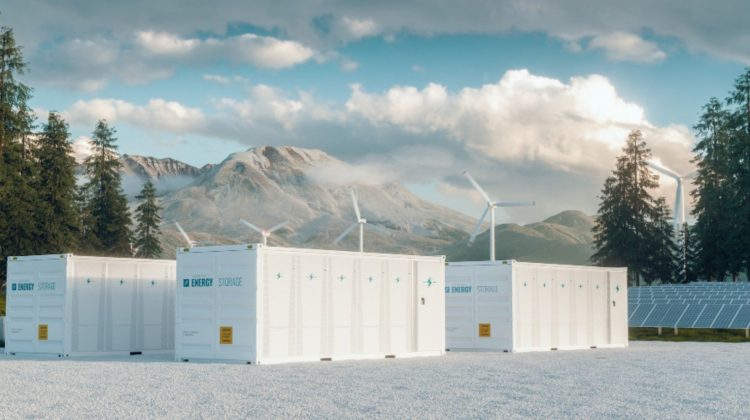
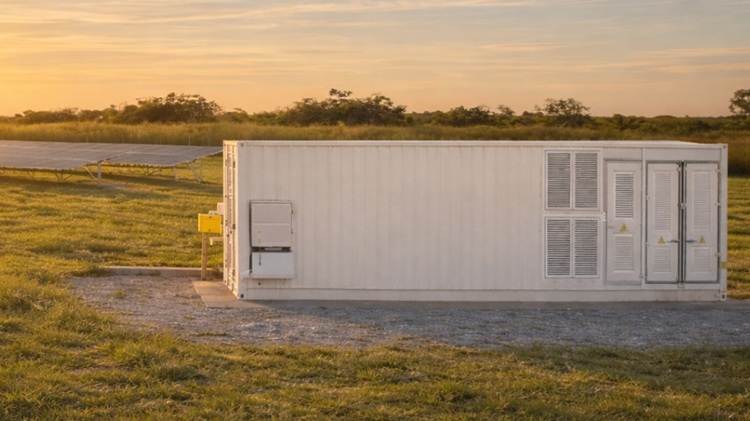
Battery energy storage systems (BESS) are the second pillar of VERBUND’s growth strategy in Spain.
“Storage will be another important growth vector. We are working to integrate batteries and storage systems into all our plants, both operational and under development,” he said.
The rationale is clear: Spain’s wholesale electricity market (the so-called “pool”) shows very low prices during certain hours of the day—particularly when solar PV output peaks—and only short windows of high prices.
Given that a large share of VERBUND’s Iberian portfolio is solar PV, generation often coincides with low-price periods. Integrating energy storage allows the company to shift output to higher-value hours, improving revenue capture and reinforcing margins.
VERBUND currently operates 750 MW in Spain, roughly split between wind power and solar PV. The portfolio was developed over the past four to five years following the Austrian group’s entry into the Iberian market.
In parallel, the company is developing two pumped-storage hydropower plants totalling around 800 MW, leveraging its long-standing expertise in hydroelectric generation.
Although pumped storage projects involve longer development timelines, they are considered strategic in a context of increasing hourly price distortion, growing renewable penetration and rising demand for flexibility and grid integration.
For García Rodríguez, competitiveness is not defined solely by market prices but by full lifecycle optimisation of renewable assets.
“The fundamental driver of profitability is CAPEX – the cost of investment,” he stated. That cost is largely determined at the beginning of the project and cannot be significantly altered over its lifetime.
Site selection, proximity to grid connection points and engineering, procurement and construction (EPC) decisions directly influence both construction costs and the project’s long-term financial structure.
“A high-quality project not only generates more energy; it is also easier to operate and delivers higher availability throughout its operational life,” he added.
During the operational phase, VERBUND manages its assets directly through control centres and advanced monitoring technologies to detect deviations and maximise performance.
The company also relies on an in-house energy trading department to optimise revenue streams.
“We have an Energy Trading team that tries to extract that last euro from every megawatt-hour produced,” he noted.
The approach combines:
-
Long-term Power Purchase Agreements (PPAs), securing stable cash flows
-
Active participation in balancing and ancillary services markets
-
Technological upgrades enabling plants to provide grid services
This hybrid commercial model allows the company to hedge price risk while benefiting from merchant exposure in favourable market conditions.
Despite technical and financial preparedness, García Rodríguez pointed to regulatory milestones as a major short-term risk.
Several projects are subject to strict administrative deadlines. Failure to meet these milestones could jeopardise project viability.
“We have projects that depend on meeting regulatory milestones… and if you don’t meet them, you risk losing the project,” he warned. “What would help most is for the authorities to make the process somewhat easier and allow us to complete our projects.”
With 1.5 GW of solar PV targeted by 2028, 800 MW of pumped storage in development and a clear commitment to hybridisation and battery energy storage, VERBUND is positioning itself as a flexibility-driven renewable energy player in Spain.
In a market characterised by high renewable penetration, volatile wholesale prices and growing demand for grid services, value capture will increasingly depend on storage, hybrid assets and sophisticated energy trading rather than pure generation capacity alone.