






The preparation of Colombia’s auction for Firm Energy Obligations (OEF), scheduled under Resolution CREG 101-092 of 2025 to take place in late May 2026, is raising growing concerns among private stakeholders in the power sector.
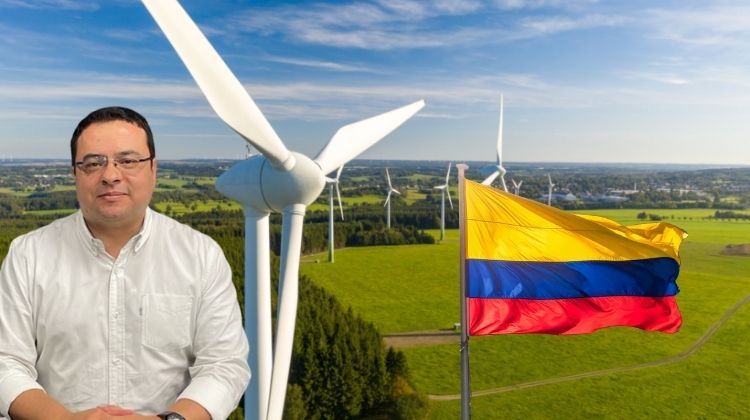
Marco Vera, Managing Director of Vera Energy SAS, said that, given the current political uncertainty and ongoing regulatory changes, it would be more prudent to postpone the auction until July 2026. In his view, a delay would allow for greater institutional clarity and help ensure a stable framework for investment.
According to Vera, the present environment does not offer the necessary conditions to mobilise the investments required by the system, particularly to address the projected firm energy shortfall for the 2029–2030 period. Forecasts from XM, Colombia’s electricity market operator, indicate that available supply will be insufficient to meet future demand, underlining the urgency of bringing new projects online.
“Clear signals must be sent to the market so that projects can move forward with confidence,” the executive stressed.
At the same time, the sector faces a combination of factors that, according to Vera, are discouraging private initiative. These include a government narrative perceived as hostile to private sector participation, proposals to amend Laws 142 and 143 that underpin the current power market model, and the potential elimination of the Reliability Charge (Cargo por Confiabilidad, CxC), a cornerstone of Colombia’s security-of-supply mechanism.
Additional challenges include proposed changes to auction clearing prices and scarcity price activation, increased transfer obligations imposed on renewable projects under the 2022–2026 National Development Plan, and persistent delays in grid expansion and the allocation of connection points.
Vera also pointed to the troubled legacy of the long-term power contract auctions held in 2019 and 2021, where multiple projects stalled due to obstacles related to prior consultation processes and environmental permitting.
Against this backdrop, he recommended that CREG preserve the core design of the auction and introduce only targeted adjustments aimed at encouraging broad and diverse participation. The priority, he argued, should be to enable an expansion of firm energy capacity based on the efficient complementarity of renewable technologies.
Vera noted that there is still no official confirmation of which projects will seek to participate in the auction. The deadline to submit expressions of interest is 30 January 2026, meaning that the final pool of bidders has yet to be defined.
Even so, he suggested that non-conventional renewable energy sources (FNCER) are likely to have the greatest potential to move forward, provided that regulatory conditions are supportive.
A key issue, he emphasised, is the recognition of complementarities between technologies such as solar PV, wind power and biomass in the allocation of OEFs, and ensuring that this translates into adequate revenues. At present, he explained, these projects bear the cost of the CERE (the CxC premium), which distorts their competitiveness within the scheme. He also stressed the need to effectively prioritise transmission capacity for projects that already have environmental approval, as mandated by Resolution CREG 101-094.
Vera’s analysis extends beyond regulation. He identified a strategic opportunity for Colombia at the international level, particularly in strengthening energy ties with the United States. In his view, any dialogue that deepens bilateral cooperation could pave the way for new investment, innovation and partnerships across the energy value chain.
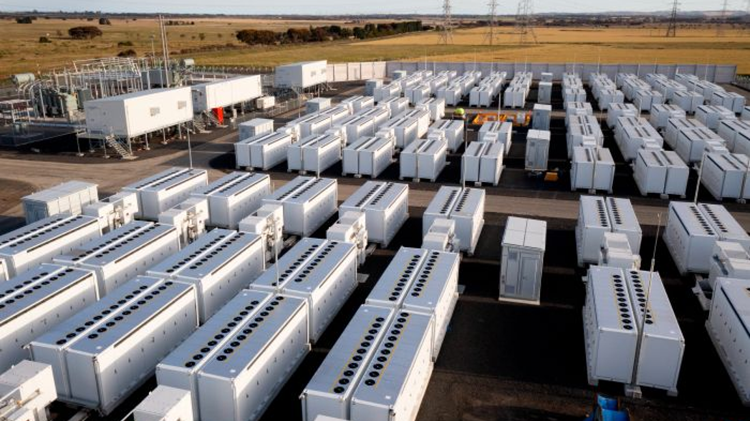
He outlined several areas where technical and financial support from the US could be leveraged: environmentally responsible fracking projects to restore natural gas self-sufficiency; the deployment of advanced nuclear technologies such as Small Modular Reactors (SMRs) endorsed by the International Atomic Energy Agency; the development of green and white hydrogen as energy vectors; and the installation of data centres powered by renewables and battery energy storage systems (BESS), with a view to future complementarity with nuclear generation.
In addition, Vera highlighted the need to accelerate electrical interconnection with Central America via Panama as a first step towards broader regional integration that could eventually include Mexico and the United States. Such a project, he argued, would not only diversify markets but also position Colombia as a strategic energy hub in the hemisphere.
Looking ahead, the head of Vera Energy called for swift but well-founded decisions. For him, Colombia’s priority must be to secure power system expansion under stable rules and a long-term vision.
“We have the potential and the resources, but without the right conditions, investment will not materialise,” he concluded.