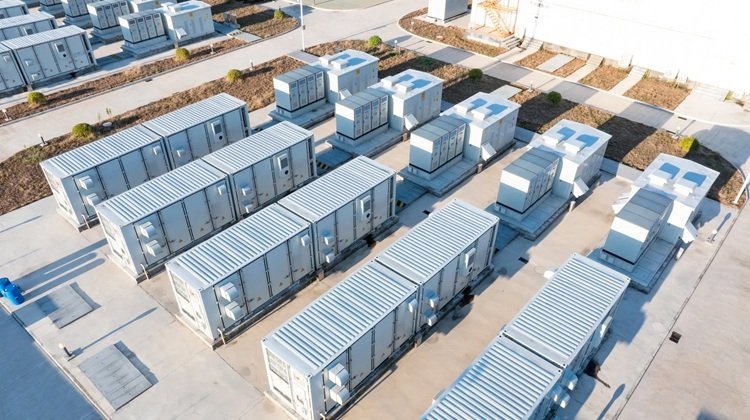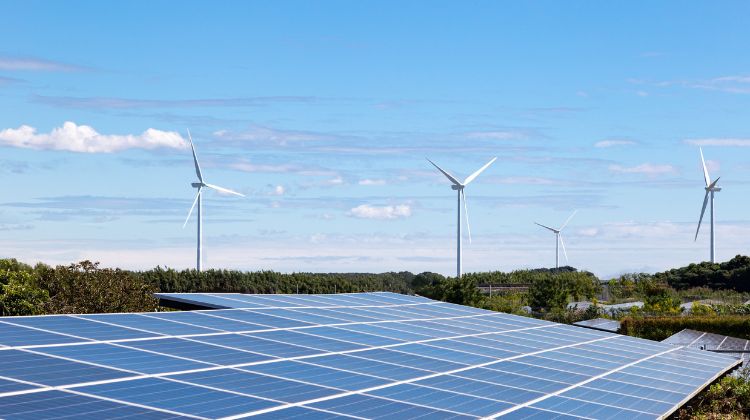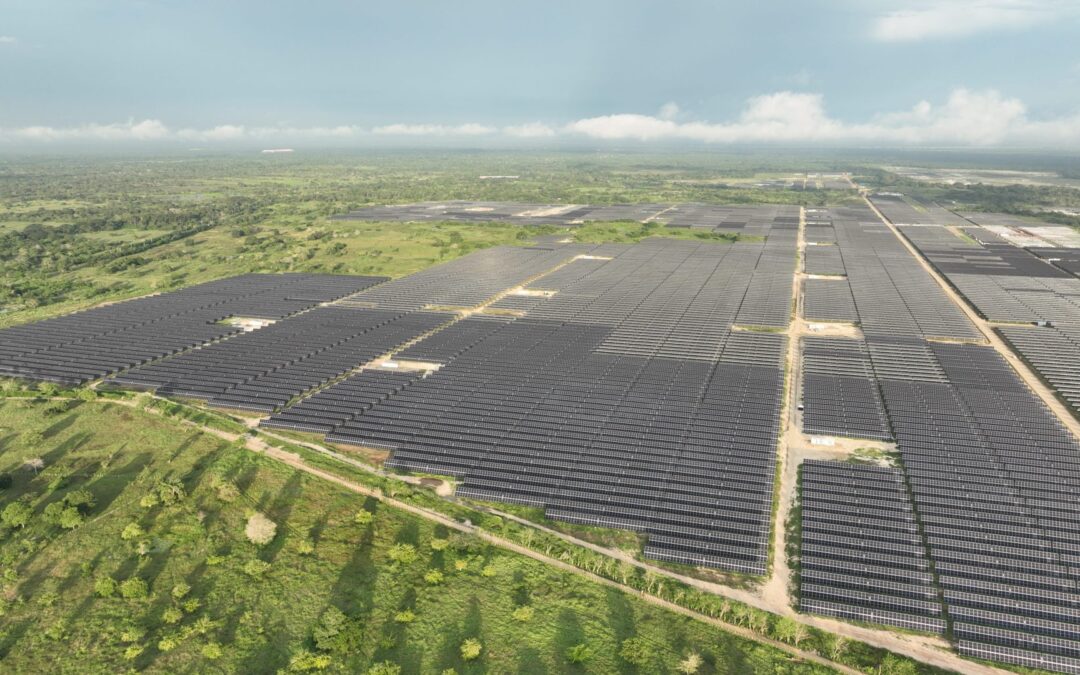









Spain recorded unprecedented growth in battery energy storage systems (BESS) linked to self-consumption in 2025, adding 339 MWh of behind-the-meter capacity compared to 155 MWh in 2024 — a 119% year-on-year increase.
“Storage has ceased to be an ancillary component and has become a central element,” states the 2025 annual report published by Asociación de Empresas de Energías Renovables (APPA).
The residential segment installed 158 MWh of storage, while the commercial and industrial (C&I) segment added 181 MWh, including larger-scale projects and individual installations exceeding 5 MWh.
This surge in energy storage has coincided with the continued expansion of solar PV self-consumption. Spain added 1,214 MW of new distributed generation capacity in 2025, bringing total installed self-consumption capacity to 9,590 MW. These systems generated 10,550 GWh, covering approximately 4.1% of national electricity demand.

Why is BESS deployment accelerating?
According to APPA’s report, the boom has been driven primarily by wholesale electricity price volatility and heightened supply security concerns following the nationwide blackout — referred to locally as the “energy zero” event — on 29 April 2025.
The incident reignited residential and industrial interest in energy independence and backup systems.
Average monthly wholesale prices fluctuated between €16.93/MWh and €108.31/MWh, creating an annual spread of €91.38/MWh. This range strengthens the business case for energy arbitrage — charging batteries during low-price hours and discharging when prices peak.
Beyond price optimisation, storage enables industrial users to manage contracted capacity and reduce peak demand charges. The market increasingly confirms that battery integration is no longer driven solely by savings considerations, but by broader flexibility and operational resilience strategies.
Despite storage growth, annual solar PV installations for self-consumption continue to slow. Spain has now entered what APPA describes as a “maturity phase”, marked for the third consecutive year by a decline in newly installed annual capacity compared to the previous year.
-
Residential installations grew 6.4% year-on-year, reaching 368 MW
-
Industrial installations fell 22%, totalling 846 MW
Installed capacity remains unevenly distributed across Spain’s autonomous communities:
| Region | Self-consumption Capacity (MW) | Storage (MWh) |
|---|---|---|
| Catalonia | 1,812 | 259 |
| Andalusia | 1,775 | 145 |
| Valencian Community | 1,204 | 141 |
These three regions account for roughly half of Spain’s total installed self-consumption capacity.

The 19 GW challenge for 2030
Spain’s Plan Nacional Integrado de Energía y Clima (PNIEC) sets a target of 19 GW of self-consumption capacity by 2030.
With 9,590 MW installed as of the end of 2025, the country must significantly accelerate annual deployment. The report warns that “the current installation rate is clearly insufficient to reach the 19,000 MW target established for the end of 2030”.
To meet this goal, Spain would need to add approximately 1,900 MW per year — well above the 1,214 MW recorded in 2025.
The sector increasingly views energy storage as a strategic lever to sustain growth and maximise the value of distributed generation, particularly under volatile wholesale market conditions.
APPA concludes that Spain urgently requires “an official, comprehensive, updated and fully operational registry of self-consumption installations”. Regulatory development and effective integration of flexibility mechanisms will determine whether the 119% surge in batteries marks a structural turning point — or merely a cyclical rebound within the broader energy transition.