











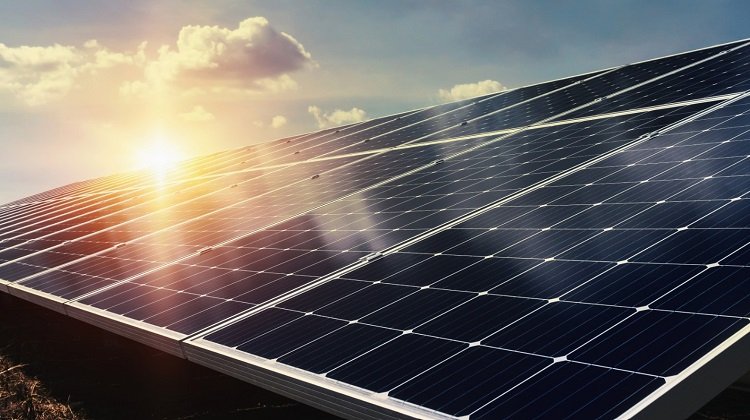
Spain consolidated a new renewable energy growth record in 2025, installing 8,852.7 MW of new capacity. Of this total, 7,896.3 MW came from solar photovoltaic (PV) projects, accounting for 88% of all new renewable capacity added during the year. As a result, cumulative installed solar capacity reached 48,130.6 MW, according to data from Red Eléctrica.
This expansion confirms Spain as one of Europe’s most dynamic solar markets. However, the Spanish Photovoltaic Union (UNEF) warns that regulatory and technical bottlenecks could jeopardise this pace if not urgently addressed. “The blackout last April exposed the challenges the power system still faces,” said UNEF president Rafael Benjumea.
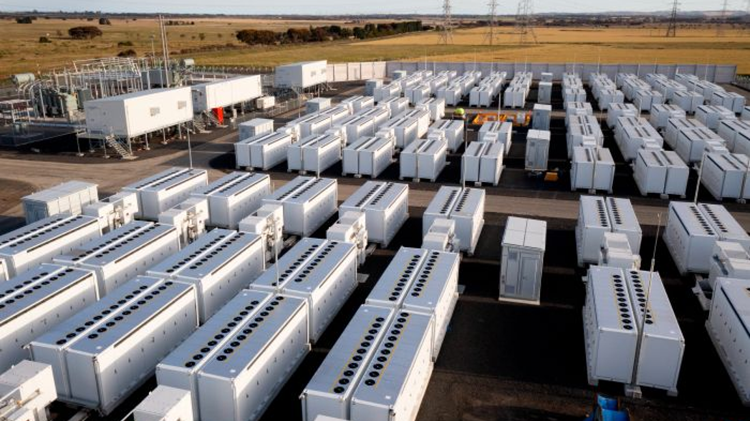
UNEF stresses that the deployment of energy storage and distributed self-consumption is critical to maintaining grid stability and avoiding market distortions such as the increasing number of hours with negative electricity prices. Yet both segments have shown a downturn.
In 2024, only 327 MWh of behind-the-meter storage were installed, representing a 34% year-on-year decline. Meanwhile, solar self-consumption capacity fell by 31%, with just 1,182 MW added nationwide.
“Accelerating storage deployment is now a priority,” Benjumea argued, also calling for grid reinforcement and market design adjustments. UNEF’s annual report shows that projects totalling more than 9.5 GW of storage capacity have already secured grid access permits, but administrative hurdles and the lack of a clear regulatory framework continue to delay their execution.
The photovoltaic industry also highlighted its broader economic and social contribution. In 2024, solar PV added 15.3 billion euros to Spain’s GDP and supported 146,764 jobs across the value chain.
“We are the country of sunshine precisely when solar energy is most needed,” Benjumea noted, pointing out that projects in Spain can be up to twice as profitable as in other European markets, thanks to higher capacity factors.
Regulatory uncertainty remains a key challenge
From a regulatory perspective, expectations were initially focused on Royal Decree-law 7/2025, which included key measures to facilitate renewable integration and support storage development. However, the decree was repealed after failing to secure parliamentary approval and is now being reworked into a new Royal Decree, which by the end of 2025 remains under public consultation.
The sector insists that the new framework must:
-
Introduce clear incentive mechanisms for storage,
-
Streamline permitting processes, and
-
Provide long-term certainty for storage business models.
UNEF has also submitted proposals for the design of Spain’s upcoming capacity market, a long-awaited mechanism that could send economic signals to projects providing flexibility. “Storage is a fundamental technology for power system stability,” Benjumea said, underlining the need for a market design that recognises its systemic value.
In parallel, Spain is reviewing its self-consumption regulation. Following a public consultation launched in October 2024, a new Royal Decree is expected to update RD 244/2019, with measures aimed at:
-
Simplifying administrative procedures,
-
Allowing more flexible surplus energy sharing, and
-
Consolidating the role of the self-consumption manager.
UNEF is actively involved in the process and has submitted a ten-point proposal aligned with Spain’s National Energy and Climate Plan (PNIEC), which targets 19 GW of self-consumption capacity by 2030.
Market conditions are also adding pressure. The growing number of hours with negative wholesale electricity prices is undermining project profitability, particularly during periods of high solar output and low demand. In response, the sector is calling for urgent adjustments to the remuneration framework, including reforms to the RECORE support scheme and the relaunch of renewable auctions that incorporate flexibility and storage criteria.
Despite solid progress, warning signs persist. During 2025, over 40 GW of new renewable capacity applied for grid access, yet only 4.5 GW were approved. Another 25 GW were rejected due to lack of grid capacity, while 8.5 GW remain under review, making grid saturation an increasingly critical constraint.
Looking ahead to 2026
UNEF emphasises that Spain’s solar ecosystem benefits from unique strengths, including a consolidated industrial base, leadership in innovation and a growing distributed generation segment that is already stimulating local economies. However, these advantages must be backed by a clear roadmap, combining regulatory reform, investment incentives and long-term grid planning.
“The work carried out in 2024 has prepared us for today’s challenges,” Benjumea concluded. Looking towards 2026, the sector’s goal is to sustain growth on a more stable and flexible foundation, aligned with the requirements of a decarbonised, resilient and competitive power system.