










The Spanish Hydrogen Association (AeH2) has signed five new memoranda of understanding (MoUs) with the Hydrogen Energy Association (United Kingdom), GIZ (Germany), H2 Perú, the Mexican Hydrogen Society and Hydrogen Colombia, reinforcing Spain’s international collaboration in the hydrogen sector.
These agreements establish cooperation platforms between industry, governments, universities and research institutes. Their aim is to foster innovation, facilitate knowledge exchange and accelerate technological and industrial development at a global scale, strengthening hydrogen as a key vector in the energy transition.
The partnerships were formalised during the European Hydrogen Congress 2026, held in Seville from 11 to 13 March. The event brought together leading stakeholders from across the hydrogen value chain to showcase innovative projects, technological progress and studies on hydrogen’s role in the decarbonisation of the economy.
According to Javier Brey, president of AeH2, “hydrogen has moved beyond being a promise to become a growing industrial reality. In this new phase, characterised by large-scale deployment, international cooperation is essential to share knowledge, develop infrastructure, generate demand and establish stable regulatory frameworks that provide confidence for investment”.
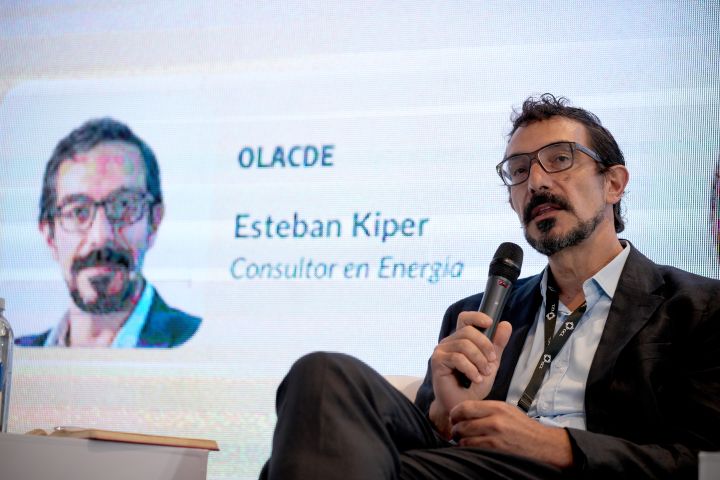
The latest edition of the congress also hosted two high-level meetings involving representatives from international organisations, including delegates from Mexico, Finland, the United Kingdom, China, Costa Rica, Romania, Peru, Germany and Colombia. These sessions provided insights into the status of hydrogen markets worldwide and examined key challenges and opportunities to accelerate global deployment.
Discussions highlighted that access to renewable energy resources remains a critical factor in positioning countries within the emerging hydrogen economy. Regions with abundant solar PV and wind power resources are better placed to attract investment and develop large-scale industrial projects.
At the same time, participants stressed the need to build robust demand and develop enabling infrastructure—such as transport networks, storage facilities and refuelling stations—as well as to implement clear and stable regulatory frameworks to support the sector’s transition from innovation to industrial maturity.
Speakers also underlined hydrogen’s strategic role in transforming and decarbonising hard-to-abate industries, alongside the importance of identifying industrial and logistics ecosystems capable of creating internationally competitive hydrogen hubs.
In this context, there was broad consensus that the sector’s growth will depend on effective global cooperation, supported by partnerships between associations, companies and institutions, capable of driving projects, creating markets and accelerating hydrogen integration into a diversified and resilient energy system.
The Spanish Hydrogen Association currently represents more than 350 members across the entire hydrogen value chain, including renewable energy developers, equipment and component manufacturers, engineering and EPC (engineering, procurement and construction) firms, oil and gas companies, industrial gas providers, transport operators and other organisations linked to the sector.