










Spain has begun 2026 by reinforcing its position as one of Europe’s renewable energy leaders. In January, 56.1% of electricity generated in the mainland system came from renewable sources, including estimated self-consumption.
According to the Spanish transmission system operator Red Eléctrica de España (REE), the official figure excluding self-consumption stood at 50.3%. Distributed solar PV added a further six percentage points, highlighting the growing weight of decentralised generation in the country’s power mix.

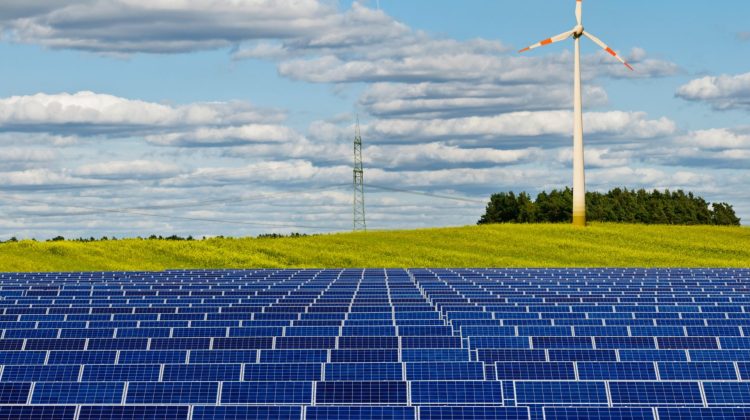
This performance rests on a solid foundation: more than 80 GW of installed renewable energy capacity. Of this total, 48,130.6 MW corresponds to solar photovoltaic (PV) and 33,150.3 MW to wind power, consolidating Spain’s leadership in utility-scale solar PV and onshore wind in Europe.
The strong renewable share came amid declining electricity demand. In January, mainland consumption reached 21,953 GWh, down 2% year-on-year compared with January 2025. This marks the third consecutive month of annual contraction.

The trend reflects a combination of structural and cyclical factors, including energy efficiency gains, distributed electrification, milder temperatures and reduced industrial activity in certain sectors.
Despite the contraction in demand, clean energy technologies dominated generation:
-
Wind power: 23.9% (4,858 GWh)
-
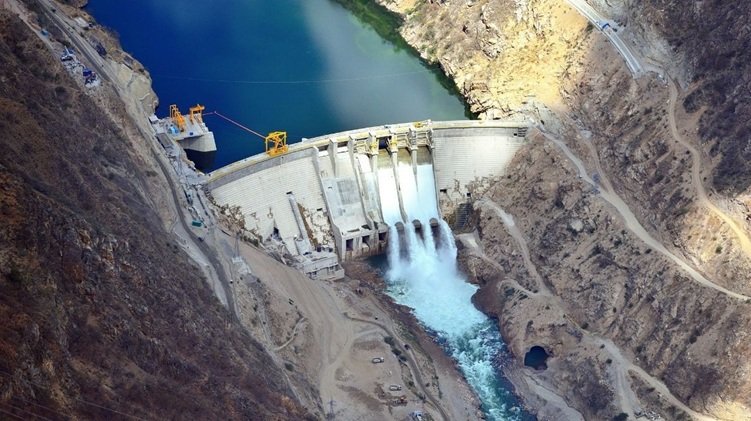
Hydropower: 12.7%
-
Solar PV: 6.7%
-
Nuclear: 20.9%
Overall, emission-free technologies — including nuclear — accounted for 71.2% of total monthly generation.
Solar self-consumption continues to play a strategic role in Spain’s energy transition. According to the Unión Española Fotovoltaica (UNEF), the country closed 2025 with 9.3 GW of installed self-consumption capacity.
During 2025 alone, 1,139 MW were added, including 229 MW in the residential segment. However, annual growth slowed by 3.7% compared with 2024, suggesting a moderation following the post-pandemic expansion of distributed generation.
Self-consumption — a key driver of distributed generation and grid flexibility — remains central to Spain’s strategy to expand renewable energy while alleviating pressure on transmission networks.
The dynamism of the renewable sector is also evident in the permitting pipeline. In the first three weeks of January alone, 50 renewable projects entered the environmental approval process, representing more than 1.6 GW of capacity.
Solar PV accounted for over 90% of this new capacity, with a strong presence in Castilla-La Mancha, Andalusia, Extremadura and Aragón — regions that have become hubs for utility-scale solar development.
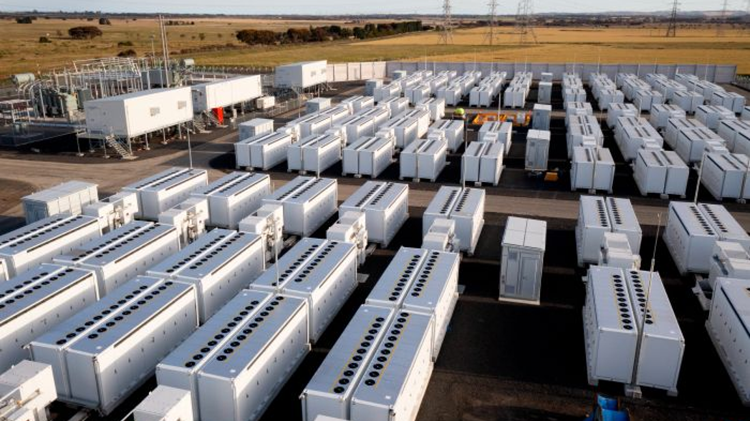
Leading developers include Opdenergy, Forestalia, Iberdrola, Elawan and Capital Energy, several of which have submitted projects exceeding 100 MW. In multiple cases, developers are incorporating battery energy storage systems, reflecting the growing importance of energy storage and grid integration in Spain’s renewable expansion.
Spain ended 2025 with more than 80 GW of installed renewable capacity, moving closer to the targets set under the Plan Nacional Integrado de Energía y Clima (PNIEC). The plan aims to achieve 74% renewable electricity generation by 2030.
However, meeting that objective will require the addition of more than 50 GW of new renewable capacity over the next four years. This expansion will demand:
-
Increased investment in grid infrastructure
-
Streamlined permitting procedures
-
Stable and predictable regulatory frameworks
-
Greater deployment of energy storage solutions
These structural challenges will shape Spain’s next phase of energy transition.
FES Iberia to focus on electrification and storage
The sector’s strategic debate will take centre stage at the Future Energy Summit Iberia (FES Iberia), scheduled for 12 February in Madrid. The event will bring together more than 50 industry leaders, including public authorities, utilities, investment funds and renewable energy developers.
Key themes will include electrification, solar self-consumption, battery energy storage and grid modernisation — all critical pillars for consolidating a robust and competitive energy transition.
With more than 56% clean generation in mid-winter, over 80 GW of installed renewables and 9.3 GW of distributed solar capacity, Spain is reaffirming its leadership in Europe’s renewable energy market.
The start of 2026 reflects not only technical and territorial progress but also a broader political and economic challenge: sustaining this momentum and converting it into a structural competitive advantage within the evolving European energy landscape.