










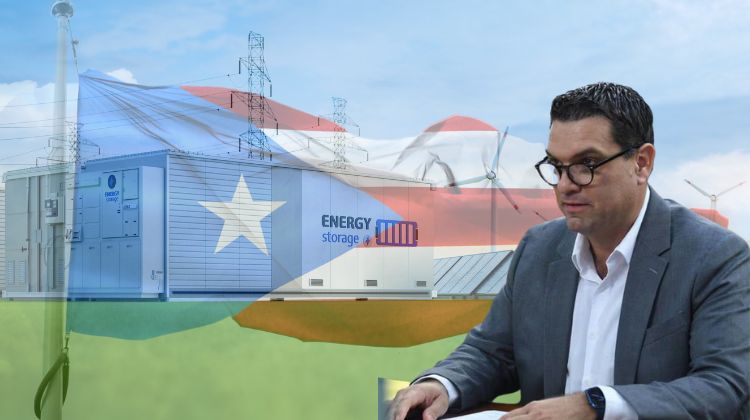
Puerto Rico is positioning itself as a regional reference in distributed energy storage through a model that combines citizen participation with scalable technology. The CBES+ (Customer Battery Energy Sharing) program links 81,000 households that contribute their stored energy to the grid, lowering the likelihood of nighttime blackouts. It is considered the first behind-the-meter virtual battery plant in Latin America and the Caribbean, with room to expand and potentially double its current size in the near term.
More than 185,000 residential batteries are already operating on the island, typically offering 13 kWh of usable energy and 5 kW of continuous discharge. These systems ensure backup capability for homeowners while adding stability to Puerto Rico’s power grid.
The program’s growth has both technical support and political backing. According to the Solar + Energy Storage Association of Puerto Rico (SESA), Chief Policy Officer Javier Rúa-Jovet noted that the system “prevents nighttime blackouts for all Puerto Ricans” and stated that “we can extend it to 80,000 additional homes” without operational complications.
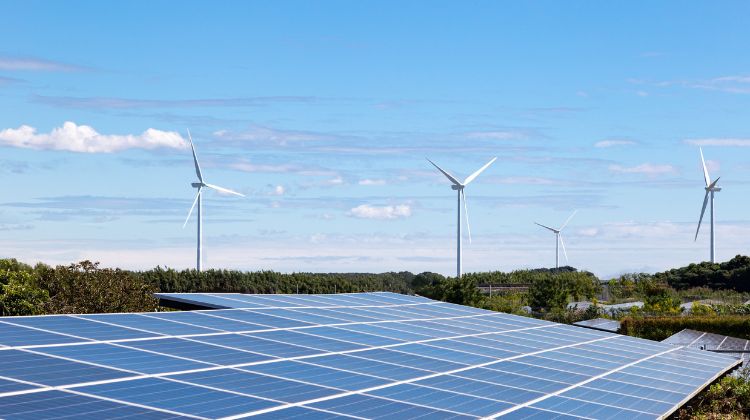
The initiative advances alongside the steady adoption of distributed solar PV. Puerto Rico has surpassed 1.3 GW of residential and commercial solar installations. The trend is expected to continue through 2026 and beyond, with more than 3,000 new rooftop solar systems of at least 6 kW added each month, most paired with batteries. At that rate, the island would incorporate around 300 MW of new solar PV annually, reaching more than 3 GW of installed storage by 2029.
Regulatory developments also define the sector’s direction. The island’s net metering policy, a key economic pillar of its distributed solar ecosystem, is currently under judicial review. The Puerto Rico Senate is defending the framework against a challenge filed by the Financial Oversight and Management Board in federal court. Rúa-Jovet described net metering as “the backbone of the distributed solar industry,” with relevance for systems ranging from under 1 kW to 5 MW, and affirmed that its legal protection will continue until its scheduled validity in 2030.
A regional and global outlook
On the international front, Rúa-Jovet expressed concern over what he sees as limited progress in global climate policy. He argued that COP30 reflected a setback in renewable energy leadership. “COP30 was a win for China and a disaster for the United States, which has puzzlingly surrendered its leadership in renewables to the rising superpower under Chinese dictatorship,” he said. In his view, the summit did not address what he considers the defining challenge of this era: eliminating emissions from the energy and transport sectors.
While global forums debate long-term strategies, Puerto Rico is implementing concrete measures. CBES+ illustrates how innovation, regulation and public involvement can converge in a resilient energy model. The island is strengthening its energy security and emerging as a regional example—potentially global—with one of the largest and most advanced virtual battery plants in operation.