









The rapid expansion of renewable energy and the increase in electricity demand are beginning to put pressure on Spain’s power system infrastructure. In this scenario, energy storage is starting to position itself as a key tool to provide flexibility to the grid and facilitate the integration of clean generation.
Spain is currently undergoing a strong expansion of renewable capacity. In 2025 alone, the country added around 11 GW of new renewable power, while electricity demand increased by around 2.8%, driven by the electrification of different sectors of the economy.
This simultaneous growth in renewable generation and electricity consumption creates new operational challenges for the system. The variability of technologies such as solar and wind requires greater levels of flexibility, a role that energy storage is increasingly beginning to fulfil.
In this context, POWEROAD stated that the energy transition is generating new pressures on electricity networks in several markets.
“In some locations, the grid is approaching its capacity limits, making it more difficult to accommodate new high-power demand such as fast-charging stations,” the company highlighted.
Battery systems can help manage consumption peaks, optimise the use of existing infrastructure and improve the integration of renewable generation.
According to POWEROAD, their role is also becoming particularly relevant for the development of electric mobility infrastructure.
“In fast-charging infrastructure, energy storage can help relieve grid capacity constraints, improve grid access and enhance overall system flexibility,” the company explained.
Interest in these solutions is also reflected in the evolution of the Spanish market. As renewable generation increases and electricity consumption becomes increasingly electrified, energy storage is beginning to occupy a more central role in the development of the power system, both in hybrid renewable projects and in distributed energy management solutions.
Global experience, technology and growth strategy
The deployment of energy storage is accelerating globally, with applications ranging from industrial self-consumption to large-scale systems connected to the grid.
POWEROAD has accumulated experience in different markets through projects developed across multiple energy applications.
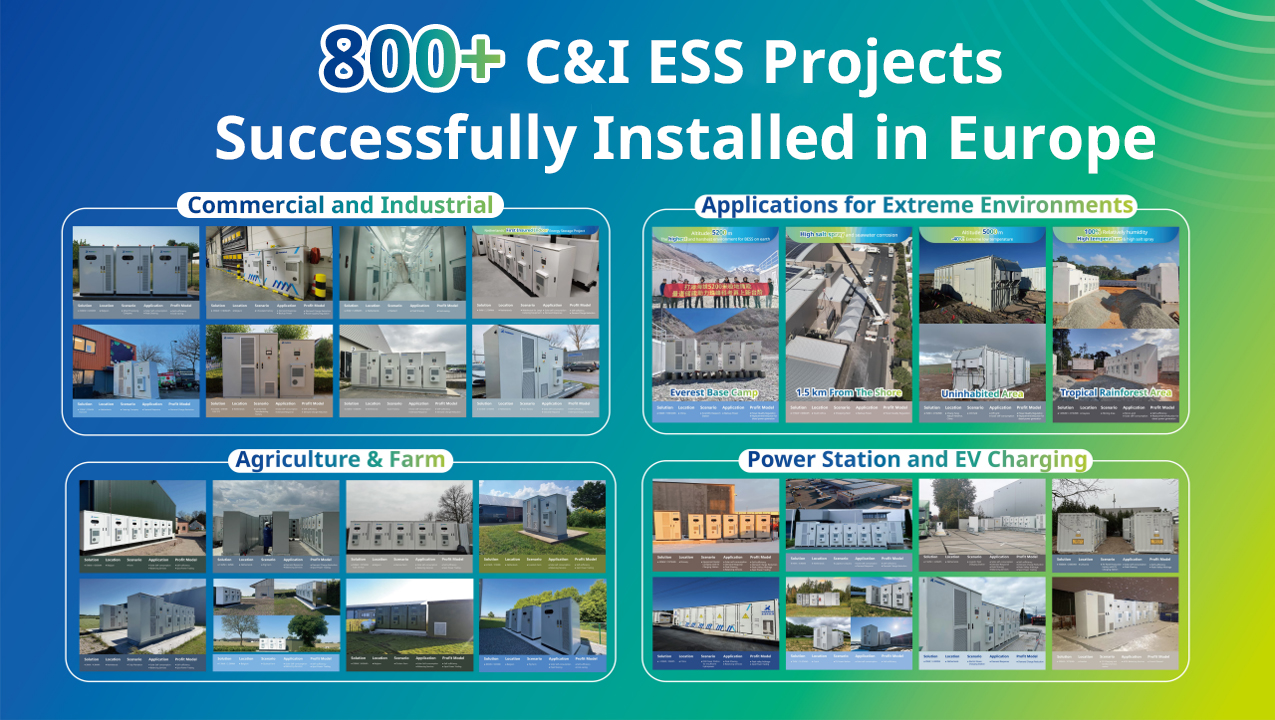
“We have delivered more than 800 energy storage projects in over 70 countries and regions, covering residential, commercial and industrial applications as well as utility-scale systems,” the company said.
In the European market, and particularly in Spain, the company is working on different implementation models. These include projects linked to commercial and industrial self-consumption, energy cost optimisation, solar systems combined with storage and participation in electricity markets.
The combination of solar plants and storage is emerging as one of the most relevant developments in Spain’s energy sector. This configuration allows surplus renewable generation to be stored, plant operation to be optimised, and flexibility services to be provided to the power system.
“Our projects focus on commercial and industrial self-consumption, solar systems combined with storage and participation in electricity markets or demand response programmes,” the company stated.
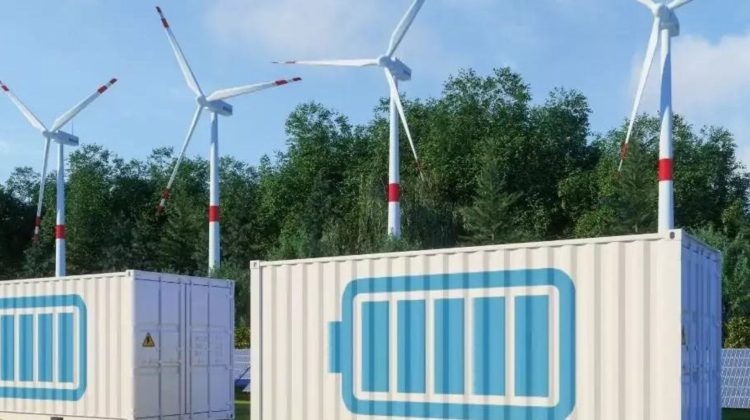
System capacities vary depending on the application. Projects can range from hundreds of kWh to tens of MWh, covering both industrial energy storage systems and containerised solutions for larger-scale applications.
Another distinctive element of the company’s approach is its involvement throughout the entire project lifecycle. POWEROAD participates from the initial design stage to system operation, including profitability analysis, commissioning, grid connection and maintenance.
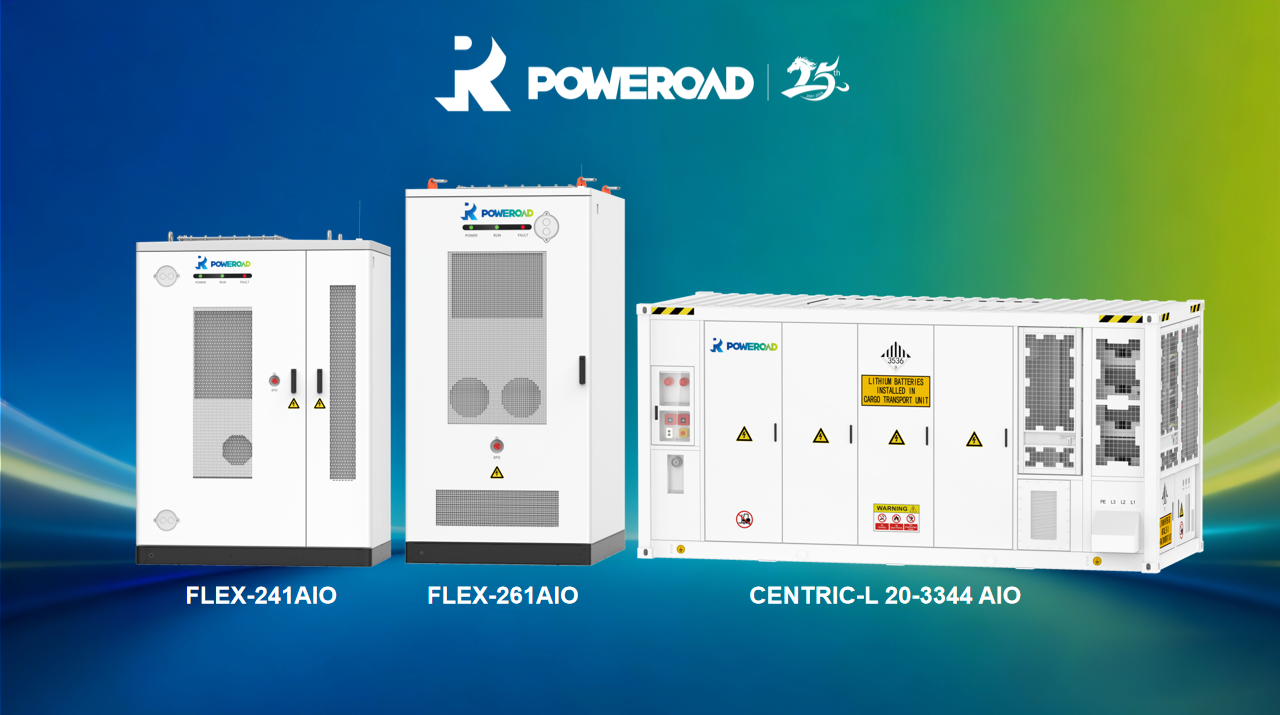
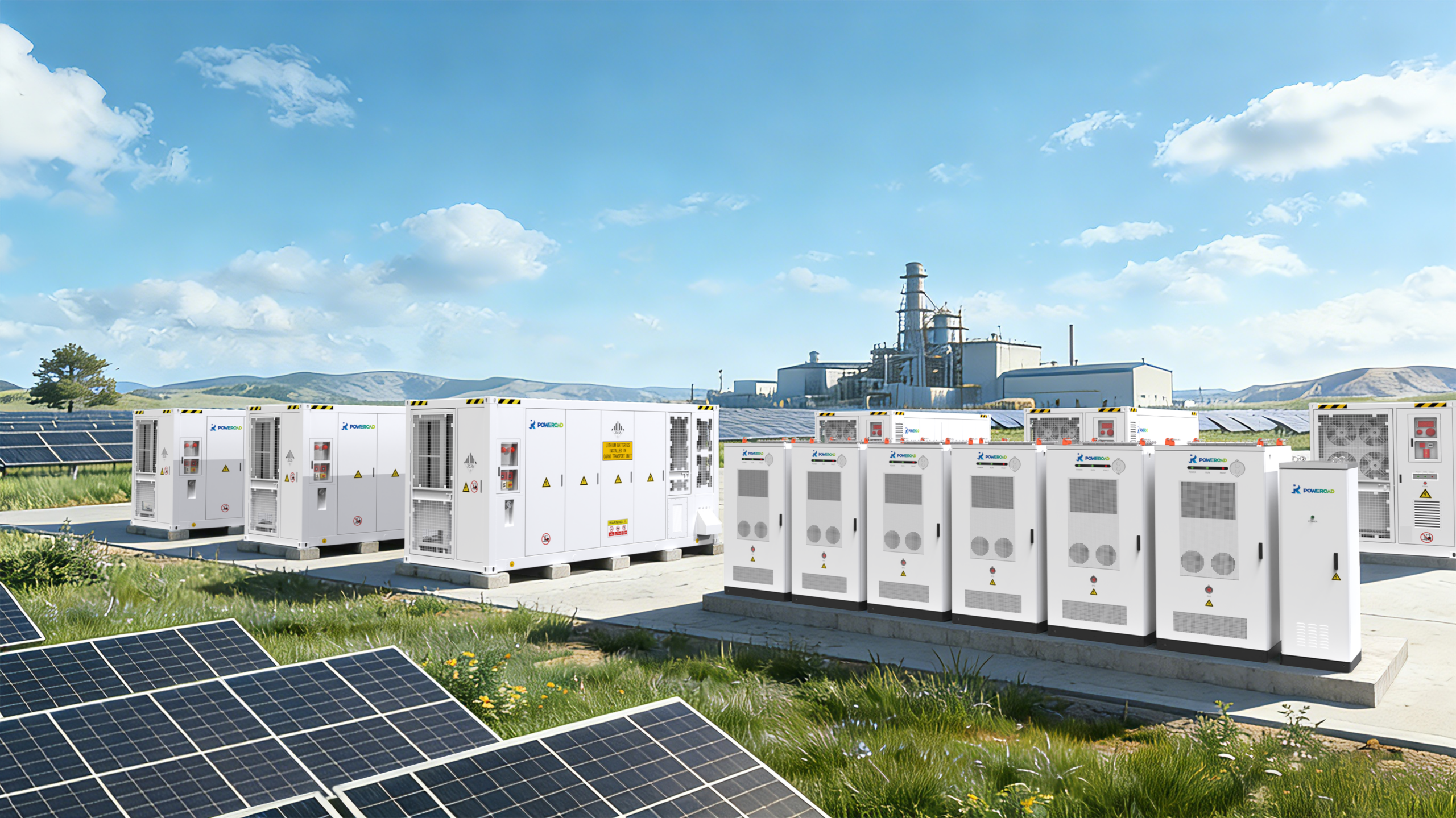
From a technological perspective, the company has developed several energy storage platforms designed for different application scenarios, including the FLEX-261 AIO liquid-cooling system, the CENTRIC-L 20-3344 AIO containerised system and the FLEX-241 air-cooling system.
These solutions integrate battery systems, thermal management and energy management platforms, facilitating deployment across diverse environments and applications.
The growing penetration of renewable energy also reinforces the role of storage in modern power systems. As countries move towards cleaner energy structures, batteries are increasingly becoming a key infrastructure element to improve grid flexibility, support variable generation and enable distributed energy models.
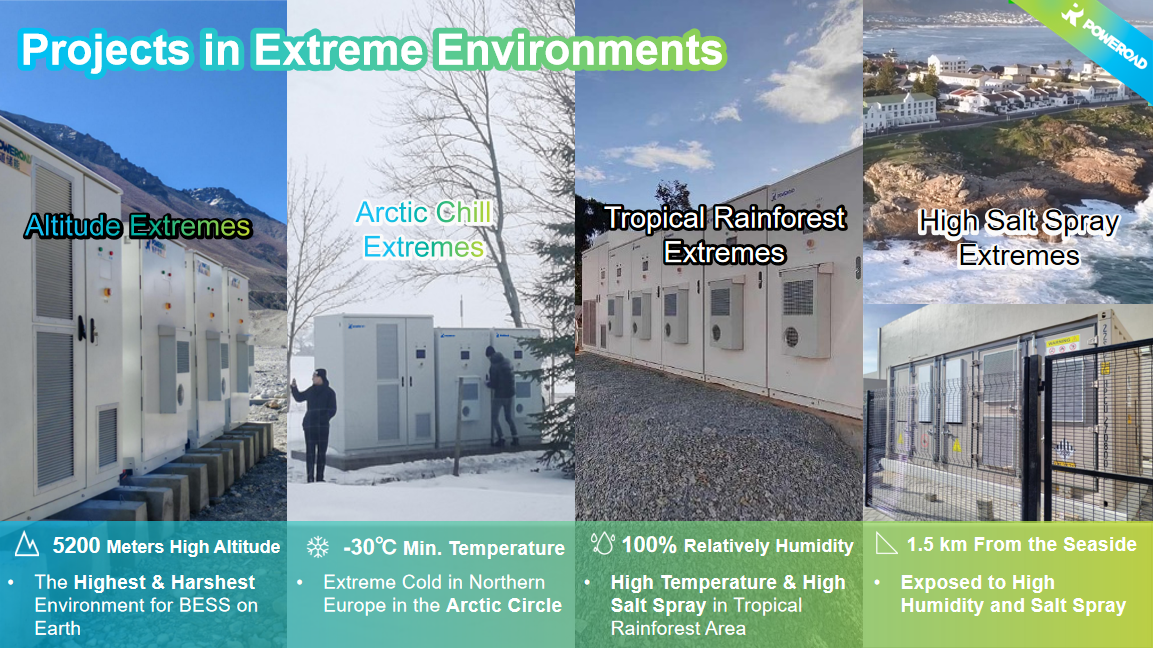
POWEROAD’s international experience also includes projects developed in extreme environments. One of the most notable cases is located at Everest Base Camp, at an altitude of around 5200 metres, where a battery system supports solar self-consumption in a remote area with limited electricity supply.
The company has also deployed solutions in Arctic conditions. In Sweden, for example, a storage system operates at temperatures of –30°C, providing frequency regulation services.
Other projects include a 1 MW / 2.15 MWh microgrid in a mining site in Guyana, located in a tropical rainforest environment with humidity levels close to 100%, as well as a PV + ESS system in South Africa installed in a coastal area exposed to high salinity.
Looking ahead, POWEROAD plans to continue expanding its international presence while strengthening the technological development of its energy storage solutions.
“Over the next three to five years, we will continue focusing on technological innovation, global expansion and the development of safe and reliable energy storage systems,” the company stated.
At the same time, the firm aims to expand the role of storage in new energy scenarios, including renewable integration, microgrids and electric vehicle charging infrastructure.
Sustainability is also part of the company’s strategy. Several of its products received ESG certifications from Bureau Veritas in 2025, recognising the company’s practices in environmental, social and governance standards.