











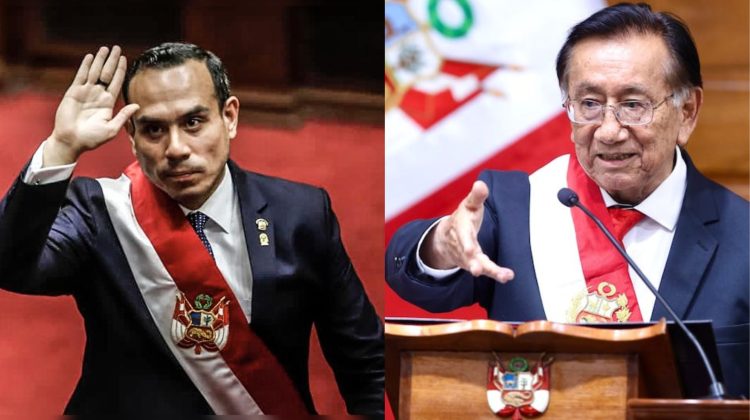
Peru’s Congress has removed interim President José Jeri just two months ahead of the general elections set for 12 April, deepening political instability in a country that has seen eight presidents in the past decade. The move comes at a critical juncture for the energy sector, where around USD 12 billion in renewable energy investments remain stalled pending regulatory clarity.
Following the parliamentary vote, lawmakers appointed José Balcázar as interim president. He took office on 18 February and is expected to remain in the role until 28 July, when he must hand over power to the president elected in April.
Balcázar, who comes from the legislative branch and has links to left-leaning political groups, introduces fresh questions over the economic and energy policy direction during this transitional period.
Jeri’s removal follows a chain of institutional crises that began with the impeachment of former President Pedro Castillo in 2022 and the subsequent administration of Dina Boluarte, whose term was marked by social unrest and political controversy. Since then, governability has become a critical variable for investors, particularly in regulated industries such as electricity and renewable energy.
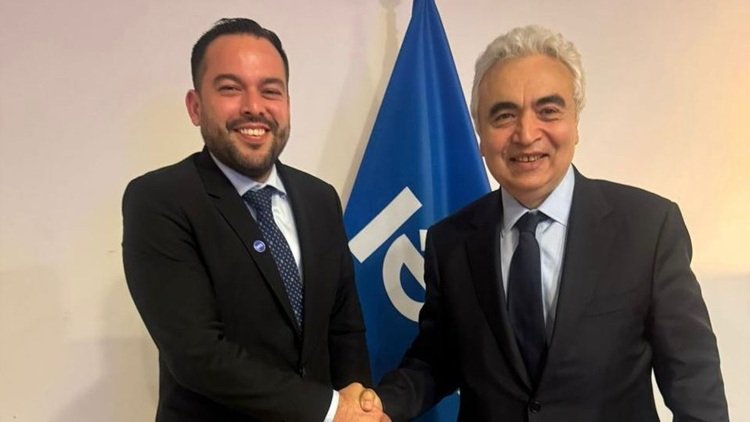
The electricity sector itself has also experienced leadership changes. Francisco Mendoza was appointed Vice-Minister of Electricity amid a broader effort to modernise energy planning and grid management. More recently, Nilo Pereira Torres assumed the vice-ministerial role at a time when administrative continuity is essential to sustain renewable energy policy amid political noise.
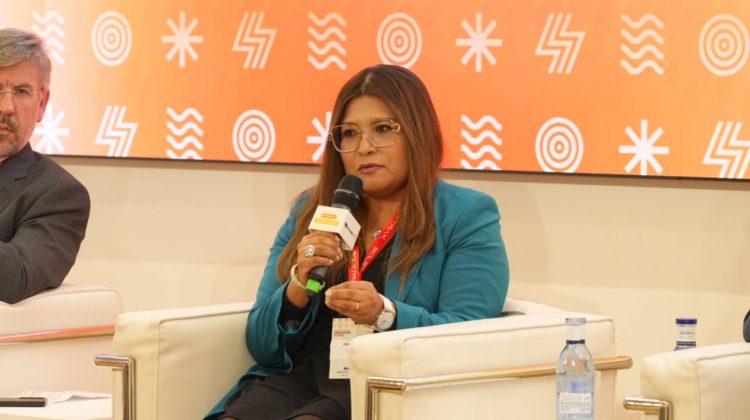
Parallel to political developments, the renewable energy industry association has also seen changes. Raquel Carrero, former Chief Executive of the Peruvian Renewable Energy Association, announced her departure, stating that leading the organisation had been “an honour” and emphasising that “much remains to be done to achieve a genuine energy transition in Peru”.
The political reshuffle comes at a decisive moment for Peru’s renewable energy market. Approximately USD 12 billion in planned solar PV and wind power projects remain on hold, awaiting regulatory definitions that would enable financial close and project execution.
At the centre of the debate is the pending regulation of Law 32249, widely regarded by industry stakeholders as a strategic reform to unlock renewable generation and modernise electricity procurement mechanisms. Without implementing regulations, developers face constraints in structuring long-term power purchase agreements (PPAs), securing predictable revenue streams and obtaining international project finance.
In a context of political transition, regulatory predictability is particularly relevant. Any shift in energy priorities could affect expansion timelines, grid integration planning and competitive auction frameworks.
Key issues affecting Peru’s renewable pipeline
| Factor | Current status | Impact on the market |
|---|---|---|
| Law 32249 regulation | Pending secondary legislation | Delays project structuring and bankability |
| Renewable auctions (2026) | Announced but not yet designed | Uncertainty over the procurement model and volumes |
| Political transition | Interim government until July | Potential shift in energy policy priorities |
| Investment pipeline | ~USD 12 billion in solar and wind | Financial close contingent on regulatory clarity |
2026 renewable auctions under scrutiny
Renewable energy auctions scheduled for 2026 are expected to play a central role in expanding the share of clean energy in Peru’s power mix. These competitive tenders are designed to attract investment in renewable energy through long-term supply contracts, strengthening the country’s decarbonisation pathway and enhancing energy security.
However, their implementation will depend heavily on the direction adopted by the next administration following the 12 April elections.
For the energy sector, these programme differences are far from marginal. The approach taken by both the interim leadership and the incoming government could influence the speed of implementation of Law 32249, the design of future renewable energy tenders and the framework for private participation in electricity infrastructure.
With the electoral calendar advancing and a temporary presidency in place, renewable energy developers, investors and international lenders remain closely focused on short-term decisions related to regulation, grid planning and procurement mechanisms — all of which will determine whether Peru can reactivate its pipeline of solar PV and wind power projects and strengthen its position in Latin America’s renewable energy market.