
by Strategic Energy | Nov 26, 2025
The partnership will supply Coca-Cola’s concentrate plant in Buenos Aires and its storage center in Ezeiza with electricity generated from wind and solar energy sources.

by Juan Ignacio Barrea | Nov 25, 2025
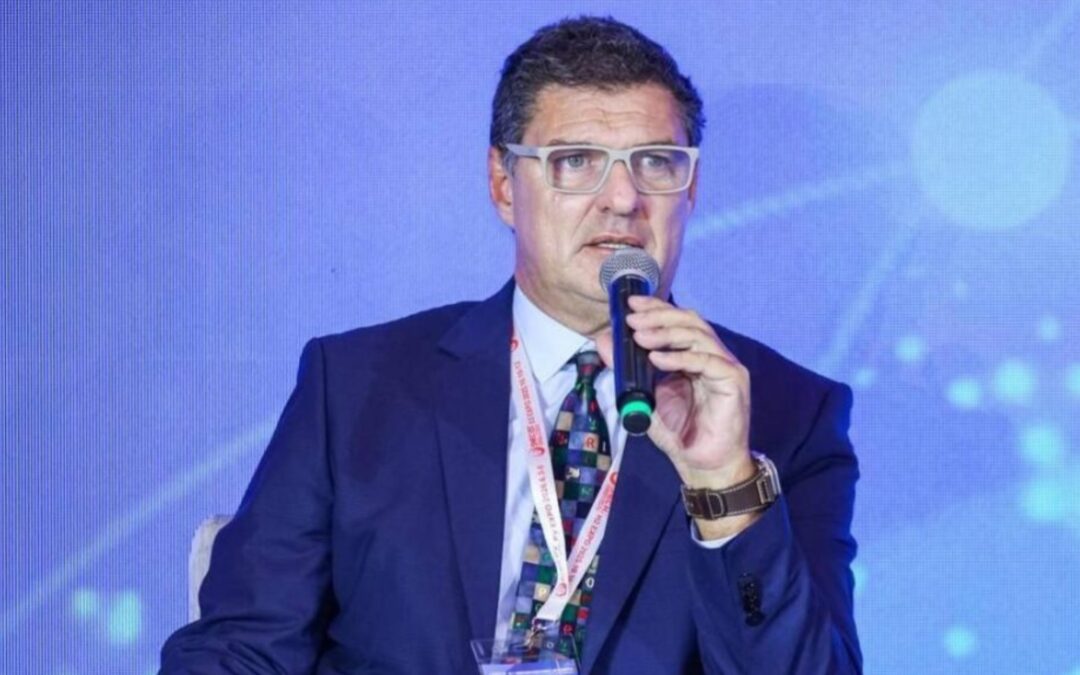
Héctor Nuñez, North Latam Director at Sungrow, emphasized during FES Colombia that the steep decline in battery costs is enabling solar PV plants to integrate storage systems without compromising their economic viability.

by Strategic Energy | Nov 25, 2025
The Inter-American Development Bank approved a USD 70 million loan to strengthen 500 kV and 220 kV infrastructure in the metropolitan area.
by Strategic Energy | Nov 25, 2025
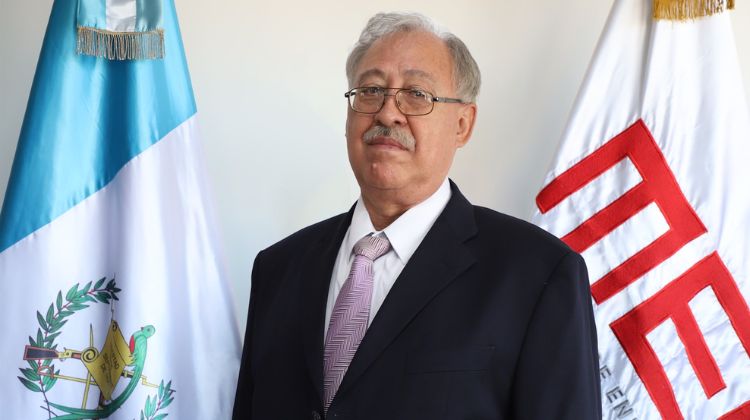
The vote took place during CADER’s Ordinary General Assembly, where members reviewed the outgoing Board of Directors’ performance and elected a new Board to serve for the 2026–2027 term.

by Lucia Colaluce | Nov 25, 2025
With three projects now operating in Brus Laguna, Guanaja and Patuca, the country has added 54 MW of state-owned solar capacity through an investment of 1.588 billion lempiras. This expansion aligns with a national roadmap targeting more than 3,000 MW of new renewable capacity by 2030 and comes just weeks before the presidential elections on 30 November.
by info strategicenergycorp | Nov 24, 2025
The government is reassessing key infrastructure initiatives to strengthen the power grid, accelerate clean generation projects and improve long-term investment conditions across the electricity sector.

by Emilia Lardizabal | Nov 24, 2025
José Oscar Rubí González, Commercial Director at SL Rack, anticipates that the combination of agriculture and solar energy will gain momentum as a technological standard in both regions, which are moving forward with pilot projects and new public incentive schemes. The company is showcasing specialized solutions designed for this model at GENERA. How are industry players positioning themselves in response to this emerging demand?

by info strategicenergycorp | Nov 24, 2025
A new Inter-American Development Bank report cautions that outdated transmission networks are forcing massive curtailments of renewable energy across Latin America and the Caribbean—putting the region’s energy transition at risk unless investment, regulation and planning are modernized.

by Lucia Colaluce | Nov 24, 2025
With more than 25 years in the energy sector, the Spanish engineering firm SISENER enters the PV Book 2025 highlighting its end-to-end approach: customized hybrid systems combining solar PV, wind power, BESS and green hydrogen, enhanced by SAGLAN, a digital platform that optimizes every project stage from design to O&M.

by Emilia Lardizabal | Nov 20, 2025
According to Mexico’s updated Nationally Determined Contribution (NDC 3.0), nearly 70% of all new installed capacity between 2025 and 2030 is expected to come from renewable technologies such as solar PV, wind power and energy storage. The roadmap also highlights the expansion of distributed generation schemes and major upgrades to the national power grid to support long-term climate and clean-energy targets.






 November 26, 2025Coca-Cola Argentina and Genneia Advance the Shift Toward Renewable Energy

