by Strategic Energy | Mar 19, 2025
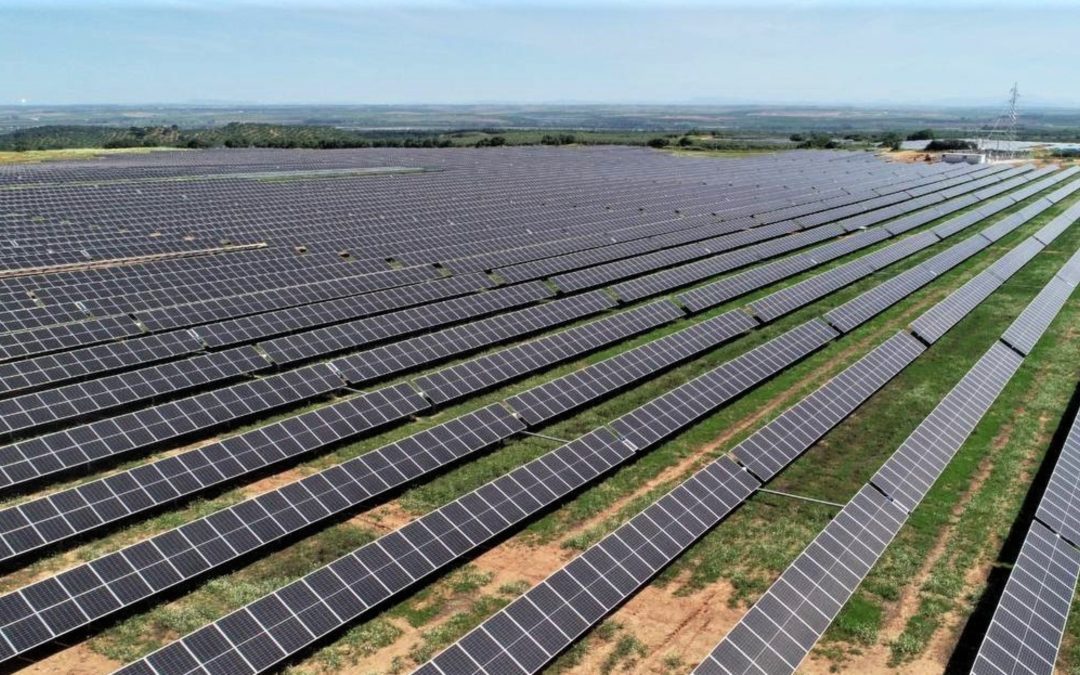
The project will include the supply of over 1,400 1P solar trackers from Gonvarri Solar Steel, which will support 140,000 state-of-the-art solar modules.
by Strategic Energy | Mar 18, 2025
The average time to connect a photovoltaic project to the grid in the European Union remains at four years, with delays extending up to eight years in some cases. This situation slows the deployment of renewable energy and generates additional costs for developers, compromising the region’s decarbonization goals.

by Lucia Colaluce | Mar 18, 2025
The government is allocating 154 million euros to two new innovation and technology centers, located in Chemnitz and northern Germany, which will focus on improving hydrogen competitiveness and promoting its integration into the industry, addressing key challenges such as costs and infrastructure.

by Milena Giorgi | Mar 18, 2025
The ministerial meeting was marked by discussions on affordable energy prices, energy security in the European Union, and the situation in Ukraine. Spain also endorsed a 90% emissions reduction target by 2040 and obtained approval for a €700 million aid scheme for energy storage.

by Lucia Colaluce | Mar 18, 2025
Poland’s microinstallation sector reached a historic milestone in 2024, with more than 1.5 million units and a total installed capacity of 12.7 GW. Solar energy dominates the landscape, accounting for 99% of all installations. However, the sector’s rapid growth poses challenges for grid stability and the energy market.

by Milena Giorgi | Mar 18, 2025
The energy sector celebrates the five pilot projects approved by MITECO, highlighting their potential to drive innovative business models. “It was a necessary step,” says Abelardo Reinoso, emphasizing the importance of experimenting without regulatory restrictions to transform the electricity grid.

by Emilia Lardizabal | Mar 18, 2025
With a new regulatory framework allocating 4,700 MW of connection capacity for storage projects, Greece aims to reduce renewable energy curtailment and ensure grid stability. However, the solar sector warns that at least 8 GW of storage will be needed to prevent significant financial losses.

by Strategic Energy | Mar 18, 2025
The public consultation will be open until April 25, allowing interested parties to submit their comments on the proposed framework.
by Strategic Energy | Mar 18, 2025
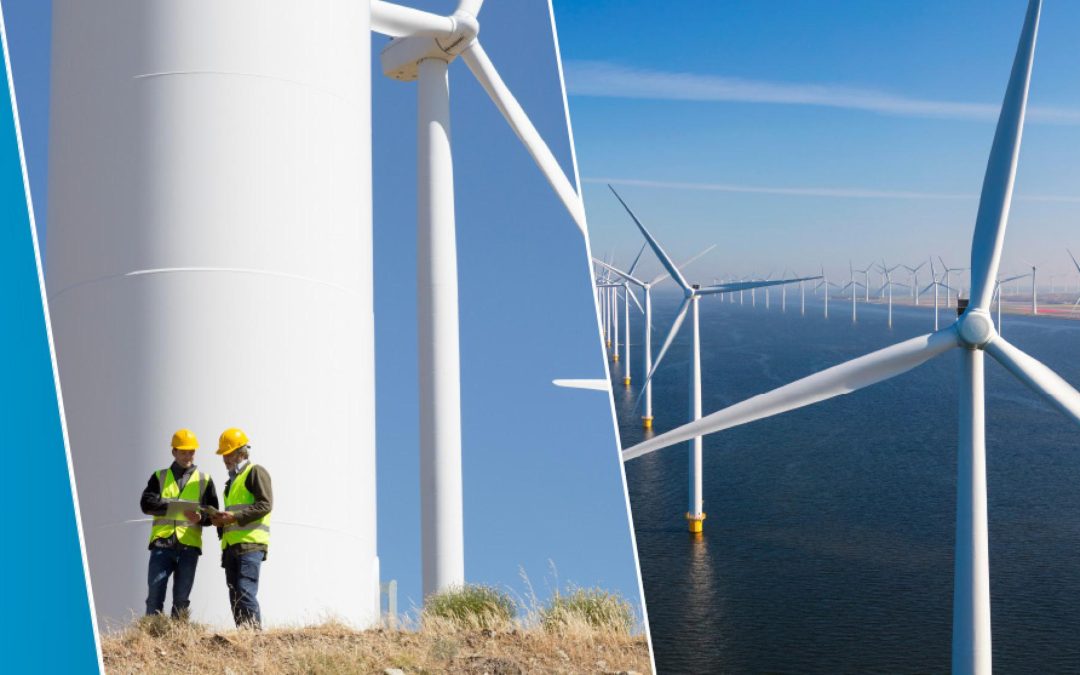
Wind energy is key to the energy transition in Europe, with a target of 42.5% renewable consumption by 2030. The EU leads turbine manufacturing and expects to generate thousands of jobs in the sector, boosting its green economic growth.

by Lucia Colaluce | Mar 17, 2025
With a total capacity of 42.7 GW under development, Scotland reinforces its leadership in offshore wind energy. Companies such as SSE Renewables, Ocean Winds, Nadara, and BlueFloat Energy are driving key initiatives in the North Sea, according to an analysis by Strategic Energy Europe. The complete list of projects can be found at the end of the note.






 March 19, 2025Solar Steel signs an agreement for the supply of 82 MW of solar trackers in Spain


