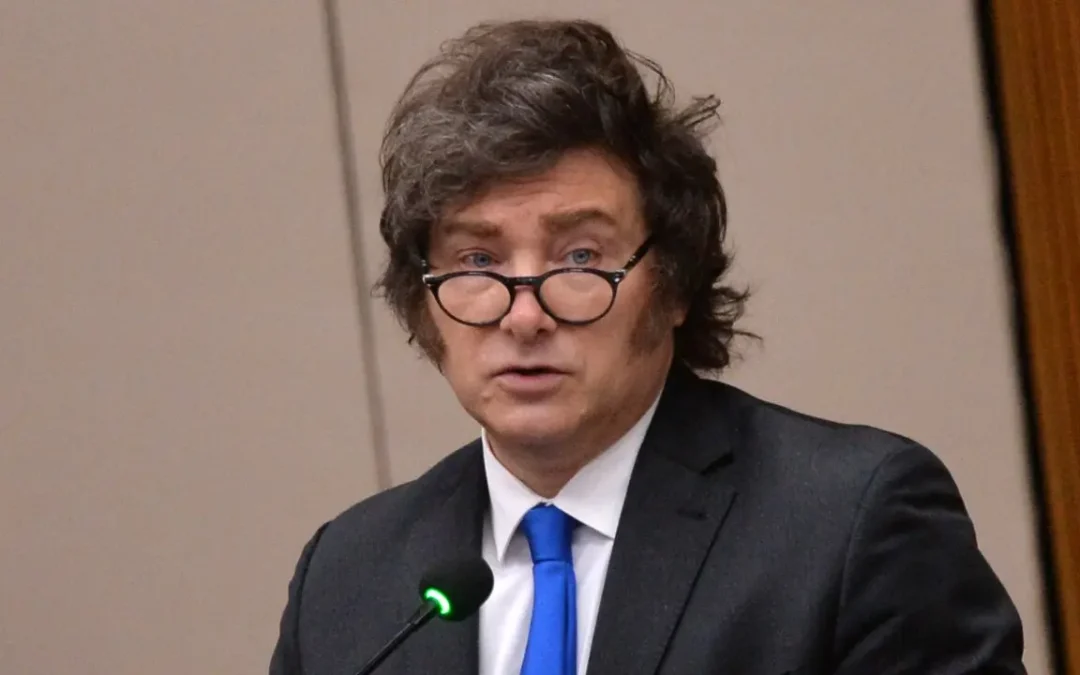










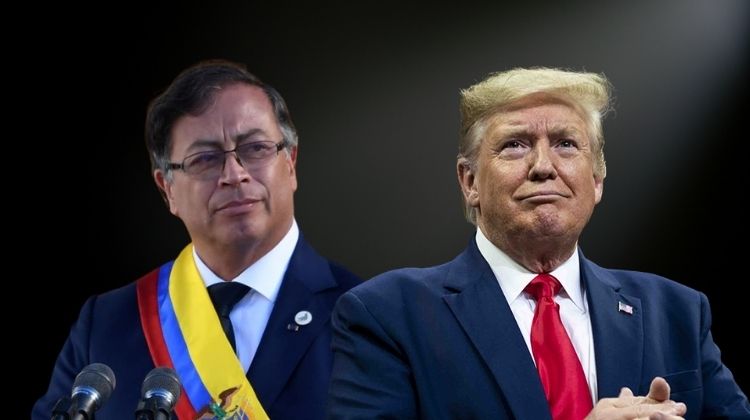
During his visit to the United States, Gustavo Petro met with Donald Trump and once again placed clean energy at the centre of his development agenda. Writing on his official X account, the Colombian president stated that “the backbone of development must be agriculture, industry and clean energy”, while inviting foreign investors to consider Colombia.
The message drew attention across the energy sector, given the contrast with the domestic reality. With less than one year remaining before the deadline, Colombia has connected only around one-third of the 6 GW of renewable capacity it had projected, according to data from Energía Estratégica.
Entre las cosas que hablamos, el presidente Trump y yo, fue el desencuentro que tuvimos en su visión de la relación de EEUU con América Latina.
Dije en mi carta escrita a Trump en el inicio de su gobierno, y a Biden personalmente que se podía establecer un alianza américana, si… pic.twitter.com/z2FSfWafdl
— Gustavo Petro (@petrogustavo) January 8, 2026
Project execution has fallen behind expectations, leaving more than 4,000 MW of awarded renewable projects still offline. Industry sources cite regulatory delays and grid connection constraints as the main factors slowing deployment.
“We want jobs in Colombia. We want companies to come to Colombia,” the president wrote, explicitly linking foreign direct investment (FDI) with the country’s energy transition.
Petro’s effort to position Colombia as a destination for renewable energy investment comes amid mounting challenges at home. Delayed environmental permits, difficulties in grid integration and unclear contractual frameworks continue to affect projects that have already been awarded, while uncertainty over incentives weighs on future investment decisions.
From a broader perspective, sector sources noted that reinforcing ties between Colombia and the United States is generally positive for development and long-term stability. They highlighted the value of expanding bilateral cooperation in investment, trade and energy.
Beyond its political symbolism, the meeting could open space for deeper cooperation on technology deployment, capital mobilisation and clean energy projects, within the framework of existing trade and cooperation agreements.
A sector under pressure
At the domestic level, regulatory reforms are underway to address structural issues in the power market. A key initiative is the public consultation launched by the Energy and Gas Regulatory Commission (CREG) to update the Metering Code, a technical regulation unchanged for more than a decade. The goal is to improve transparency in generation and consumption data, particularly in distributed generation and self-generation.
Colombia has also relaunched reliability charge auctions for 2029–2030, a mechanism considered essential to ensure firm supply and provide clearer investment signals in the medium term.
The Petro–Trump meeting thus reflected a dual reality: an international push to attract renewable investment, and the urgent need to convert political messaging into concrete results in a domestic market still facing execution challenges.