






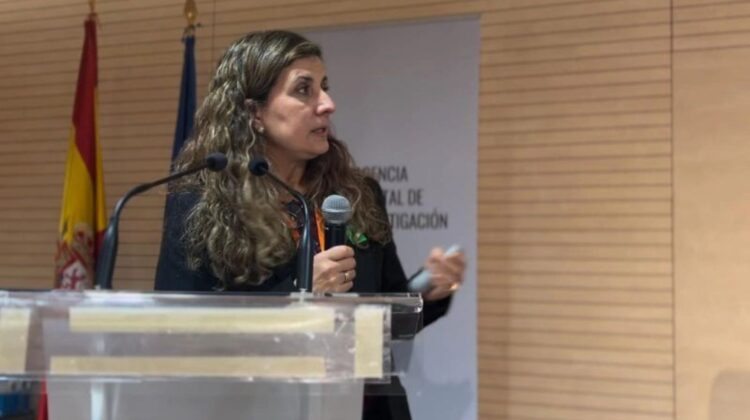
“We want the support schemes to be published by January. The application window will be shorter than in previous calls, as all procedures must be completed before August 2026. That is a challenge for us,” stated Carmen López Ocón, Director of Renewable Energy and the Electricity Market at Spain’s Institute for Energy Diversification and Saving (IDAE). She confirmed that the agency will launch a new set of funding calls for energy storage, renewable energy deployment and the clean-tech industrial value chain in the final stretch of Spain’s Recovery, Transformation and Resilience Plan (PRTR), which ends in August 2026.
The forthcoming programmes will include dedicated lines for pumped-hydropower storage, repowering of wind farms and hydropower plants with storage, innovative renewable technologies such as collective self-consumption with storage and support for vulnerable consumers, as well as integration of renewables with storage in existing infrastructure. Another line will target the renewable energy industrial value chain, including the manufacturing of equipment and components for clean technologies, alongside support for thermal solutions such as district heating and cooling networks and the replacement of fossil fuels with renewable alternatives. All programmes will operate under a tight and demanding implementation schedule.
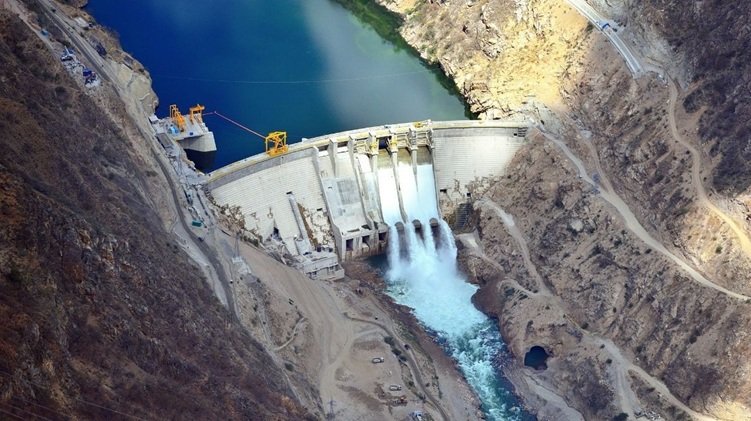
“In the short term, within the storage portfolio, a second call will be launched exclusively for pumped-hydropower projects,” López Ocón announced, emphasising their contribution to large-scale storage capacity, system security and flexibility, all without generating emissions.
Repowering will be another core element of the package, with or without associated storage systems. “We plan to allocate around €300 million, divided into two programmes: one for wind repowering and another for the technological and environmental upgrade of small hydropower plants,” she detailed. This measure aims to modernise existing assets and maximise the use of already-deployed infrastructure—an area that, according to López Ocón, “will receive one of the highest budget allocations and is where we expect the strongest demand”.
In parallel, IDAE will open a new call for innovative renewable energy projects, comprising several sub-programmes. These include collective self-consumption with storage involving vulnerable consumers, a line with a strong social focus, as well as support for renewables-plus-storage integration in existing infrastructure.
IDAE is also preparing a dedicated call for demand-side management equipment, which underwent a public consultation before the summer and is expected to be launched in 2026. This programme seeks to stimulate an emerging market segment that is increasingly strategic for balancing the electricity system as renewable generation expands.
The strategy is complemented by a new funding order to reinforce Spain’s domestic clean-technology manufacturing base. “We resolved a first call for the renewable value chain in June, but this new programme will have a much broader scope, as it falls under the EU’s new state-aid framework for the Clean Industry Deal,” she explained. The line will finance manufacturing capacity for equipment and components related to renewable energy technologies, power-grid technologies, batteries, electrolysers, and more.
“The goal is to strengthen Spain’s and Europe’s strategic autonomy by incentivising the domestic production of equipment and components, including those for energy storage technologies,” López Ocón stressed, aligning the initiative with the objectives of the EU’s Net-Zero Industry Act.
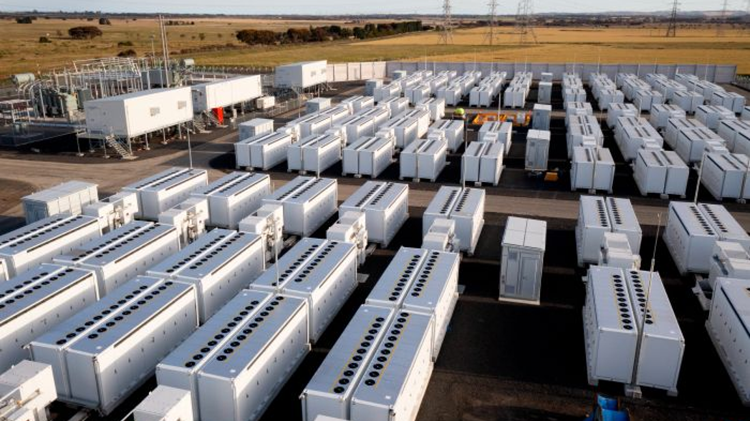
These measures will complement the more than 10 GWh of storage capacity that IDAE expects to award under the recently published final resolution proposal. Key data from the upcoming awards include:
-
Total capacity: more than 10 GWh of energy storage
-
Regions with the highest project volume: Castilla-La Mancha, Andalusia, Aragón and Galicia
-
Leading companies: Iberdrola, Endesa, Acciona Energía, Capital Energy, Grenergy, Naturgy and Greenalia
-
Project types: hybrid storage systems (mainly solar PV and also wind), standalone battery installations, thermal storage and pumped-hydropower systems
-
Strategic objective: enhancing system flexibility, reducing emissions and facilitating the nationwide integration of renewable energy
“We will continue working throughout next year with these support schemes and several additional programmes I have not yet mentioned… funding instruments that will help advance the decarbonisation of our energy system and economy, while strengthening the competitiveness of our industries and companies,” concluded IDAE’s Director of Renewable Energy and the Electricity Market during the panel ‘How to Make Energy Storage Profitable in a Low-Demand Scenario’, held at the conference organised by APPA Renovables, attended by Energía Estratégica.