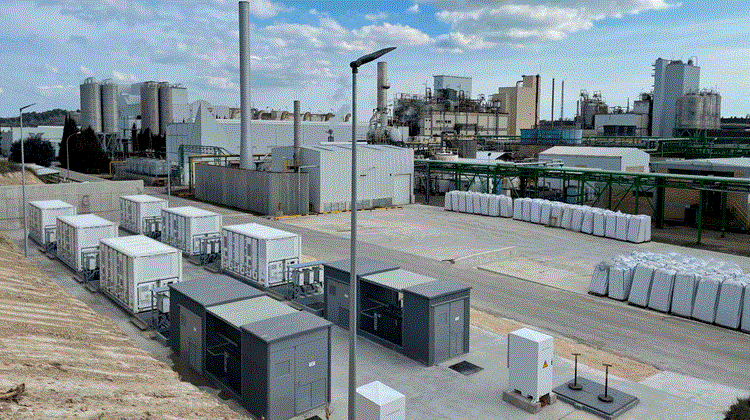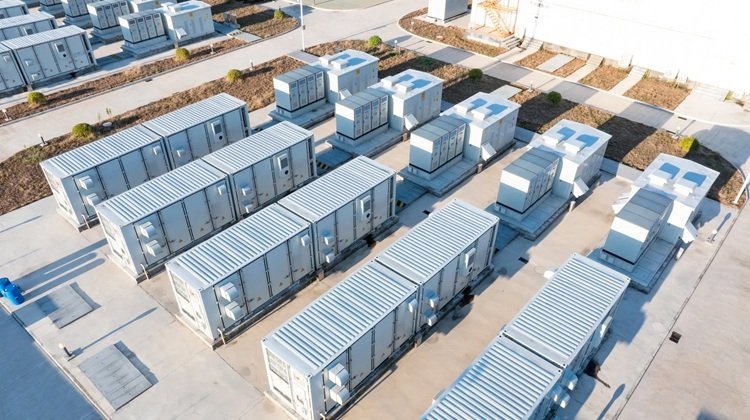







Huawei Digital Power has confirmed the signing of over 3 GW in energy storage projects in Chile, positioning itself as one of the leading suppliers of utility-scale solutions in the region.
At the same time, the company is moving forward with the deployment of grid-forming systems, anticipating the regulatory changes now emerging in key Latin American markets such as Chile and Brazil.
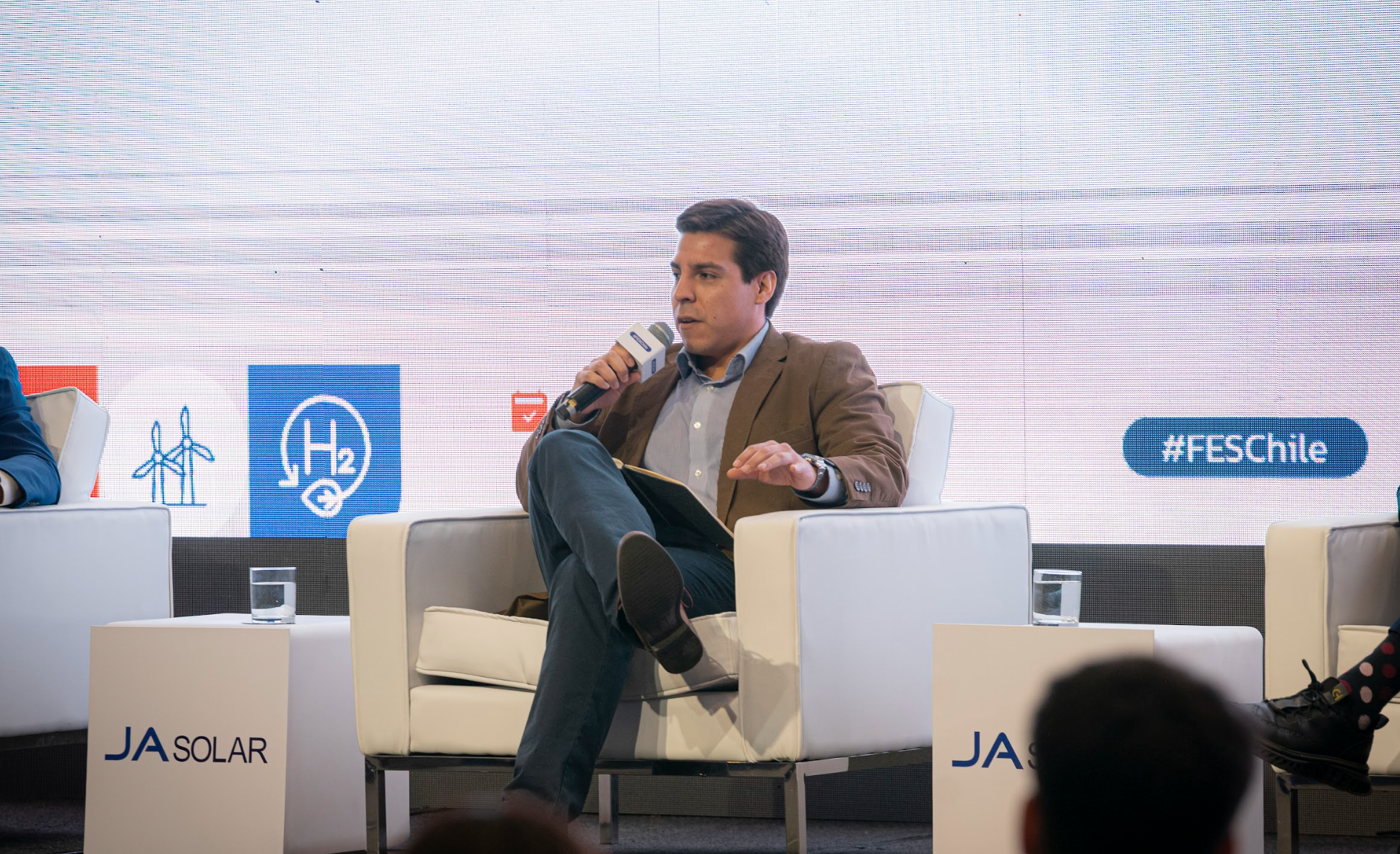
The announcement was made by Felipe Riveros, Regional Product Manager at Huawei Digital Power, during the energy storage panel at the Future Energy Summit Southern Cone 2025. Riveros explained that the Chilean developments are part of a wider portfolio exceeding 5 GW across the region.
Huawei’s regional strategy is built around full integration: it not only supplies the batteries but delivers the entire value chain, from inverters to grid connection.
This approach shortens critical COD timelines and avoids technical or contractual risks related to subcontracting.
“We can provide the entire chain within a project, from the battery to the grid connection, which removes reliance on third parties that might delay CODs. And ultimately, that’s real money on the line,” said the executive.
What marks a turning point is Huawei’s operational use of grid-forming technology, which the company has implemented in large-scale projects since 2022.
Riveros cited a 400 MW solar farm in Saudi Arabia with 1.3 GWh of storage already running with this capability. He also highlighted projects deployed under extreme conditions, such as in Chile’s Atacama Desert.
“We already have projects running in different parts of the world, under extreme climate conditions, and that’s critical for markets like Chile,” he stated.
Huawei’s systems are operating with a Short Circuit Ratio (SCR) of 1.3, designed to function reliably on weak grids—an increasingly important requirement in the face of regulatory evolution.
In line with that, Huawei will soon launch a new range of products with improved energy density, higher efficiency, and grid-forming capabilities not only in storage systems but also embedded in PV inverters, placing the company ahead of the curve in the region.
“Stay tuned—there’s a new product line coming, with better energy densities and grid-forming capability built into PV inverters,” Riveros revealed.
Beyond Chile, Huawei is closely following regulatory developments in other Latin American markets. In Brazil, a public consultation was recently launched to introduce new project requirements.
Meanwhile, Argentina has opened the Alma GBA tender, which includes storage among its technical criteria. These regulatory signals, gaining strength across the region, mark the beginning of a new phase for energy storage.
Alongside its technology, Huawei also offers a strong commercial differentiator: local post-sales support, with technical personnel in-country and products designed to operate reliably for more than 20 years. “We adapt to the customer, because that’s what drives us,” said Riveros.
With validated field performance, regulatory-ready capabilities and a full-scope project offering, Huawei is positioning itself as a reference provider for utility-scale energy storage in Latin America, as more countries start requiring grid stability services as a prerequisite for scaling up renewables.