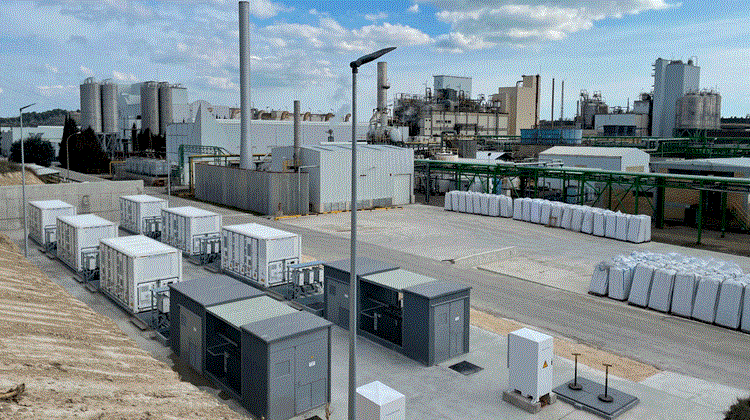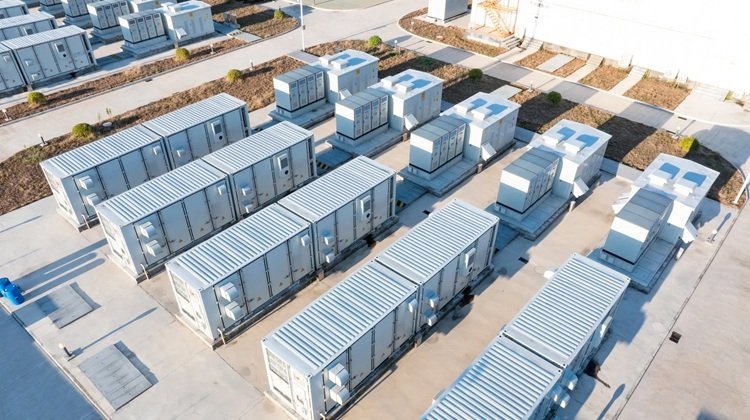









Huawei Digital Power is consolidating itself as one of the key players in the Chilean energy market. Through its involvement in several energy storage projects, the company is strengthening its commitment to advanced energy solutions that combine BESS batteries, intelligent control systems and grid-forming technology.
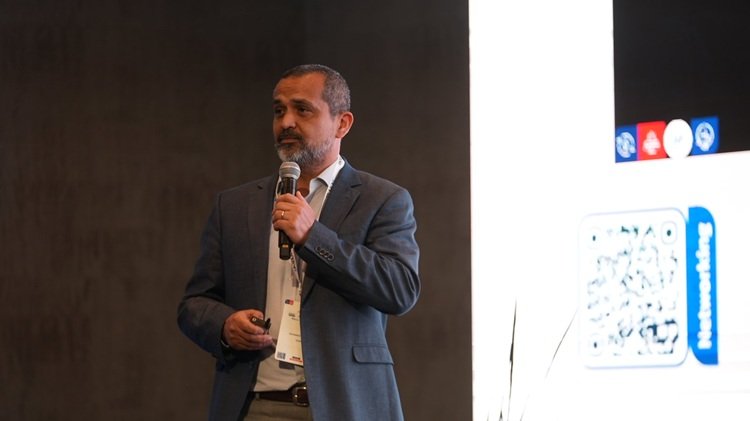
“Energy storage is the best solution for the Chilean electricity market at this moment. At Huawei, we are participating in eleven projects totalling 2,600 MWh,” said Eduardo Saavedra Cea, Solution Director at Huawei Digital Power, highlighting the decisive moment the national grid is going through during the Future Energy Summit (FES) Chile.
In parallel with its active participation in projects, the company recently launched its new HUAWEI SUN2000-506KTL-H1 solar inverter in Chile, specifically designed to operate with grid-forming functionalities. It is a high-efficiency unit (99%), capable of responding within milliseconds, working with higher module density and operating under extreme weather conditions, between -25°C and 60°C.
“We are now working with bidirectional inverters and, instead of solar modules, we have batteries. That is how we implement grid-forming technology,” Saavedra explained, referring to the modular approach Huawei uses to structure its energy solutions.
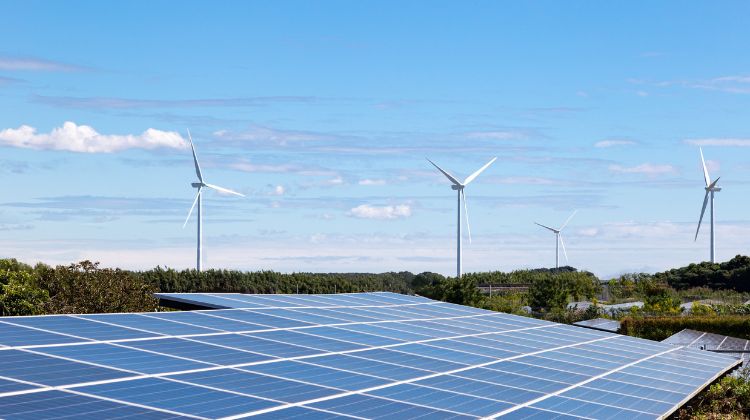
This deployment takes place in a complex energy context. Chile has around 38 GW of installed capacity, but peak demand barely exceeds 12 GW, generating structural surpluses and frequent renewable energy curtailment, particularly affecting solar PV and wind power generation.
Faced with the slow pace of transmission projects—which require long implementation timelines—Huawei sees energy storage as an immediate and scalable response. Its strategy, therefore, contemplates two clearly defined stages.
In the short term, the priority will be energy arbitrage. However, the company’s focus is already shifting towards a second phase: the provision of ancillary services and grid stability, essential elements for a power system increasingly dominated by variable renewable sources.
“What we do is use batteries together with the PCS or bidirectional inverter to implement new control logics and emulate the behaviour of a synchronous machine. In this way, we can deliver the same capabilities,” the specialist detailed.
“We supply the complete solution, including battery containers, PCS, bidirectional inverters, control equipment, PPC and EMS. There are different types or response times, with the fastest at the PCS level within milliseconds. Then we have plant-level responses also within milliseconds, and we can also implement longer-duration solutions, such as black start,” he added.
A new inverter for a new grid
Under this scenario, Huawei Digital Power launched its new SUN2000-506KTL-H1 inverter, which, thanks to a next-generation chip, enables smarter, more flexible and faster energy flow management.
In addition to its efficiency and ability to operate in demanding environments, the inverter offers greater integration with centralised control systems, enabling coordinated plant-level responses within milliseconds.
The launch represents a new milestone in Huawei’s trajectory in the energy sector. Since entering the market in 2013 with string inverters, the company quickly positioned itself as the global leader in solar inverters by 2015, and today continues to expand its portfolio with complete solutions covering batteries, inverters, EMS, PPC and PCS.