






Guatemala has taken a decisive step in its energy transition with the release of its Indicative Generation Expansion Plan (PEIG) and the Electric Transmission System Expansion Plan (PET) 2026–2050, marking a turning point in national energy planning.
According to the plans, by 2050, 81.5% of electricity generation will come from renewable sources, driven mainly by solar PV, geothermal energy and energy storage. The strategy aims to support sustained demand growth, which has nearly quadrupled since the early 2000s and is expected to double again over the next two decades.
Even under the base-case scenario — focused on cost optimisation and minimum expansion — Guatemala is expected to reach 9,147 MW of installed capacity by 2050, with renewables accounting for more than 80% of the total.
The project pipeline identified by Guatemala’s Ministry of Energy and Mines (MEM) clearly reflects a clean-energy-driven expansion. Of the 8,797 MW of candidate projects, 84% (7,420 MW) correspond to renewable technologies.
-
Hydropower remains the backbone of large-scale generation, with more than 2,700 MW planned, although climate variability poses challenges.
-
Solar PV consolidates its position as the most relevant variable renewable source, with over 2,400 MW projected and a central role in decentralised expansion strategies.
-
Geothermal energy is set to provide up to 617 MW, offering firm capacity and grid stability.
-
Wind power, with 415–545 MW, complements solar generation thanks to its stronger night-time and dry-season output.
-
Bioenergy adds resilience through 342 MW of cogeneration and 250 MW of biogas, mainly using agro-industrial residues from the sugar sector.
Distributed generation and prosumers on the rise
Renewable distributed generation (RDG) is also expected to grow strongly. Installed capacity increased from 7.5 MW in 2009 to more than 160 MW in 2024, and is forecast to reach 1,200 MW by 2050:
-
810 MW solar PV
-
250 MW biogas
-
140 MW small hydro
Today, Guatemala counts more than 14,000 self-producers with surplus energy, who inject excess power into the grid, improving system efficiency and reducing losses.
The plans acknowledge the strategic role of battery energy storage systems (BESS) in high-renewables scenarios. To ensure operational flexibility and grid reliability, all solar projects above 50 MW will be required to install batteries equivalent to 30% of their installed capacity.
By 2050, at least 370 MW of BESS coupled with PV plants are expected. These systems will help optimise power flows, replace forced generation and provide reactive power compensation — all critical for grid stability.
Transmission expansion: scale and challenges
Alongside generation growth, the PET 2026–2050 outlines a major expansion of the transmission network, prioritising reliability, coverage and efficiency. The plan includes:
-
5,687 km of new transmission lines
-
172 new substations
This expansion will enable the connection of new renewable projects, improve rural service quality and sustain nationwide demand growth. It will also facilitate greater regional integration and cross-border electricity exchanges in line with the objectives of SIEPAC.
However, recent challenges highlight execution risks. The PET-3 public tender for transmission works was declared void after the sole bidder failed to submit complete technical documentation, delaying more than 230 km of critical lines needed to relieve bottlenecks and connect new renewable capacity.
According to sector sources, this setback underscores the need to refine public procurement frameworks to attract stronger private participation. The MEM has since confirmed it is working on restructuring and relaunching the tender under more competitive conditions, including alternative contracting mechanisms and project segmentation, to ensure progress from 2026 onwards.
The development of the plans was supported technically and financially by international partners, including the European Union, GIZ, GetTransform and ECLAC. This cooperation strengthened both the technical robustness and institutional credibility of the process.
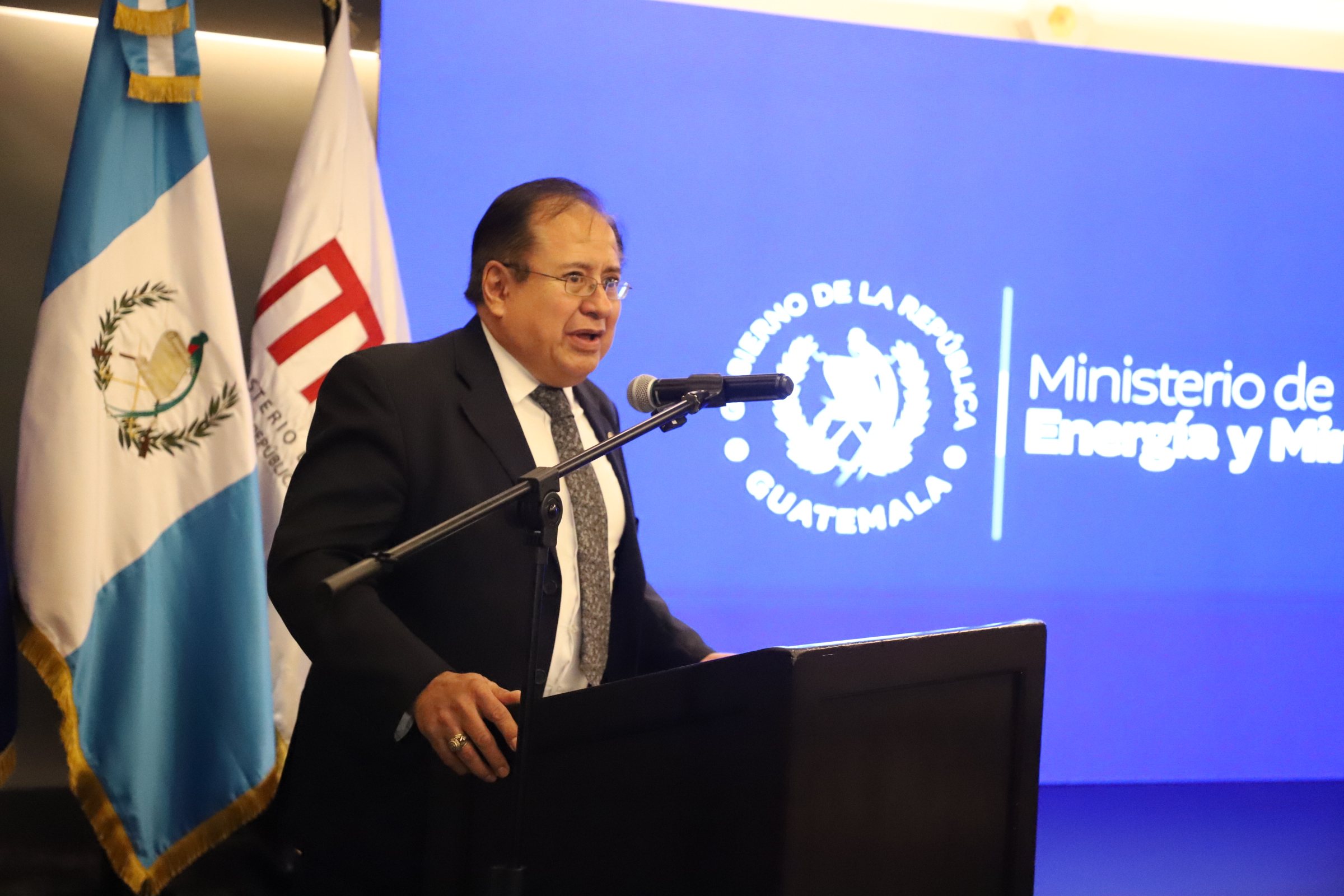
Guatemala’s Director of Energy, Luis Manuel Pérez, summed up the challenge ahead: “The electricity grid must grow at the same pace as the country and be ready to integrate new technologies and generation sources.”
For Guatemala, the roadmap is now clearly defined. The key challenge will be turning long-term planning into bankable projects, with effective execution and monitoring mechanisms to deliver the energy transition already set in motion.