












Argentina is moving forward with the development of energy storage systems (ESS) through the AlmaSADI tender, which seeks to deploy 700 MW to reinforce critical nodes of the national grid and reduce power outages. However, alongside the expansion of installed capacity, a structural challenge is emerging: how to ensure efficient operation and sustained performance over the full lifecycle of these assets.
According to FlexGen, the market focus must shift away from upfront costs towards a comprehensive assessment of project risk, including the ability to anticipate long-term system behaviour beyond initial design parameters.
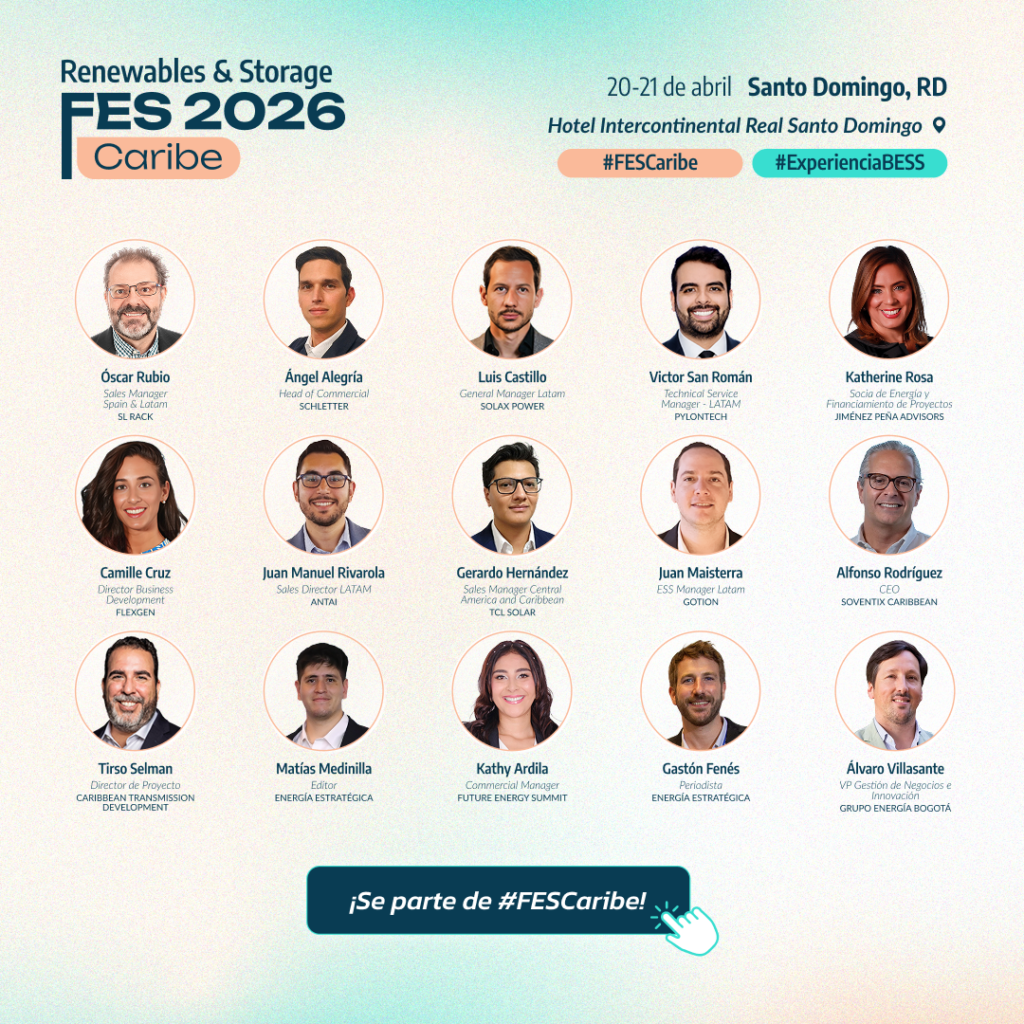
“Everyone cares about the price per kWh, of course. It is discussed in every meeting. But for us, it is crucial to assess the total project risk,” said Camille Cruz, Business Development Director at FlexGen.
“We truly evaluate performance and warranties not only from day one, but across the entire project lifecycle, to understand what will happen in 5, 10 or even 20 years,” she added during her participation at the Future Energy Summit (FES) Argentina.
This perspective requires a shift in how battery energy storage systems (BESS) are designed from the outset. Developers must integrate control layers, as well as operation and maintenance (O&M) strategies, early in the project lifecycle to optimise performance and reliability.
This approach is particularly relevant in Argentina, where the market is beginning to scale stand-alone storage projects, which come with strict technical requirements such as limited cycling and guaranteed continuous supply.
The AlmaSADI tender is expected to award contracts in June 2026, with commissioning timelines between 2027 and 2029—within a process lasting less than four months.
The next phase of Argentina’s storage market will not be defined solely by installed capacity, but by how intelligently systems operate. In this context, integration between batteries, inverters and digital platforms is becoming a strategic priority.
Technological flexibility is also key, as rapid innovation in components requires systems that can adapt to evolving operational conditions.
“When we begin discussing project design, warranties and what O&M teams can anticipate, we must work closely with EPC contractors to ensure long-term operability,” Cruz explained.
She stressed that the industry must undergo a broader mindset shift:
“The real transformation lies in treating everything as digital infrastructure, with smart controls, analytics and historical data. It is not just about operating systems, but extending their lifespan beyond original expectations.”
FlexGen is also promoting pre-integration strategies to reduce on-site risks, optimise timelines and minimise failures. The company operates a laboratory in North Carolina where it conducts processes such as “One Touch Commissioning” and advanced troubleshooting before systems are deployed in the field.
With precedents like AlmaGBA—another Argentine tender that awarded 713 MW and mobilised more than USD 540 million in investment—the country is steadily consolidating its energy storage market.
However, the key challenge ahead will not be merely adding megawatts, but ensuring system reliability and long-term service delivery.
“The most important thing is to fully understand how these systems operate, how they will continue to operate, and how we will provide the necessary services to support them,” Cruz concluded.