












Argentina’s power market is undergoing a structural shift after the publication of Resolution SE No. 400 by the Secretariat of Energy. According to Marcelo Rodríguez, Business Development Manager at Fenix Energy, the new framework will accelerate a transition toward greater contractualization, particularly among large energy users.
The reform increases pressure on major consumers to secure bilateral contracts rather than relying on CAMMESA — Argentina’s wholesale electricity market administrator — as a supplier of last resort. Under the new rules, exposure to the spot market could translate into higher costs and greater price volatility.
Rodríguez explained that the most efficient thermal power plants — currently dominant in Argentina’s short-term Power Purchase Agreement (PPA) market — are expected to gradually shift away from spot participation, leaving less competitive generation to set marginal prices.
As a result, companies that delay contracting decisions could face increasing electricity costs.
“The market will evolve toward contractualization,” Rodríguez stated, arguing that standardized contracting mechanisms would help balance costs among companies and improve long-term competitiveness.
A key distinction in today’s market lies in contract duration:
| Technology | Typical Contract Term | Strategic Objective |
|---|---|---|
| Thermal generation | 1-year PPAs | Capture expected rising market rents |
| Renewable energy (solar PV, wind power) | Long-term PPAs | Provide price stability and secure investment returns |
According to Rodríguez, more sophisticated corporate buyers are prioritizing long-term, fixed-price contracts — often non-indexed — to hedge against expected increases in marginal prices starting in 2027.
Resolution SE No. 400 also redefines the role of distribution companies. Distributors must now cover at least 75% of their demand through bilateral contracts and may act as energy retailers for end-users.
However, Rodríguez noted that a clear mechanism allowing distributors to capture efficiency gains from optimized contracting strategies is still pending.
Energy storage and new business models emerge
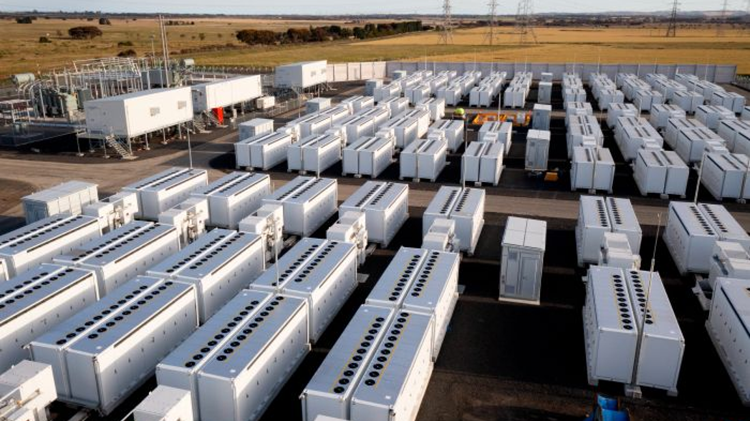
The regulatory update also opens opportunities in energy storage, either as stand-alone battery systems or hybridized with existing renewable energy projects.
Storage assets can capture value through:
-
Capacity payments (power availability)
-
Energy arbitrage across hourly price differences
To participate in Argentina’s capacity market, battery systems must commit to supplying electricity for at least four consecutive hours — effectively aligning them with the operational profile of a thermal power plant.
Rodríguez added that renewable capacity could eventually receive differentiated valuation, subject to future regulatory incentives.
Another significant change introduced by Resolution SE No. 400 concerns capacity payment calculations for large users.
For GUMAs (Grandes Usuarios Mayores – large consumers with demand above 1 MW), capacity charges will now be calculated based on the higher of:
-
50% of peak-hour maximum demand, or
-
The average consumption during seasonal peak-demand hours.
In contrast, GUMEs and GUDIs (medium-sized large users) have not yet transitioned to this methodology. Instead, their maximum registered demand continues to determine capacity charges, leading to substantial penalties in some cases.
Although the unit capacity price has increased, fewer billable hours could improve total costs compared to October levels. Still, Rodríguez emphasized the need to harmonize criteria to ensure equitable treatment across user categories.
The gradual expiration of tax benefits under Law No. 27,191 — Argentina’s renewable energy promotion framework — adds another layer of uncertainty for investors in solar PV, wind power, and other renewable energy projects.
This regulatory transition could impact investment decisions in renewable energy generation and long-term PPA structures.
A call to action for large consumers
Against this backdrop, Fenix Energy has launched a specialized consulting division targeting large energy users. The company argues that significant inefficiencies persist due to limited market knowledge.
Rodríguez cited concrete savings opportunities of up to 10% through administrative adjustments alone, in addition to potential gains from optimized energy and capacity contracts.
“In summary, we invite all large consumers to take action and rethink their procurement strategy,” Rodríguez concluded.