





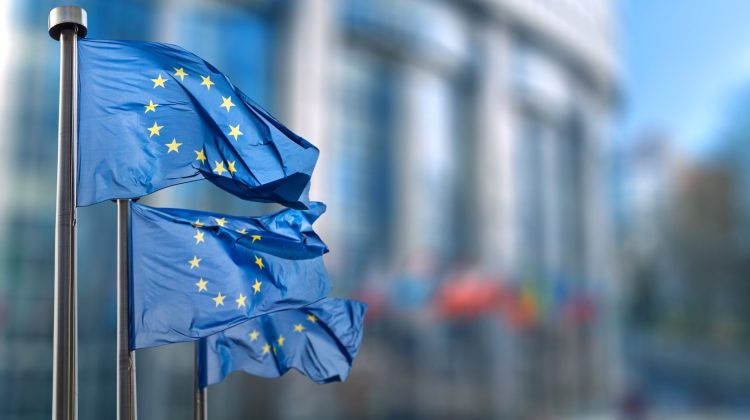
The European Union has reinforced its energy transition strategy by selecting 235 cross-border initiatives under its updated list of Projects of Common Interest (PCI) and Projects of Mutual Interest (PMI), targeting deployment across 11 strategic corridors and key infrastructure areas.
The portfolio reflects a diversified technological approach, combining electrification, clean fuels, and digitalization. It includes:
- 113 electricity projects, including offshore wind connections and smart grids
- 100 hydrogen and electrolyzer initiatives
- 17 CO₂ transport projects
- 3 smart gas grid developments
- 2 existing gas interconnection projects (Malta and Cyprus)
The regulatory framework distinguishes between PCI projects, focused on interconnections within the EU, and PMI projects, which extend cooperation to third countries, expanding Europe’s energy reach beyond its borders.
Green hydrogen stands out as a central pillar, with 100 projects spanning production, transport, storage, and industrial use. Major developments include the BarMar corridor linking Portugal, Spain, France, and Germany; hydrogen valleys between France and Germany; and backbone infrastructure across the Netherlands, Belgium, and Germany. Electrolyzer deployment is also advancing in key hubs such as Spain, France, and Denmark.
This масштаб deployment supports the decarbonization of hard-to-electrify sectors and enables the emergence of a pan-European market for clean molecules, with hydrogen acting as a cross-border energy vector. Countries like Spain are already accelerating this segment through support schemes, including national auctions to fund hydrogen projects.
Energy storage is another growing component, particularly through pumped hydro storage, with projects distributed across Spain, Germany, Italy, Ireland, Austria, and Eastern Europe. These assets are critical for balancing intermittent renewable generation and enhancing system flexibility.
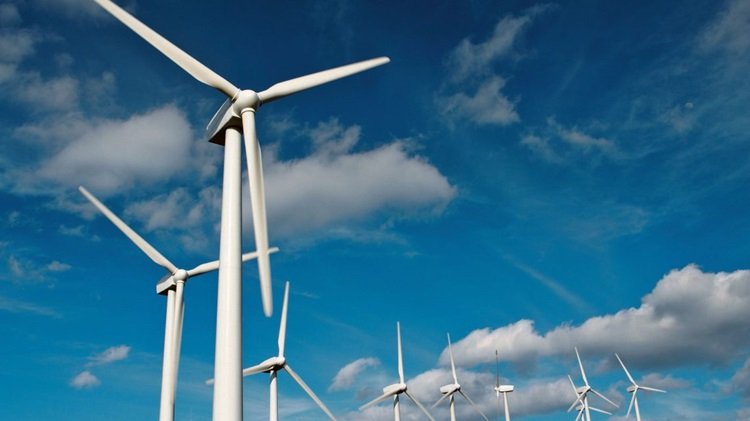
Offshore wind is also a cornerstone of the strategy, with multiple connection and interconnection projects concentrated in Northern and Western Europe. Notable examples include offshore links in France, the Belgium–Denmark Triton Link, hybrid interconnectors between Germany and the Netherlands, and the Bornholm Energy Island connecting Denmark and Germany. These infrastructures are key to scaling wind power and integrating electricity markets, especially in the North Sea and Baltic regions.
At the same time, the EU continues to strengthen electricity grid integration through cross-border interconnections such as Portugal–Spain–France, the Biscay Gulf link, the Celtic Interconnector between France and Ireland, and the Italy–Corsica–Sardinia (SACOI 3) project. Smart grid initiatives in Central and Eastern Europe further aim to enhance digitalization, flexibility, and renewable integration.
Inclusion in the PCI and PMI lists grants projects access to funding through the Connecting Europe Facility (CEF) and enables accelerated permitting processes, improving coordination among member states. However, projects must still comply with environmental regulations and complete national approval procedures.
All selected initiatives were subject to stricter sustainability criteria, ensuring alignment with the EU’s climate objectives. In parallel, the Agency for the Cooperation of Energy Regulators validated the consistency of methodologies and cost-benefit analyses, reinforcing the technical robustness of the selection process.
Through this initiative, the EU is not only speeding up the deployment of critical infrastructure but also reshaping its energy model toward a more integrated, flexible, and resilient system, where grid expansion, renewable energy, and emerging technologies like green hydrogen and CO₂ transport work in tandem to drive the energy transition.