












Renewable energy sources now represent 65% of installed power generation capacity across Latin America and the Caribbean — a historic milestone for the region’s energy transition.
However, this does not mean that renewables deliver the same share of electricity in real time. The gap between installed capacity and effective generation remains one of the most significant technical challenges facing the regional power system.
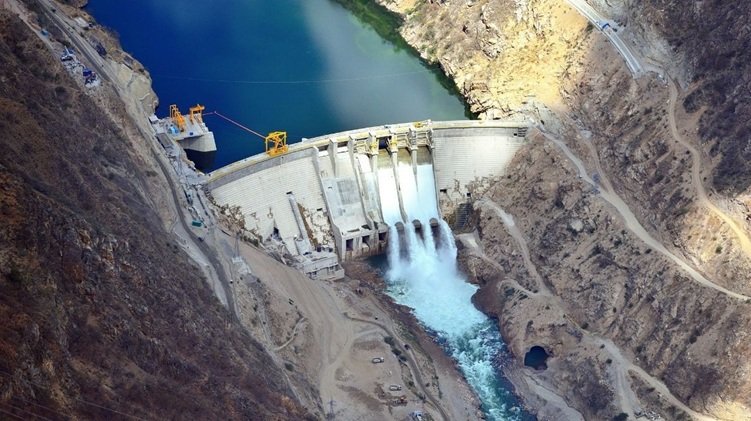
According to the regional electricity market monitoring report, renewable generation reached 71% of total output in June 2025, with hydropower alone contributing 51%. Yet in July — during the dry season — this figure fell to 65% or lower.
This seasonal variability highlights that, at certain times of the year, the system still needs to rely on fossil fuel-based technologies such as natural gas and fuel oil to guarantee security of supply.
For Antonio S.R. Lopez, CEO of A&M TECHNOLOGY, the discrepancy between installed capacity and actual generation is structural rather than temporary.
“Installed capacity figures do not always translate linearly into the electricity delivered to the system,” he explained, stressing that the most pressing gaps lie in energy storage, limited operational flexibility, and the need for more accurate resource forecasting.
Lopez also warned that existing transmission infrastructure must be strengthened to sustain high levels of renewable generation under all weather conditions.
Price exposure to fossil fuels remains
From an economic perspective, the region has yet to overcome its exposure to fossil fuels. Spot electricity prices continue to be anchored to thermal generation, particularly during periods of low renewable output, regional congestion or demand peaks.
While renewables help to cushion price volatility, they have not yet fully decoupled electricity prices from gas and fuel oil. According to the regional report, achieving genuine price decoupling will require:
-
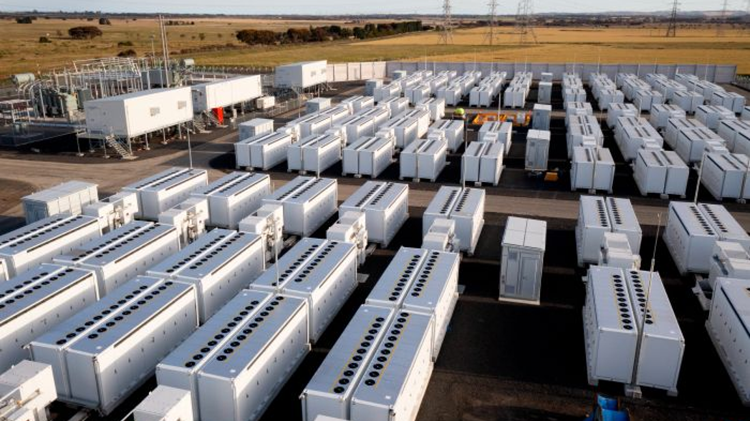
Greater energy storage capacity
-
A more flexible power grid
-
Upgraded regional transmission infrastructure
-
Ancillary services markets that properly value the technical attributes of renewable generation
2026: a turning point for system operation
Demand projections towards 2026 present a new operational challenge for the regional power system. Although most new generation is expected to come from renewable sources such as solar PV and wind power, the absence of structural solutions — particularly storage and flexibility — could turn this growth into a critical operational bottleneck.
Lopez was clear in his assessment:
“Renewable expansion will be the main driver, but without storage and flexibility, system operation will not be sustainable.”
Regional integration through the Mercado Eléctrico Regional (MER) could play a key role in addressing these challenges. The MER already enables more efficient dispatch, cost reductions and enhanced energy security through cross-border electricity trading. However, its current architecture was not designed to manage the variability of intermittent renewable sources.
At an operational level, further regulatory adjustments are still required to integrate ancillary services, improve dispatch mechanisms and enable the participation of distributed energy resources. While renewables have expanded the potential for regional energy integration, limited transmission capacity has become a major constraint on absorbing large and variable power flows.
Lopez concluded that market design must evolve so renewable resources can be fully integrated — not only from a technical standpoint, but also commercially and economically. Otherwise, the progress achieved in installed renewable capacity could be undermined by unresolved structural constraints.