









Enel has unveiled its 2026–2028 Strategic Plan, committing a total gross investment of 53 billion euros—10 billion euros more than in its previous programme—with a clear focus on renewable energy and electricity networks in high-growth markets.
Of the total, more than 26 billion euros will be allocated to the integrated business, with around 20 billion euros directed to renewables. This represents an increase of roughly 8 billion euros compared with the prior plan, underscoring the group’s accelerated investment in renewables and grid integration.
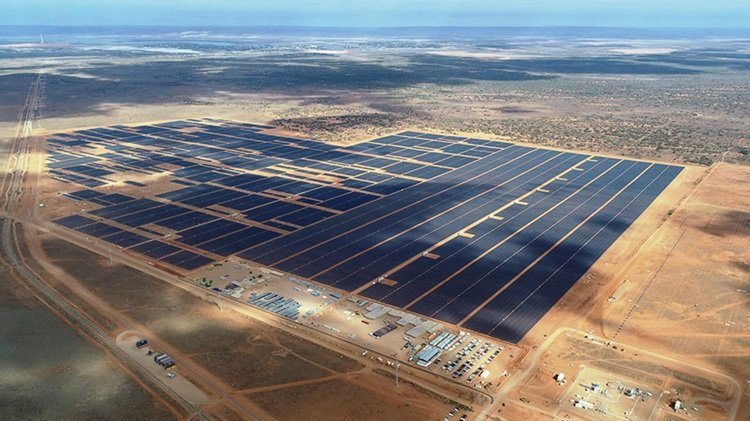
Between 2026 and 2028, Enel aims to add approximately 15 GW of new renewable capacity, comprising 9 GW of greenfield projects and 6 GW of brownfield developments. As a result, total installed capacity is expected to rise from an estimated 68 GW by the end of 2025 to more than 80 GW in 2028, consolidating organic growth in strategic markets.
More than 75% of the new capacity will be based on wind power and dispatchable technologies, with a significant role for energy storage systems. These assets are considered critical to improving portfolio flexibility and supporting the integration of variable renewable generation such as solar PV and wind power.
Around 50% of renewable energy investment will be concentrated in Europe, mainly through regulated auctions, repowering and hybridisation projects. The remainder will be channelled primarily into the United States and other priority markets under long-term power purchase agreements (PPAs), ensuring revenue visibility and reducing merchant risk.
The expansion reflects structural growth in electricity demand driven by data centres, artificial intelligence, industrial automation, transport electrification and manufacturing reshoring—particularly in North America.
In parallel, the plan allocates more than 26 billion euros to electricity networks, reinforcing infrastructure to integrate new renewable capacity and accommodate rising consumption.
Geographically, approximately 55% of grid investment will be directed to Italy, more than 20% to Iberia and nearly 25% to Latin America, subject to regulatory predictability.
This effort is expected to increase the company’s Regulated Asset Base (RAB) from around 47 billion euros in 2025 to 58 billion in 2028—an expansion of 22%. Strengthened grids are positioned as a key enabler of renewable energy deployment, ensuring operational stability and greater storage integration.
The execution of the programme builds on financial consolidation achieved between 2023 and 2025, during which Enel completed its divestment plan and reduced leverage, bringing its Net Financial Debt/EBITDA ratio to 2.5x in 2025.
During the new strategic cycle, leverage may temporarily increase to around 3.0x—still below the sector average—unlocking approximately 15 billion euros in additional investment capacity for high-growth geographies.
More than 90% of the estimated cumulative ordinary EBITDA of 74 billion euros between 2026 and 2028 is expected to come from regulated or contracted activities. These include grid operations, generation under long-term regulatory frameworks and PPAs with an average duration of eight years, reinforcing cash flow stability and long-term earnings visibility.
Key figures from Enel’s 2026–2028 Plan
| Indicator | 2025 (est.) | 2028 target |
|---|---|---|
| Installed capacity | 68 GW | >80 GW |
| New renewable capacity (2026–2028) | – | 15 GW |
| Total gross investment | – | €53bn |
| Investment in renewables | – | ~€20bn |
| Grid investment | – | >€26bn |
| Regulated Asset Base (RAB) | €47bn | €58bn |
| Net Debt/EBITDA | 2.5x | ~3.0x |
With this roadmap, Enel reinforces its position as one of Europe’s leading renewable energy and grid operators, aligning capital allocation with accelerating electrification trends and long-term investment in renewables.