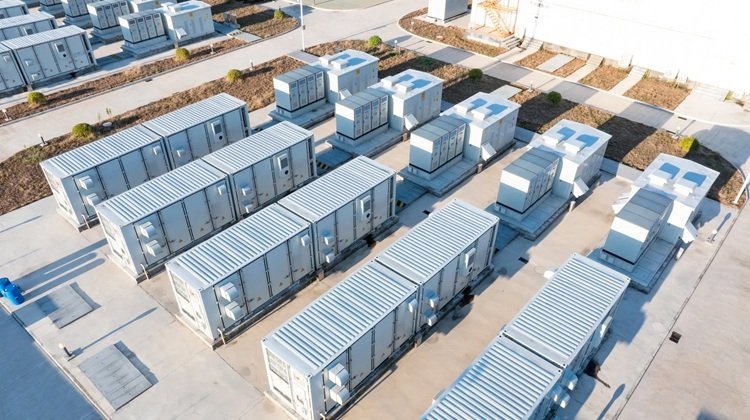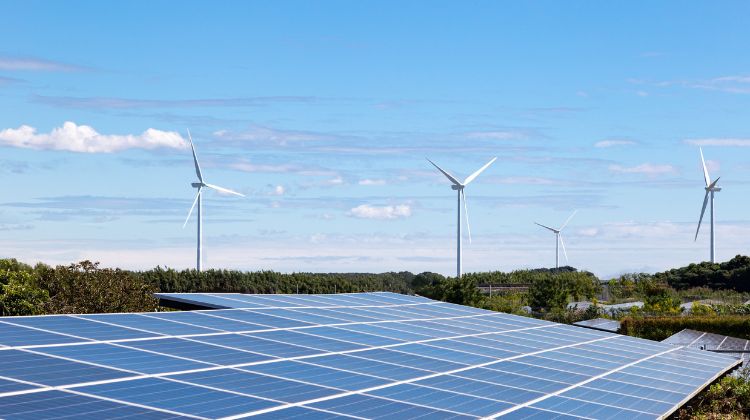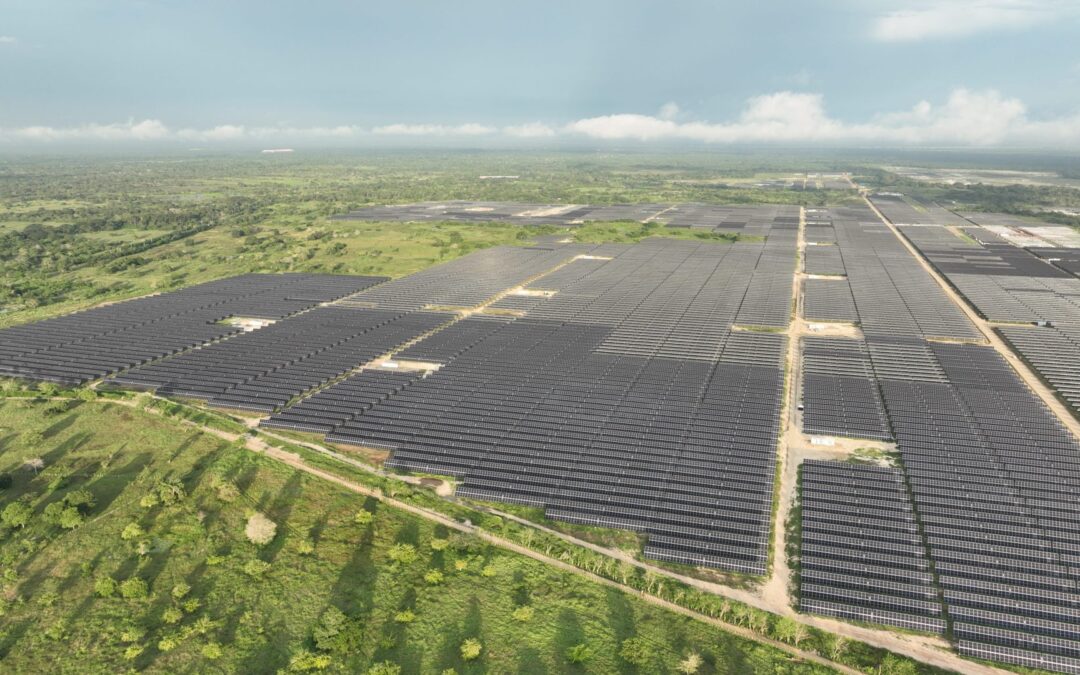













The Dominican Republic has taken a decisive step in regulating battery energy storage systems (BESS). The national electricity regulator, the Superintendencia de Electricidad (Superintendence of Electricity, SIE), has formally approved Resolution SIE-178-2025-MEM, establishing mandatory technical requirements for integrating battery energy storage systems into variable renewable energy projects.
The regulation applies to storage systems connected to solar PV and wind power plants, as well as to standalone BESS providing services to the grid, provided they are connected to the Sistema Eléctrico Nacional Interconectado (SENI). Its objective is to ensure safe, coordinated and stable operation of the national grid as the share of intermittent renewable energy continues to grow.
“This is one of the key steps towards modernising the SENI,” said Andrés Astacio, Superintendent of Electricity, in an interview with Energía Estratégica. He added that the resolution “reduces operational uncertainty and ensures the reliability of the SENI in the context of the energy transition”.
Technical requirements for battery projects
Under the new framework, battery energy storage systems must provide a range of grid-support services, including:
-
Ramp-rate control
-
Fast Frequency Response (FFR)
-
Voltage regulation without an external reference
-
Grid-forming capabilities, such as autonomy, synchronisation, island operation and black start
Projects will also be required to integrate with the Energy Control Centre (CCE) and the Coordinating Body (OC), allowing compliance with real-time dispatch instructions.
In addition, developers must transmit key operational signals, including state of charge (SoC), set points and available capacity. Each system must be equipped with a Battery Management System (BMS) to ensure safety, protection and thermal control.
The regulation establishes ramp-rate limits of 25% per hour under normal operating conditions and up to 10% per minute in response to weather-driven variations. These thresholds significantly raise both technological and operational requirements, positioning battery-backed renewable projects as active contributors to system stability.
According to Astacio, the new rules recognise renewable energy projects with storage as strategic assets for the SENI, providing much-needed flexibility and resilience.
Towards a comprehensive regulatory framework
Resolution SIE-178-2025-MEM is not a standalone measure. It forms part of a broader regulatory agenda that the SIE plans to roll out during 2025 and 2026 to accompany the expansion of energy storage and the deeper integration of clean energy sources.
Planned measures include:
-
A formal authorisation procedure for the construction and installation of battery energy storage systems, with defined technical and safety criteria
-
Updates to the frequency regulation framework (Resolution SIE-136-2024-MEM) to incorporate storage participation
-
Amendments to voltage and reactive power regulation
-
Inclusion of energy storage within the distributed generation regulation
-
New quality-of-service standards for transmission and distribution
-
A review of tariff methodologies and grid charges
-
New contracting and financing regulations to encourage investment in energy infrastructure
“These actions confirm that the resolution is not an isolated measure, but a technical cornerstone in building a comprehensive regulatory framework,” Astacio concluded.
With this move, the Dominican Republic positions itself among the first Caribbean countries to establish specific technical standards for energy storage, paving the way for a more flexible, resilient power system aligned with the goals of the energy transition.