










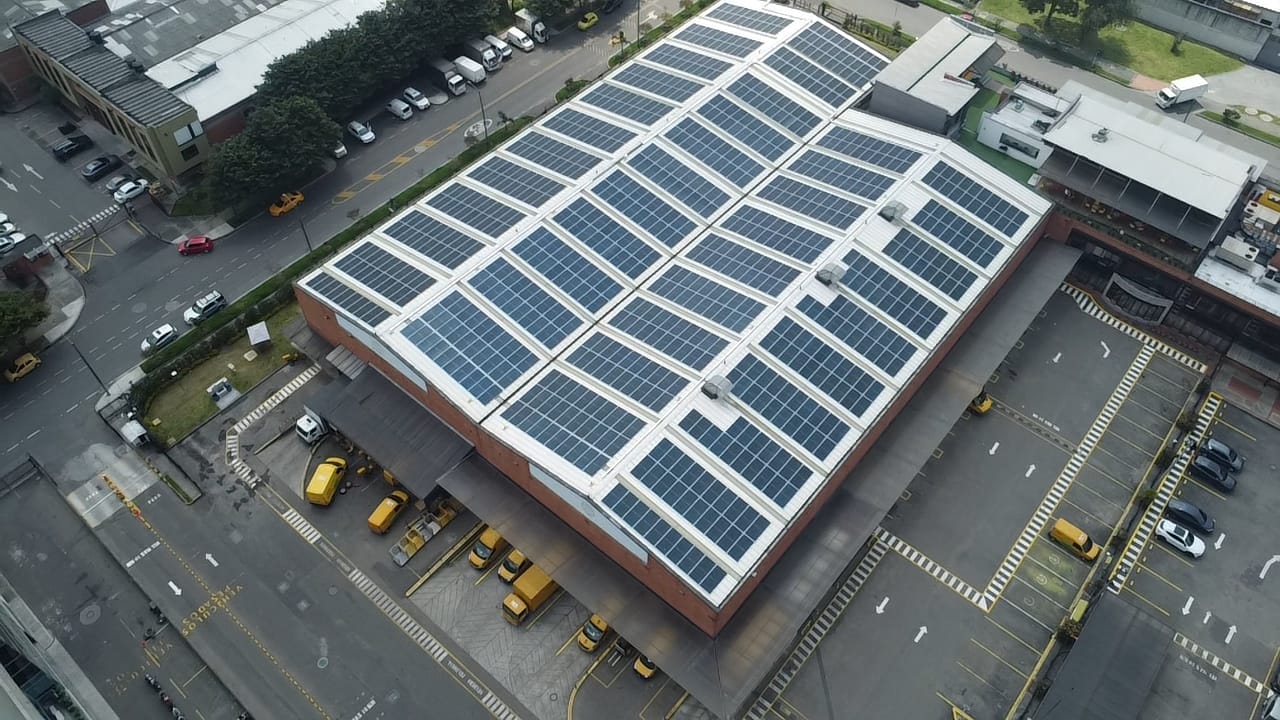
With more than 500 high-profile rooftop installations on commercial and industrial facilities, Dicoma Corporación has reached 100 MW of installed solar PV capacity and is now redirecting its strategy towards large-scale solar and wind power plants.
The strategic shift comes amid an accelerating regional pipeline of renewable energy auctions, with over 5 GW expected to be tendered across Panama, Honduras, Guatemala and Costa Rica. Against this backdrop, Dicoma aims to position itself as a regional engineering, procurement and construction (EPC) integrator for utility-scale renewable projects.
The move follows the company’s consolidation in distributed generation, particularly rooftop solar for industrial and logistics clients in Colombia, Mexico and Central America. Reaching the 100 MW milestone has strengthened its case to compete in the utility-scale segment.
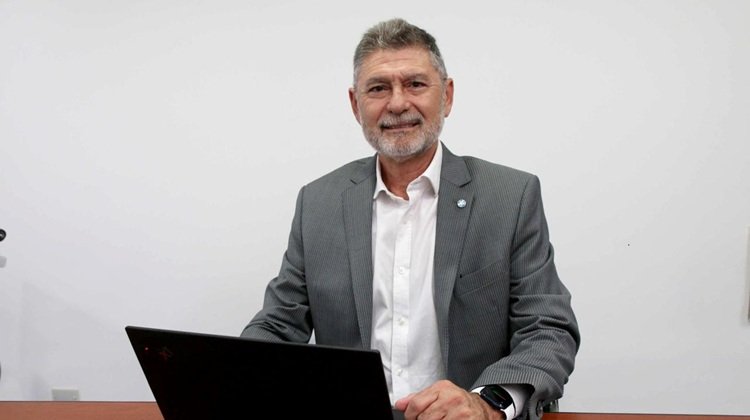
“This achievement gives us a solid foundation to expand into large-scale projects,” said Daniel Chaves, Manager of Solutions and Clean Energy at SEL, Dicoma’s energy business unit.
The figure is significant when compared with Costa Rica’s entire installed rooftop distributed generation capacity, which stands at just 120 MW, according to official data. Dicoma’s portfolio includes more than 500 projects for multinational clients such as Walmart, DHL, KFC and McDonald’s.
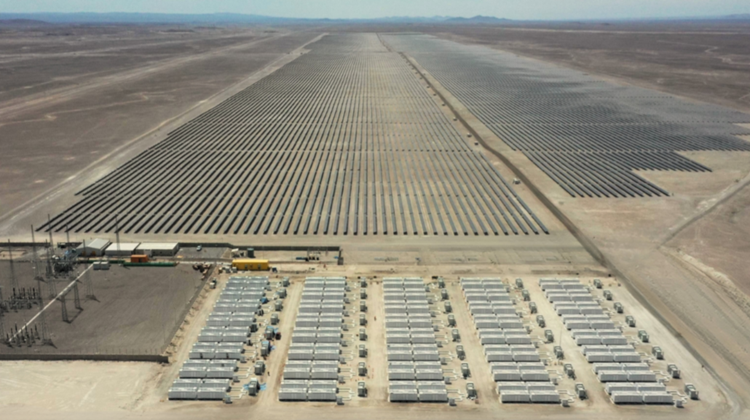
The next phase is already underway. Dicoma is preparing to build its first ground-mounted solar plant in Costa Rica and is actively participating in public tenders across several countries in the region.
According to Chaves, 2026 will be a key year to consolidate this new business line, leveraging Dicoma’s in-house capabilities in engineering design, construction, energy systems, refrigeration and earthworks.
Looking further ahead, the company estimates that at least 6 GW of new renewable capacity will be installed in the region by 2040, based on official announcements and ongoing tender processes.
Panama alone plans to auction around 1.5 GW in the coming years, while Honduras and Guatemala are advancing similar programmes. In Costa Rica, the state-owned utility Instituto Costarricense de Electricidad (ICE) has projected an additional 1 GW of solar capacity.
“We have all the necessary capabilities to compete in this scenario,” Chaves said.
Dicoma’s move into utility-scale projects follows a period of rapid expansion in distributed generation. Over the past four years, the company has quadrupled its installed capacity year on year. Mexico has become its largest market, followed by Guatemala and Costa Rica.
Mexico provides a clear example of this growth. In 2025 alone, around 1 GW of distributed generation capacity was installed nationwide, with Dicoma accounting for a significant share of those projects.
According to the company, its competitive edge has not only been scale, but also its operating model. A network of local teams, operations in nine countries and early technical partnerships have been key differentiators.
“We were the first company in Central America to work with S5,” Chaves noted, referring to the metal-roof mounting systems now widely adopted across the region.
At the same time, Dicoma faces the same pressures affecting the broader solar industry: rising component prices, delayed investment decisions and increasingly tight margins.
Globally, the solar market is entering a new phase following the Chinese government’s decision to eliminate VAT rebates on solar panel exports from April 2026. This fiscal change is expected to add structural costs for manufacturers and could drive module price increases of 10% to 15%, effectively marking the end of the era of “ultra-cheap” solar panels and influencing procurement strategies worldwide.
Higher tariffs on Chinese panels have forced Dicoma to rethink its sourcing and system design strategies.
“We secured panels at better prices, but without overstocking, because technology evolves every month,” Chaves explained.
To offset cost pressures, the company has restructured other budget items to prevent increases in clients’ capital expenditure (CAPEX).
Colombia is another priority market for 2026. After completing its first two projects in the country, Dicoma is currently working to close four additional developments. Meanwhile, expansion into new markets is under evaluation, with Argentina, Peru, Ecuador and Spain identified as potential next steps under a gradual growth strategy.