











Costa Rica is placing wind power at the centre of its strategy to strengthen the resilience of its electricity system. The approach aims to reduce reliance on hydropower at a time when climate variability is beginning to affect the security of supply.
Randall Zúñiga, Director of Energy at the Ministry of Environment and Energy (MINAE), stressed that advancing new renewable energy sources is essential to sustain the country’s leadership. He proposed scaling up wind energy deployment nationwide.
“It is not enough to be renewable; we must be resilient,” he said, underlining the need to diversify the generation mix.
Costa Rica’s power system currently has an installed capacity of around 3,600 MW, of which roughly 65% is hydropower. This explains both its strength in decarbonisation and its exposure to climate variability.

The proposal aligns with a report by the Economic Commission for Latin America and the Caribbean (ECLAC), which analyses how to enhance energy security and resilience in Costa Rica through the energy transition and regional integration. The document warns that, despite progress in clean generation, the system faces structural risks that require more robust planning.
The expansion of wind power is closely linked to the development of energy storage, which is key to managing variability. Without this infrastructure, the growth of intermittent renewable energy could compromise system stability.
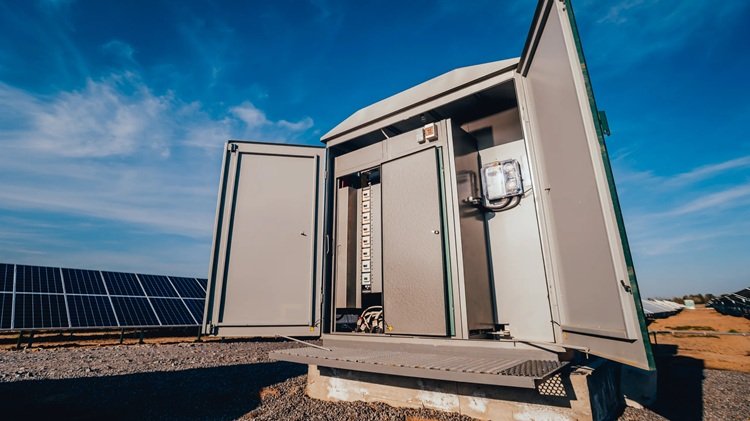
Costa Rica is already moving in this direction. The Costa Rican Electricity Institute plans to add up to 300 MW of battery energy storage systems (BESS), enabling improved management of renewable generation and reducing reliance on thermal backup.
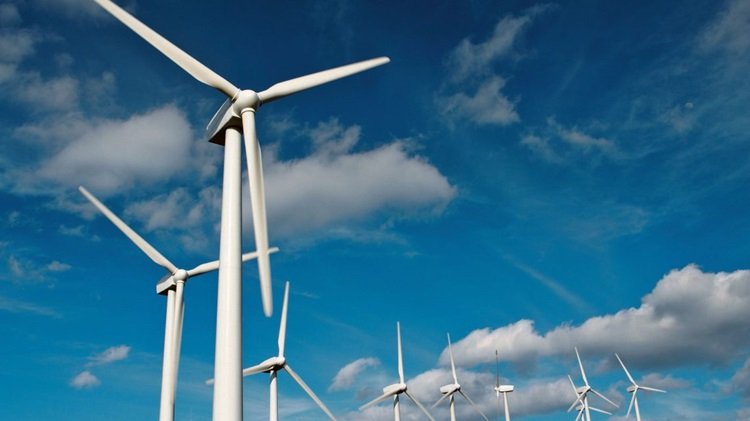
The country’s wind resource potential further supports this strategy. With an estimated 2,400 MW of onshore capacity and possible annual generation of 6,700 GWh, wind power stands out as a key resource to complement hydropower.
“Diversification with geothermal energy, wind power, energy storage and new technologies is no longer optional; it is strategic,” Zúñiga said, highlighting their role in long-term energy planning.
The ECLAC report also notes that energy storage helps balance supply and demand, improve system reliability and facilitate the integration of variable renewables, supporting a more flexible power system.
Beyond the electricity sector, Costa Rica faces structural challenges related to fossil fuel dependence and energy integration. Transport remains the largest energy consumer and relies almost entirely on petroleum products, creating economic and geopolitical vulnerabilities.
At the same time, regional integration is emerging as a key tool to strengthen energy security. “Regional integration is not a complement; it is an energy security tool,” Zúñiga stated, emphasising the role of the Regional Electricity Market.
According to ECLAC, greater interconnection can optimise costs, enhance system reliability and leverage complementarities between countries—key factors in the context of the global energy transition.
The report also highlights the need to advance new planning tools and regulatory frameworks to support sector transformation, integrating economic, social and energy variables into decision-making.
With strong wind potential, progress in battery energy storage and a well-established renewable energy base, Costa Rica is well-positioned to lead a new phase of the energy transition in the region. The challenge will be to translate this potential into concrete policy and investment decisions that ensure a more resilient and secure energy system in the long term.