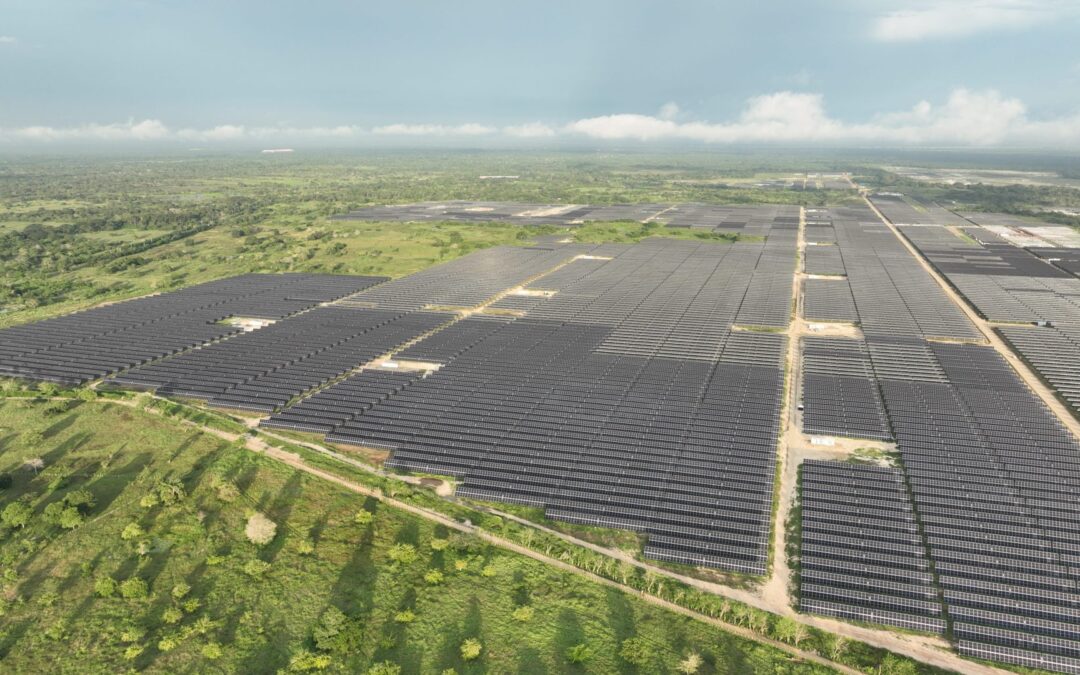











Colombia is expected to close 2026 with more than 4.2 GW of installed renewable energy capacity, according to the Renewable Balance 2026 report published by the industry association SER Colombia.
Of that total, 2,876 MW correspond to medium- and large-scale projects either in commercial operation or in the testing phase. A further 1,300 MW comes from distributed generation, including mini solar farms and self-generation systems. Actual distributed capacity could be higher than reported due to regulatory surplus mechanisms.
In 2026, 177 MW across 16 projects are scheduled to enter operation, while three additional initiatives totalling 39.7 MW began testing in January. At least 80 MW of distributed generation capacity is also expected to be added this year.
The projected 4.2 GW could supply the electricity demand of Bogotá and its metropolitan area — home to 10.2 million people — while avoiding emissions equivalent to removing more than 265,000 vehicles from circulation each year.
“Colombia has a broad pipeline of non-conventional renewable energy (NCRE) projects at different stages of development, demonstrating both sectoral progress and strong interest from domestic and international investors,” SER Colombia stated.
The expansion is geographically significant. More than 20 departments host projects in operation, testing or construction, including Atlántico, Magdalena, Tolima, Cesar, Córdoba, Cundinamarca and La Guajira. This diversification supports regional development, job creation and investment in grid infrastructure.
Despite technical progress, financial constraints persist. Currently, 5,086 MW remain without financial close, placing pressure on commissioning schedules and increasing the risk of delays.
The development pipeline confirms continued growth momentum:
-
1,043 MW (20 medium- and large-scale projects) are preparing to begin construction in 2026.
-
422 MW are finalising Engineering, Procurement and Construction (EPC) contracts.
-
582 MW are undergoing financial close negotiations.
-
The remainder are adjusting environmental permits or awaiting licensing.
-
-
227 MW are already under construction, with commissioning expected between 2027 and 2028.
Further along the development curve, 5,843 MW across 106 projects are in early stages, with progress ranging between 20% and 60%. Four of these projects, totalling 685 MW, are approaching Ready-to-Build status and could start construction in 2027. An additional 1,409 MW classified as “Stand By” are not included in these figures.
With appropriate policy decisions, between 6.6 GW and 9.5 GW could be incorporated over the next five years. This expansion could generate tariff savings of up to COP 7 trillion (approximately USD 1.7 billion), strengthening Colombia’s wholesale electricity market.
However, time is a critical factor. The country requires at least 6 GW of additional capacity in the wholesale market before 2027, alongside approximately USD 5 billion in renewable energy investment, to prevent a structural supply deficit.
“Progress has been significant, but we are only halfway there,” SER Colombia warned.
Developing a renewable energy project in Colombia typically takes between three and seven years, with around 70% of the timeline devoted to administrative procedures. More than 300 regulatory processes are currently pending, some experiencing delays of up to 2,000 days, including transmission infrastructure approvals — a key bottleneck for grid integration.
Energy storage and market reform as accelerators
Energy storage is emerging as a strategic variable. The mining and energy planning unit UPME projects around 1.8 GW of distributed energy resources in the coming years. Growth could accelerate if clear regulatory frameworks for battery storage and new contracting mechanisms are implemented.
The report identifies six immediate policy decisions that could reshape market dynamics:
-
Reliability charge auctions
-
Long-term power purchase agreements (PPAs)
-
Regulatory framework for battery energy storage systems (BESS)
-
Temporary allocation of grid connection points
-
Remote self-generation schemes
-
Electricity market modernisation
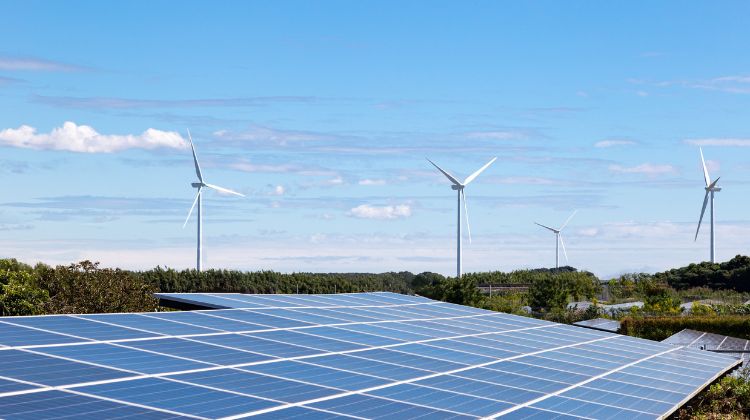
Public support for the energy transition is strong. According to the report, 96% of Colombians prioritise solar PV growth and 88% support wind power development. Eight out of ten citizens consider renewable expansion urgent, suggesting that the main barriers are no longer technological, but regulatory and financial.
The projected 4.2 GW for 2026 marks a turning point for Colombia’s renewable energy sector. Yet the real challenge lies in converting the current pipeline into operational capacity before demand growth outpaces expansion.