










Colombia has enacted Resolution 40178 of 2026, establishing a new framework for long-term clean energy procurement and introducing a structural shift by integrating energy storage into renewable energy auctions.
Issued by the Ministry of Mines and Energy, the regulation sets out general rules for competitive procurement mechanisms that combine generation assets, battery energy storage systems (BESS), transmission and distribution within a single scheme.
The reform is supported by Decree 1091 of October 2025, which allows the government to launch competitive tenders without issuing new rules for each process—streamlining deployment and improving regulatory certainty.
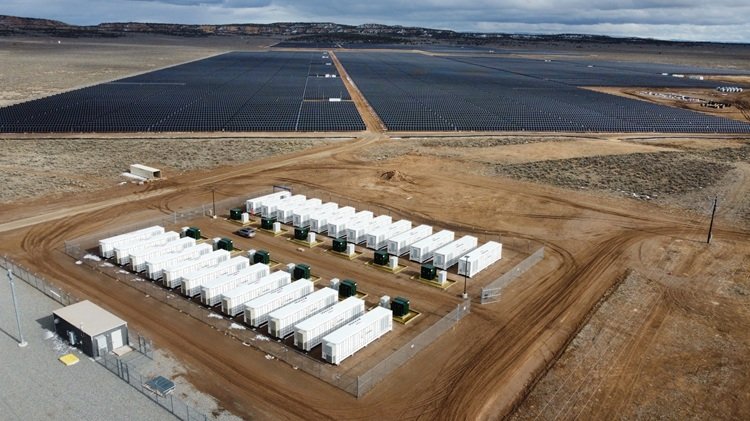
The most significant change is the explicit inclusion of battery storage as a core component of the power system. This enables better management of renewable energy variability—particularly solar PV and wind power—and enhances operational reliability.
Under the new model, auctions move beyond standalone generation projects to encompass integrated energy solutions, aligning with global trends in grid integration and energy storage deployment.
Energy and Mines Minister Edwin Palma stated that the framework will allow the signing of long-term power purchase agreements (PPAs) of up to 15 years, providing revenue certainty for developers and facilitating project financing.
Key features of the new scheme
- Integrated auctions: generation, storage, transmission and distribution in one mechanism
- Long-term PPAs: contracts of up to 15 years
- Technology diversification: supports renewable energy and emerging technologies
- System flexibility: incorporation of hourly energy products
- Market-driven calls: tenders launched based on supply risks or policy goals
The design also aims to diversify Colombia’s energy mix and strengthen resilience to climate change by promoting efficient resource use and the adoption of advanced technologies such as battery storage.
One of the primary objectives is to attract investment in renewables while reducing tariff volatility—one of the main challenges facing Colombia’s electricity sector.
Project awards will be determined באמצעות an optimisation algorithm that matches supply and demand bids, maximising benefits for end-users while ensuring cost efficiency.
The Ministry will have the flexibility to launch auctions depending on market conditions, potential supply shortages or national energy policy targets, introducing a more dynamic planning approach.
The resolution also redefines the responsibilities of market participants:
- Generators must guarantee project commissioning and meet technical timelines
- Retailers/suppliers must ensure payment through financial guarantees
- Guarantee system designed under proportionality and economic efficiency criteria
Additionally, a centralised entity will be responsible for managing contracts, guarantees and auction processes, improving transparency and execution.
The reform is expected to deliver a more competitive electricity market, with greater supply availability and reduced exposure to scarcity scenarios.
By integrating storage and enabling long-term contracting, Colombia positions itself to accelerate renewable energy deployment, improve grid reliability and strengthen investor confidence in its power sector.