











The Colombian government has halted electricity exports to Ecuador following a decision by Quito to apply a 30% tariff on imported Colombian electricity. The measure, formalised through a resolution issued by the Ministry of Mines and Energy, marks a significant escalation in a geopolitical dispute within the regulatory framework of the Andean Community.
According to Bogotá, the suspension aims to protect the domestic electricity supply and prevent unilateral trade measures from undermining the stability of the national interconnected power system.
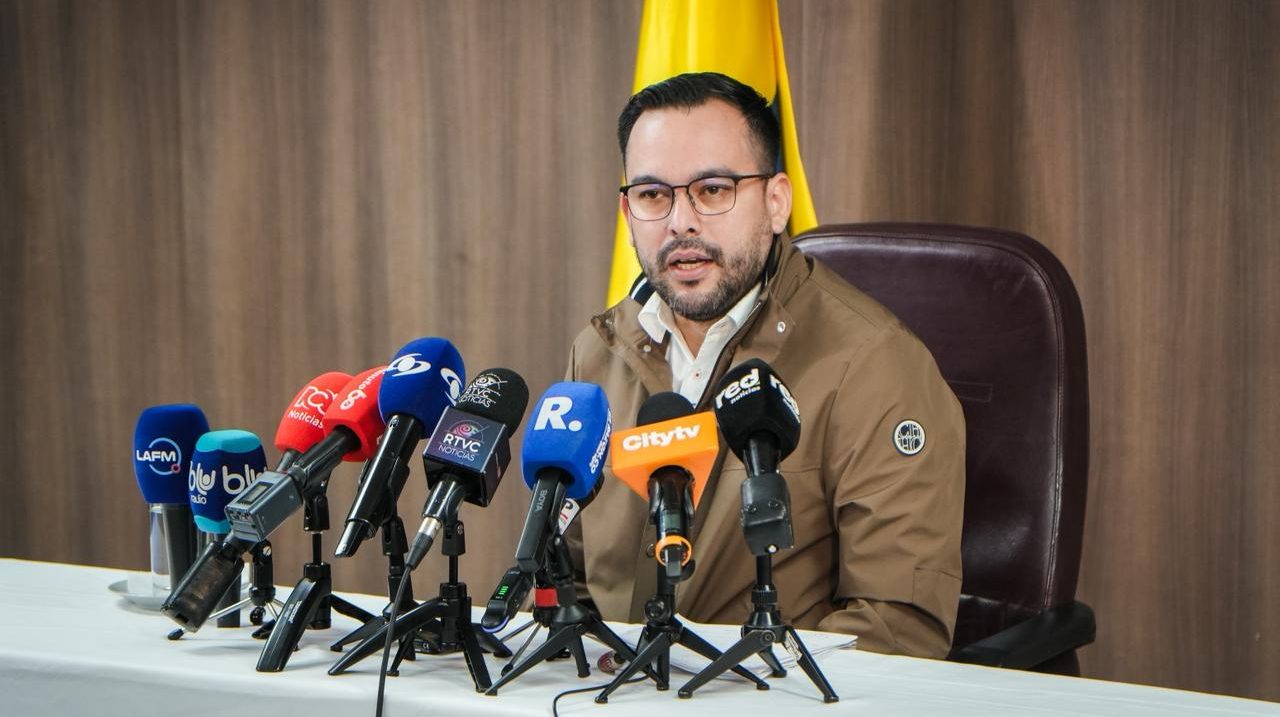
Colombia’s Minister of Mines and Energy, Edwin Palma, said the move was unavoidable given what the government sees as a breach of regional agreements.
“We had to act firmly to defend the country’s dignity,” Palma stated.
In parallel with the power cut, Colombia imposed a 20% tariff on imports of Ecuadorian industrial goods, broadening the conflict beyond the energy sector. What initially emerged as a technical dispute over wholesale electricity prices and operating conditions has now evolved into a wider bilateral trade and diplomatic row.
Although Colombia occasionally imports electricity, its energy relationship with Ecuador has been predominantly export-oriented. Cross-border transactions are governed by a binational dispatch mechanism, with independent wholesale market prices in each country.
Ecuador has repeatedly raised concerns about the price signals coming from the Colombian power market. The newly introduced tariff—applied to electricity delivered “at the border”—significantly increased the final cost for Ecuadorian demand, ultimately triggering Colombia’s decision to suspend supply.
The interruption coincided with the activation of extraordinary measures under Colombia’s Economic Emergency, including temporary fiscal contributions and solidarity charges aimed at ensuring service continuity, particularly in vulnerable regions such as the Caribbean coast.
Regional integration under strain
Colombia and Ecuador have been interconnected by high-voltage transmission lines for more than two decades, allowing bidirectional power flows during periods of shortage. However, the absence of a regional authority with binding technical powers has exposed integration mechanisms to political and regulatory unilateralism.
Industry sources warn that the dispute highlights a structural weakness in Andean power integration. Without a neutral body to harmonise rules and resolve conflicts, tariff-based measures risk discouraging cross-border investment, grid integration and renewable energy cooperation.
Ecuador’s electricity matrix remains highly dependent on hydropower and has experienced prolonged outages during dry seasons. In 2024, Colombia continued exporting electricity to Ecuador despite facing its own hydrological stress, helping the country avoid blackouts lasting up to 14 hours.
Under normal operating conditions, Ecuador imports between 8% and 10% of its daily electricity demand from Colombia. With the suspension now in force, operational stress is expected on the Ecuadorian power system, while the impact on Colombia will be mainly commercial rather than technical.
“The integration process cannot be built at the expense of our sovereignty or the well-being of our population,” Palma concluded, while leaving the door open to resuming electricity exchanges should conditions of legality, regulatory alignment and mutual respect be restored.