











The global solar PV market has entered a new stage of consolidation. What was anticipated at the end of last year is now materialising: the era of artificially low module prices has come to an end.
China’s decision to eliminate VAT export rebates and curb excess manufacturing capacity is already reshaping international price lists, signalling a structural correction rather than a short-term disruption.
According to Argentina-based energy solutions provider BGH Eco Smart, this transition reflects the sector’s growing maturity. Instead of a crisis, the company describes it as a return to cost rationality and long-term sustainability across the global supply chain.
“What we are witnessing is not a downturn, but a shift towards real pricing. We are leaving behind a period of subsidised modules and entering a market where technological quality and manufacturers’ long-term viability are decisive,” said Diego Simondi, Chief Executive Officer of BGH Eco Smart.
Solar module prices have increased by around 20% during Q1 2026. The adjustment follows years of oversupply and cross-subsidies that had pushed costs below sustainable levels, leading to factory closures and distortions within the global solar PV supply chain.
The correction aligns capital expenditure (CAPEX) levels with those seen in 2023–2024. Although higher international prices for silicon and silver have influenced module costs, the broader industry outlook remains robust.
Rather than undermining renewable energy investment, the shift is strengthening market fundamentals by filtering out inefficient manufacturers and reinforcing quality standards.
Argentina: grid tariffs vs. solar investment
For Argentina, the situation presents a strategic opportunity.
While solar project CAPEX has increased moderately, electricity tariff normalisation and the gradual removal of local subsidies have significantly raised operating costs for industrial consumers. In many cases, electricity now accounts for 30% or more of total operating expenditure.
“Even if module prices rise due to exogenous factors such as Chinese fiscal policy, the payback period remains attractive because the cost of not generating your own electricity is far higher,” Simondi explained.
Crucially, the 20% increase in module prices does not translate linearly into total project costs. The impact varies by project scale:
| Segment | Module share of total cost | Estimated impact on final project cost |
|---|---|---|
| Residential | 25%–30% | 5%–6% |
| Commercial | 35%–45% | ~8% |
| Industrial | 50%–60% | Up to 11% |
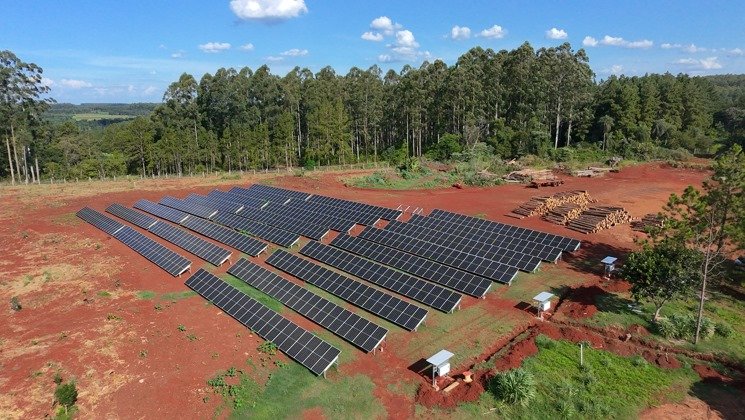
For commercial and industrial consumers, the economics of distributed generation — particularly behind-the-meter solar PV systems — remain compelling when compared with rising grid electricity tariffs.
Storage as strategic priority
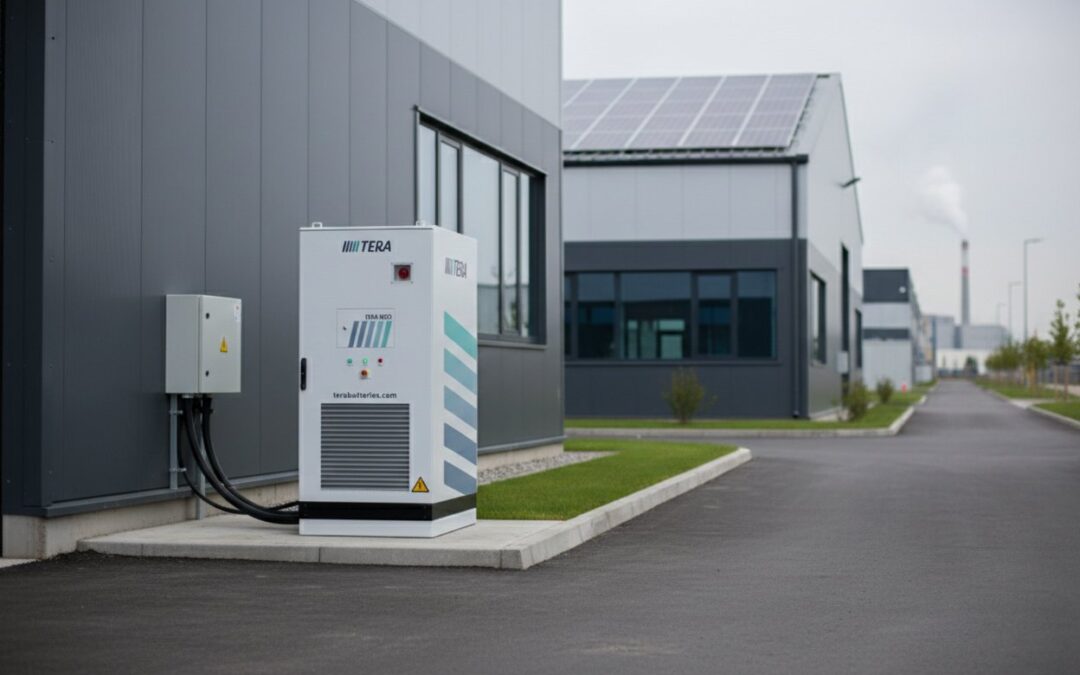
The global adjustment is also reshaping the battery energy storage system (BESS) market.
With reductions in Chinese lithium battery export incentives scheduled to begin in April and gradually phased in through 2027, Q1 2026 represents what industry analysts describe as a “window of opportunity” to integrate storage before further supply chain recalibrations.
Interest in hybrid solar-plus-storage systems is accelerating. Businesses are increasingly seeking not only lower electricity bills, but also improved grid stability and firm capacity amid system constraints.
“Companies are no longer focusing solely on cost reduction. They are prioritising power quality and resilience. Those investing today secure cutting-edge storage technology before price curves follow the same trajectory as modules,” Simondi added.
Energy storage is becoming central to corporate renewable energy strategies, especially where grid integration challenges and reliability concerns persist.
Despite headline price movements, Argentina’s distributed generation market continues to expand. The agricultural and manufacturing sectors — particularly in the provinces of Córdoba, Santa Fe and Buenos Aires — remain at the forefront of solar PV adoption.
BGH Eco Smart advises corporate clients to prioritise early planning. With the full elimination of Chinese export rebates expected by the end of the quarter, decisions taken now can help secure inventory, lock in pricing and mitigate further increases.
Solar technology has reached a level of maturity where, even amid price corrections, it remains the most competitive and rapidly deployable source of renewable energy.
For companies facing rising electricity tariffs and energy security concerns, investment in distributed solar PV, power purchase agreements (PPAs), and integrated storage solutions continues to offer a strategic advantage.
BGH Eco Smart maintains its focus on flexible business models — from turnkey engineering, procurement, and construction (EPC) projects to long-term PPAs — enabling businesses to transform global market adjustments into local competitive gains.