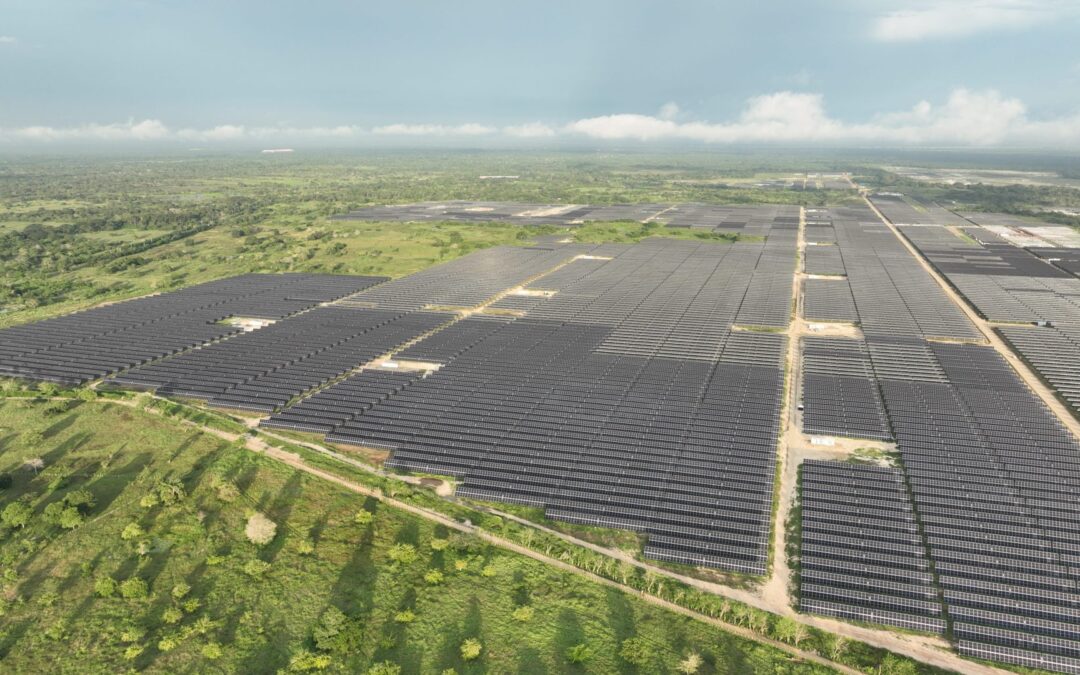












The Chilean Renewable Energy and Storage Association (ACERA) expects Chile’s national power system to reach 47.17 GW of installed capacity by the end of next year, largely as a result of new non-conventional renewable energy (NCRE) and battery energy storage system (BESS) projects coming online.
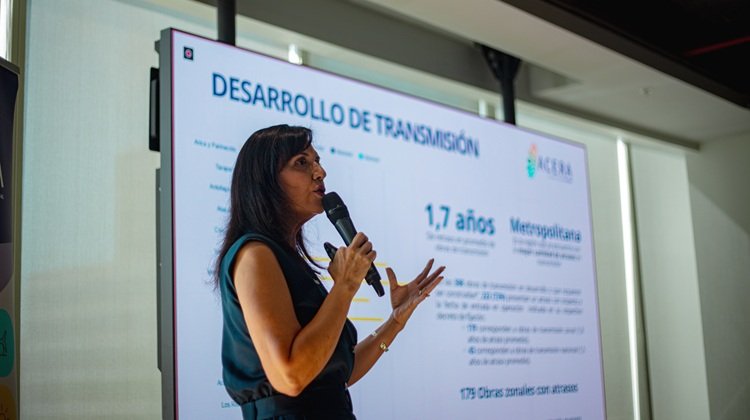
“We foresee the addition of 8 GW of new capacity during 2026 and a further 1,490 MW in 2027, considering projects that already have construction declarations, as well as those committed under regulated power purchase agreements,” said Ana Lía Rojas, Executive Director of ACERA.
“Of that total pipeline, 95% corresponds to renewable generation and energy storage. That said, around **3 GW scheduled for 2026–2027 has already announced delays to its execution timeline,” she added.
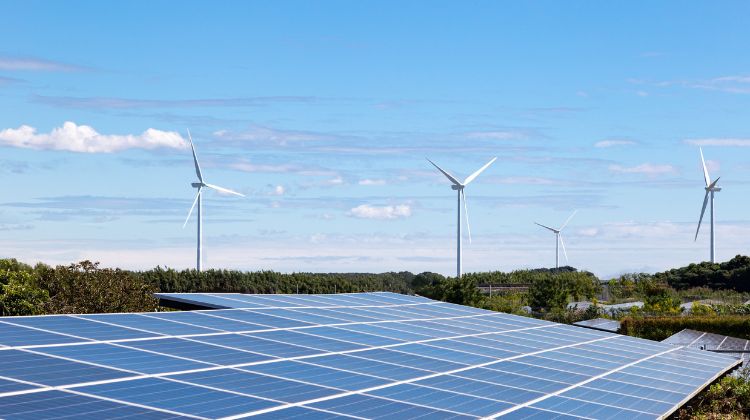
Despite these delays, the outlook confirms the continued consolidation of renewables within Chile’s electricity mix, with solar PV and wind power steadily displacing fossil fuel-based generation.
By 2025, Chile’s power system had reached 38.6 GW of installed capacity, with nearly 50% coming from non-conventional renewables, alongside 31% thermal generation and 17.8% conventional hydropower.
One of the key milestones of 2025 was wind power becoming the country’s second-largest generation source by installed capacity, reaching 15.5% (almost 6 GW) and overtaking natural gas. Solar PV remains the leading technology, accounting for 30.4% of operational capacity, or 11.7 GW.
This expansion has been underpinned by record investment levels, concentrated in solar, wind and storage projects, with a growing share of hybrid developments. In parallel, 6,714 MW of projects are formally registered as under construction with the National Energy Commission of Chile, the majority linked to clean generation and energy storage.

Battery energy storage has become a critical tool for managing system constraints. Chile currently has around 9 GW of BESS projects in operation, under construction or in testing, plus an additional 27 GW at different stages of development.
Chile’s BESS pipeline at a glance
| Project status | Capacity | Average duration |
|---|---|---|
| In operation (28 projects) | 1.6 GW | 4.1 hours |
| In testing (6 projects) | 0.7 GW | 3.6 hours |
| Under construction (68 projects) | 6.8 GW | 4.4 hours |
| Environmentally approved | 14 GW | – |
| Under environmental assessment | 13 GW | – |
“We are optimistic about what storage will deliver going forward,” said Sergio Del Campo, President of ACERA. “We expect better system performance, reduced congestion, lower internal costs, and ultimately a more competitive power generation sector with better prices for end consumers.”

However, renewable energy curtailment continues to threaten system efficiency. In 2025, curtailed energy reached 6 TWh per year, an 8% increase compared to 2024. These losses are equivalent to the annual electricity consumption of around 2.3 million households, largely affecting solar and wind generation in northern Chile.
“Even with storage entering the system, curtailment increased. But without BESS, the volumes would have been significantly higher,” the association stressed.
The evolution of Chile’s power market is also reflected in the gradual entry of clean technologies into ancillary services, including primary, secondary and tertiary frequency control. During 2025, solar, wind and storage assets began contributing to these mechanisms.
“We are seeing an evolution in the ancillary services market, but it still needs refinement,” Rojas explained. She warned that the current design does not yet provide strong enough economic signals to encourage broader participation, partly because volumes remain limited. “Primary frequency control, for example, only mobilises 250–300 MW,” she noted.
According to ACERA, the challenge is no longer technological. “For storage systems, this is no longer a technology issue,” Rojas said. Instead, Chile requires regulatory frameworks that properly capture the value of storage, recognising its contribution to system security, flexibility and energy delivery.
Chile’s decarbonisation process also continues to move forward. In 2025, two coal-fired power plants (334 MW) were retired, and the repurposing of 347 MW in Mejillones began. By 2026, the shutdown of three additional coal units totalling nearly 1 GW is expected, subject to system security conditions.
“The remaining coal capacity scheduled for closure by 2040 may seem distant, but we believe this discussion will accelerate,” Rojas anticipated.
Overall, Chile is navigating a complex energy transition marked by operational and regulatory challenges. Yet, according to ACERA, the direction is clear: almost everything that lies ahead for Chile’s power system will be renewable generation or energy storage.