










Electricity generation from solar PV and wind power reached a record level in 2025, marking their highest participation to date in Chile’s National Electric System. The milestone further consolidates variable renewable energy as a central pillar of the country’s power mix.
According to operational data published by the Coordinador Eléctrico Nacional (CNE), solar and wind technologies accounted for nearly 38% of total electricity injected into the grid over the year. When combined with other renewable sources, such as hydropower, renewables supplied close to two thirds of Chile’s total electricity demand.
This outcome reflects both the sustained expansion of installed renewable capacity and significant improvements in system operation and coordination. These advances have enabled the integration of increasing volumes of variable generation while maintaining grid security and supply continuity. During some hours of the year, solar and wind generation covered up to 79% of total electricity demand.
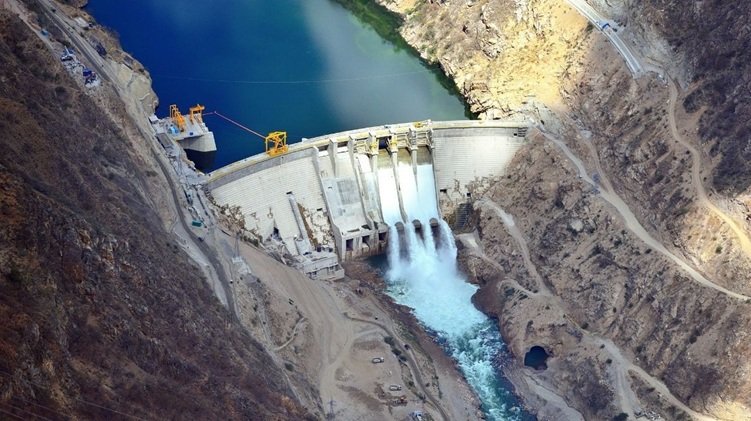
Operational statistics for the National Electric System show that hydropower generation fell by 23.0% in 2025, as the year ranks among the five driest on record in Chile. In contrast, coal-fired power generation increased by 14.5%, while natural gas generation rose by 6.5%, reflecting the need for thermal backup during periods of lower hydro availability.
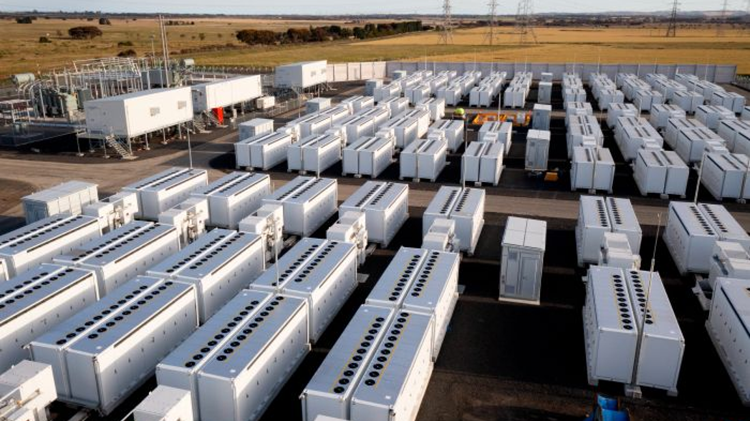
The year was also defined by the rapid incorporation of battery energy storage systems (BESS), which now represent around 2 TWh of stored electricity — more than four times the total electricity generated by diesel-fired plants over the same period.
Chile currently has approximately 1,700 MW of storage capacity already installed, with an additional 600 MW undergoing testing. Looking ahead, a further 4,500 MW of battery projects are under construction and could enter operation during 2026, significantly enhancing system flexibility and grid integration of renewables.
By November 2025, new generation capacity additions totalled 3,182 MW, making 2025 the year with the highest level of new generation entering the system since 2021. A substantial share of this capacity corresponds to energy storage projects rather than conventional generation.
In early 2026, around 700 MW of coal-fired capacity will be withdrawn from the northern zone of the National Electric System. This includes the Mejillones 1 and 2 thermal power plants, as well as Infraestructura Eléctrica Mejillones (IEM), which will begin its conversion to natural gas. The retirements represent another milestone in Chile’s energy transition and further increase the need for a more flexible and strictly regulated system operation.
The Coordinador Eléctrico Nacional noted that these structural changes pose significant operational challenges, particularly in balancing generation and demand, ensuring system adequacy, and managing variability. At the same time, they create opportunities to deepen the deployment of complementary solutions such as energy storage, demand-side management, distributed energy resources and grid expansion.
“The record participation of solar and wind energy in 2025 shows that Chile’s power system is moving steadily towards a renewable electricity matrix, but one that is also more demanding from an operational standpoint. Our role is to ensure that this transition takes place while maintaining high standards of security and quality of supply for all users,” said Juan Carlos Olmedo, Chairman of the Board of the Coordinador Eléctrico Nacional.
Despite the severe drought conditions, total system operating costs remained at around USD 1.6 billion in 2025, broadly in line with 2024 levels.
In parallel, the system operator awarded several new transmission projects during the year, with estimated investment commitments of USD 120 million for new infrastructure, in addition to funding allocated for grid expansions. These investments are expected to play a critical role in supporting further growth in renewable energy, energy storage and grid resilience across Chile.