
A review of power and energy procurement costs for October–December 2025 resulted in minor adjustments, maintaining tariff stability for regulated consumers between 1 February and 30 April 2026.
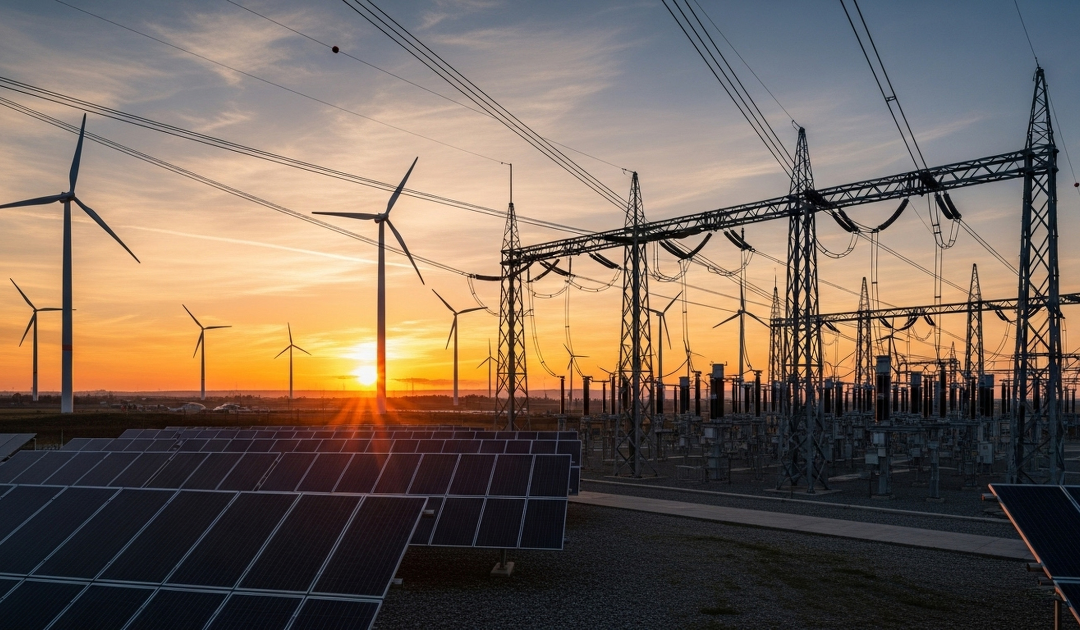


A review of power and energy procurement costs for October–December 2025 resulted in minor adjustments, maintaining tariff stability for regulated consumers between 1 February and 30 April 2026.
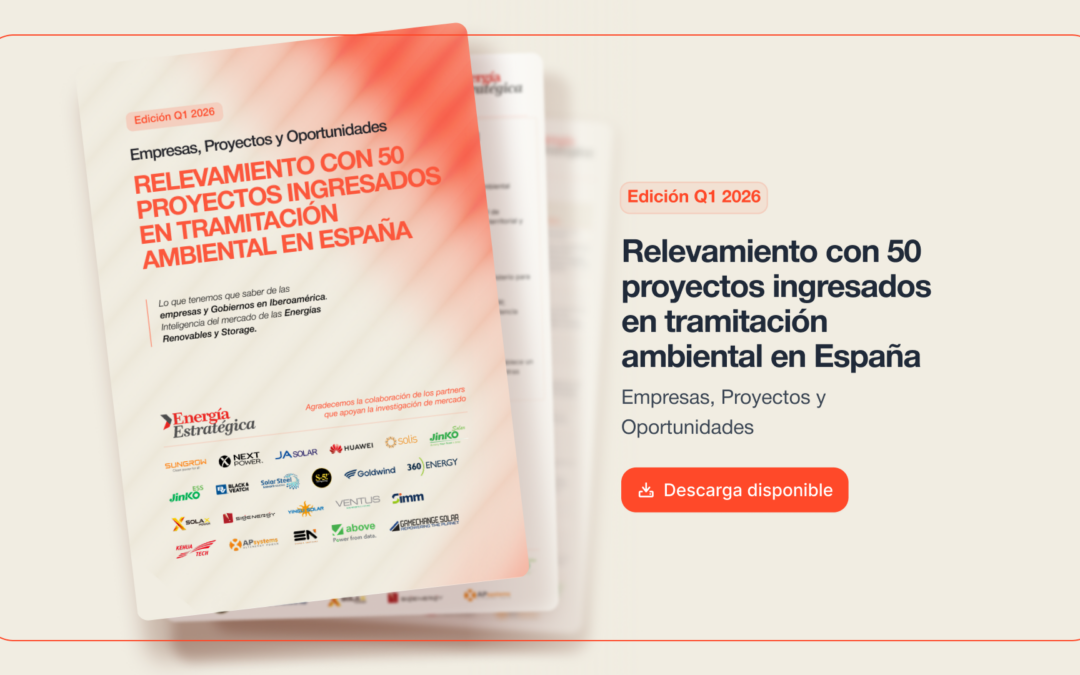
An Energía Estratégica report identifies more than 3 GW of solar, wind and battery storage projects in Spain, highlighting investment opportunities amid regulatory and grid constraints.
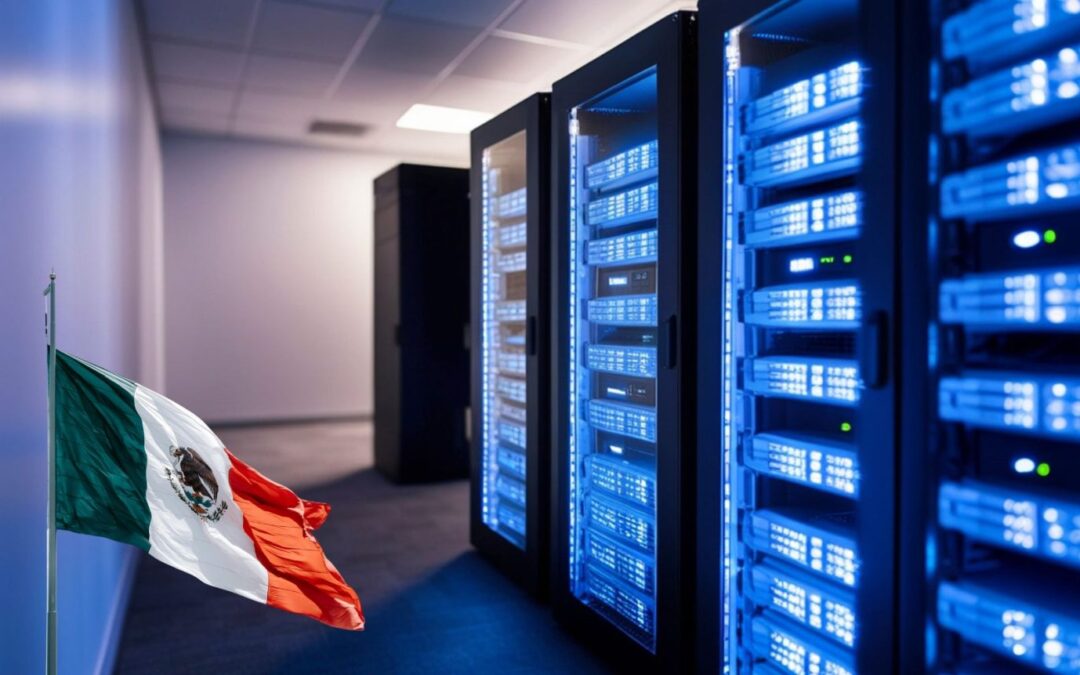
The rapid expansion of cloud computing and artificial intelligence is pushing Mexico to strengthen its power grids and secure clean electricity to supply critical digital infrastructure. As global tech giants and regional operators move in, the country’s energy priorities are being reshaped.
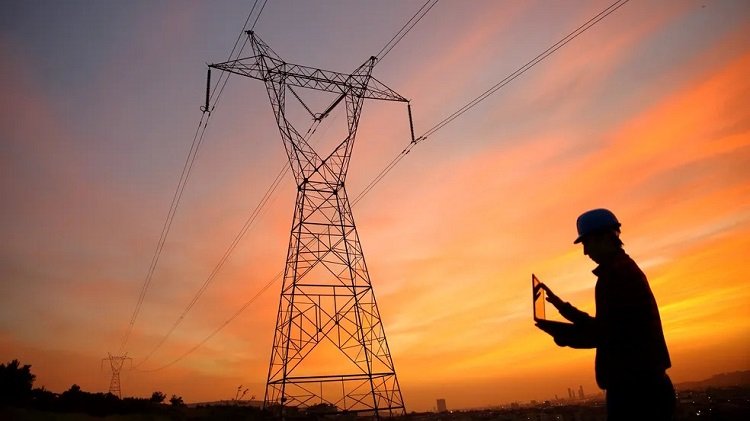
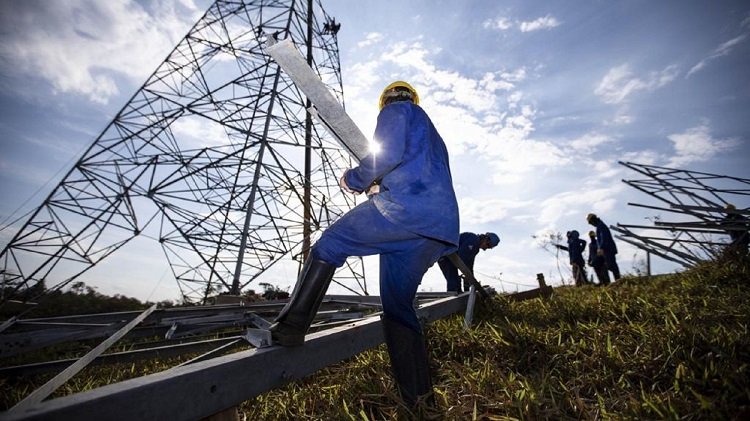
The approval of the POTEE 2025 plan will unlock around BRL 1 billion in investments in transmission infrastructure over the next four years, strengthening the reliability of Brazil’s national grid.
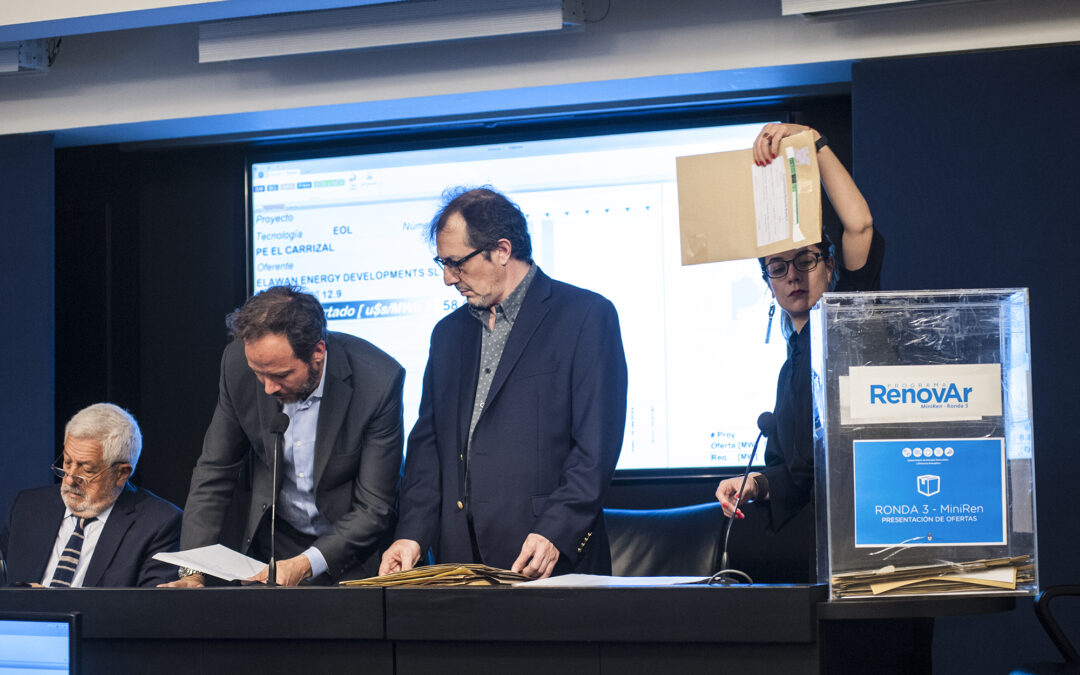
Between regulated public schemes and private power purchase agreements, prices show a wide range. Recent awards stand at USD 60–70/MWh, but new rules and operational constraints will shape the pace of development and point to a market facing growing competition from other generation sources.
Panama adjusts long-term contracts to attract renewables, Costa Rica redefines its regulation in an election year, and the Dominican Republic sets the regional pace with competitive auctions and new battery rules. In all cases, capital demands one thing: certainty.
Renewable energy covered more than 40% of national electricity demand in 2025, driven by hydro, wind and solar power, according to official market data.
The country formalises distributed generation with a regulation that strengthens technical standards, mandates digital traceability and guarantees full remuneration for renewable energy exports. Distribution utilities must comply within 30 days.
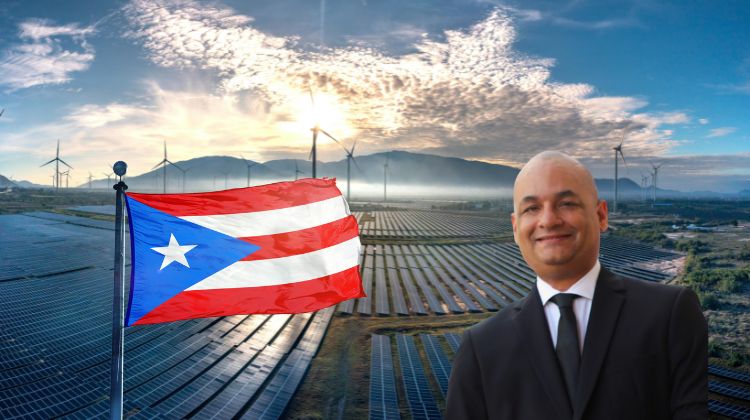
After more than a decade of setbacks, large-scale solar and energy storage projects set to come online in 2026 could finally push Puerto Rico beyond 20% renewable generation. Meanwhile, over 10% of electricity customers already produce their own power, largely backed by batteries.

The Spanish power system has earmarked 386 grid connection nodes for competitive access tenders and Just Transition zones, blocking more than 165 GW for new generation and energy storage projects. Catalonia, Andalusia and Castile and León lead in reserved capacity, while 1.7 GW has been allocated to self-consumption.
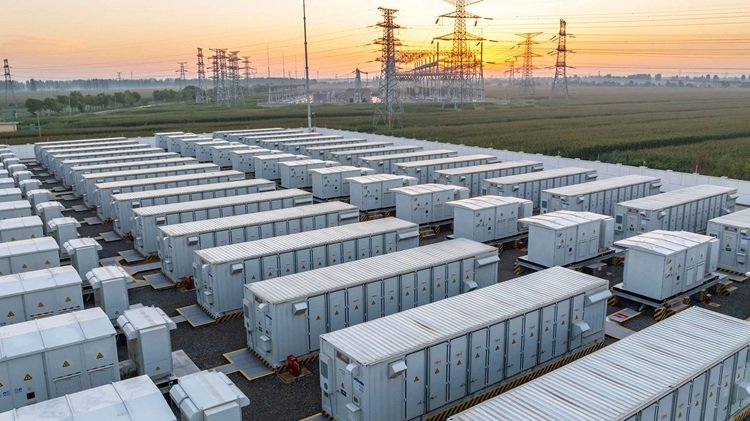
The government has unveiled its Electricity Transmission System Expansion Plan 2026–2050, which for the first time includes battery energy storage systems (BESS) as a grid-stabilisation solution. While the renewables sector welcomes the move, it warns that without retail market liberalisation and citizen participation, the energy transition will remain incomplete.
Florencia Zanikian, an international trade and business consultant, has prepared an analysis on how the entry into force of the European Union’s Carbon Border Adjustment Mechanism (CBAM) is redefining the rules of international trade and creating new challenges for Mercosur, in a context shaped by the recent bi-regional agreement and the growing requirement to incorporate carbon footprint as a key competitiveness variable.
The company has obtained USD 2.65 billion in syndicated bank financing from seven leading international lenders, confirming its capacity to close the transaction on schedule.
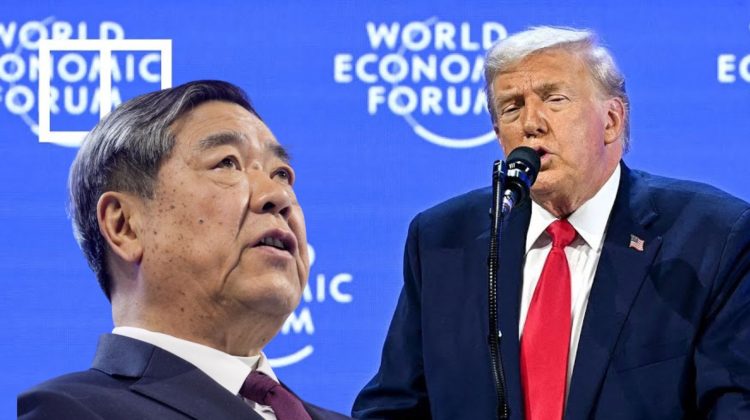
At the 2026 Davos Forum, the U.S. president slammed countries buying Chinese wind turbines, while Beijing defended its global renewable leadership. As Europe doubles down on clean energy, a U.S. court decision revives the landmark Empire Wind offshore project.

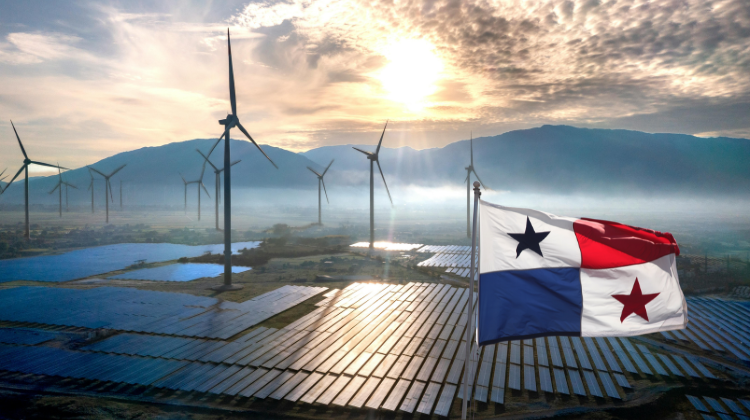
Hydropower remains the backbone of Panama’s electricity system, while private developers dominate installed capacity. With renewable auctions planned from 2026 and power purchase agreements (PPAs) of up to 20 years, the country is reinforcing a long-term, investor-friendly strategy.
Galicia, Andalusia and the Valencian Community are updating their legal frameworks to prioritise energy storage—particularly when hybridised with renewables—while awarding more than €44 million in public support.
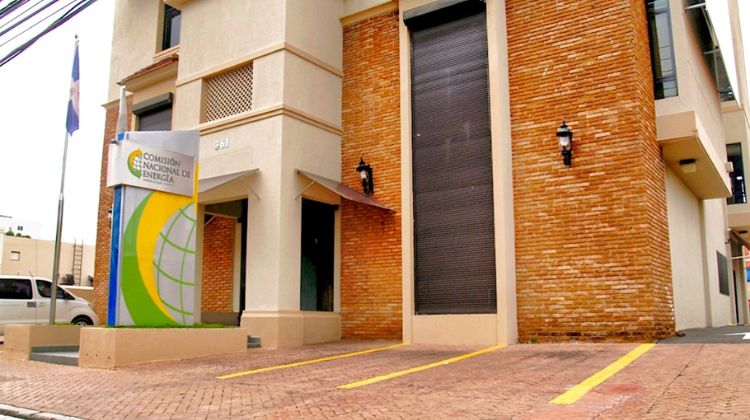
The recommendations were submitted to the National Energy Commission for review and aim to strengthen the electricity system in line with the country’s energy transition.
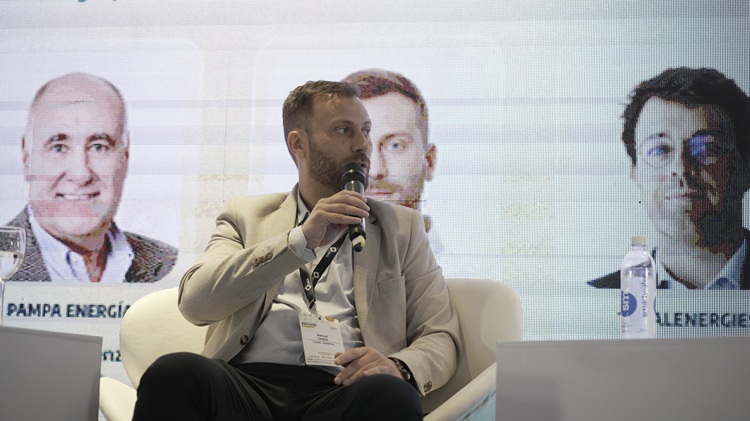
The third edition of FES in Buenos Aires will take place over two full days, on 4–5 March, bringing together sector leaders to analyse new contractual frameworks, investment opportunities and the technological challenges shaping the future of Argentina’s power system.
With all national regulatory steps completed, Spain’s capacity market now hinges on approval from the European Commission. While parts of the industry believe the first auction could still take place this year or in early 2026, others warn it may slip to 2027 due to operational and regulatory timelines.
Bogotá has suspended electricity exports to Ecuador in response to a 30% tariff imposed by Quito on Colombian power imports, escalating a dispute that is putting bilateral energy integration agreements under strain.
The National Energy Commission has opened a public consultation on new technical and administrative manuals that will reshape how renewable energy concessions are structured and approved, raising the bar for developers.
A review of power and energy procurement costs for October–December 2025 resulted in minor adjustments, maintaining tariff stability for regulated consumers between 1 February and 30 April 2026.
An Energía Estratégica report identifies more than 3 GW of solar, wind and battery storage projects in Spain, highlighting investment opportunities amid regulatory and grid constraints.
The rapid expansion of cloud computing and artificial intelligence is pushing Mexico to strengthen its power grids and secure clean electricity to supply critical digital infrastructure. As global tech giants and regional operators move in, the country’s energy priorities are being reshaped.
The approval of the POTEE 2025 plan will unlock around BRL 1 billion in investments in transmission infrastructure over the next four years, strengthening the reliability of Brazil’s national grid.
Between regulated public schemes and private power purchase agreements, prices show a wide range. Recent awards stand at USD 60–70/MWh, but new rules and operational constraints will shape the pace of development and point to a market facing growing competition from other generation sources.
Panama adjusts long-term contracts to attract renewables, Costa Rica redefines its regulation in an election year, and the Dominican Republic sets the regional pace with competitive auctions and new battery rules. In all cases, capital demands one thing: certainty.
Renewable energy covered more than 40% of national electricity demand in 2025, driven by hydro, wind and solar power, according to official market data.
The country formalises distributed generation with a regulation that strengthens technical standards, mandates digital traceability and guarantees full remuneration for renewable energy exports. Distribution utilities must comply within 30 days.
After more than a decade of setbacks, large-scale solar and energy storage projects set to come online in 2026 could finally push Puerto Rico beyond 20% renewable generation. Meanwhile, over 10% of electricity customers already produce their own power, largely backed by batteries.

The Spanish power system has earmarked 386 grid connection nodes for competitive access tenders and Just Transition zones, blocking more than 165 GW for new generation and energy storage projects. Catalonia, Andalusia and Castile and León lead in reserved capacity, while 1.7 GW has been allocated to self-consumption.

The government has unveiled its Electricity Transmission System Expansion Plan 2026–2050, which for the first time includes battery energy storage systems (BESS) as a grid-stabilisation solution. While the renewables sector welcomes the move, it warns that without retail market liberalisation and citizen participation, the energy transition will remain incomplete.
Florencia Zanikian, an international trade and business consultant, has prepared an analysis on how the entry into force of the European Union’s Carbon Border Adjustment Mechanism (CBAM) is redefining the rules of international trade and creating new challenges for Mercosur, in a context shaped by the recent bi-regional agreement and the growing requirement to incorporate carbon footprint as a key competitiveness variable.
The company has obtained USD 2.65 billion in syndicated bank financing from seven leading international lenders, confirming its capacity to close the transaction on schedule.
At the 2026 Davos Forum, the U.S. president slammed countries buying Chinese wind turbines, while Beijing defended its global renewable leadership. As Europe doubles down on clean energy, a U.S. court decision revives the landmark Empire Wind offshore project.
Hydropower remains the backbone of Panama’s electricity system, while private developers dominate installed capacity. With renewable auctions planned from 2026 and power purchase agreements (PPAs) of up to 20 years, the country is reinforcing a long-term, investor-friendly strategy.
Galicia, Andalusia and the Valencian Community are updating their legal frameworks to prioritise energy storage—particularly when hybridised with renewables—while awarding more than €44 million in public support.
The recommendations were submitted to the National Energy Commission for review and aim to strengthen the electricity system in line with the country’s energy transition.
The third edition of FES in Buenos Aires will take place over two full days, on 4–5 March, bringing together sector leaders to analyse new contractual frameworks, investment opportunities and the technological challenges shaping the future of Argentina’s power system.
With all national regulatory steps completed, Spain’s capacity market now hinges on approval from the European Commission. While parts of the industry believe the first auction could still take place this year or in early 2026, others warn it may slip to 2027 due to operational and regulatory timelines.
Bogotá has suspended electricity exports to Ecuador in response to a 30% tariff imposed by Quito on Colombian power imports, escalating a dispute that is putting bilateral energy integration agreements under strain.
The National Energy Commission has opened a public consultation on new technical and administrative manuals that will reshape how renewable energy concessions are structured and approved, raising the bar for developers.

Select the sector you
want to know more about
A growing renewable energy developer is advancing 17 projects and targets 250 MW in operation by 2026. After securing capacity in the AlmaGBA auction, the company is positioning battery energy storage systems (BESS) as a central pillar for future growth in the Argentine power market.
A pipeline incident affecting the Camisea gas system triggered emergency measures and forced greater use of liquid fuels in power generation. The episode is reviving debate over renewable energy expansion, battery storage and grid resilience.
Developers are accelerating module purchases before a fiscal shift in China removes VAT rebates. The trend is reshaping the global solar PV market and opening new opportunities in Argentina, particularly for energy storage and distributed generation.